In the realm of industrial automation and control systems, proximity sensors stand as fundamental components for non-contact object detection. These devices, often referred to as proximity switches or detection sensors, are engineered to sense the presence or absence of an object within a specified range without any physical contact. Their operation hinges on the generation of an electromagnetic field or a beam of radiation, and the detection of changes within that field caused by a target object. This principle allows for reliable, wear-free operation in harsh industrial environments where mechanical limit switches would fail prematurely.
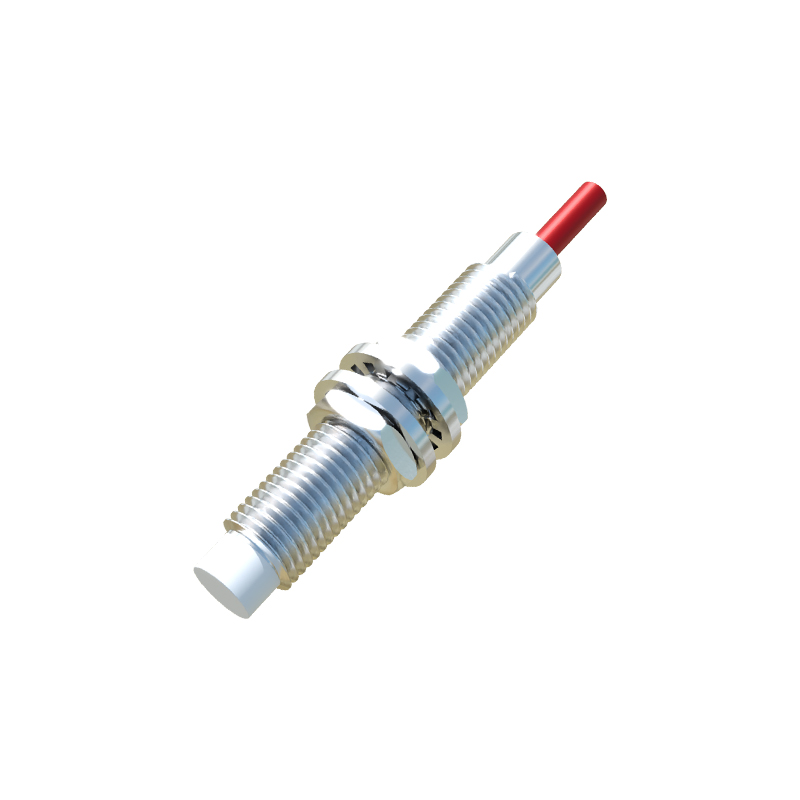
The core working principle varies significantly based on the sensor technology. The most prevalent types include inductive, capacitive, ultrasonic, and photoelectric sensors. Inductive proximity sensors are the workhorses for detecting metallic objects. They generate an oscillating electromagnetic field from a coil. When a ferrous or non-ferrous metal enters this field, it induces eddy currents, which dampen the oscillation. The sensor's internal circuit detects this damping and triggers a solid-state switch. These sensors are exceptionally robust, immune to dust, oil, and moisture, making them ideal for metal machining, robotic end-effectors, and conveyor line counting.
Capacitive proximity sensors, in contrast, can detect both metallic and non-metallic materials, including liquids, plastics, wood, and granules. They function by generating an electrostatic field. Any object with a dielectric constant different from air enters the sensing zone, it alters the capacitance of the system, which is detected and converted into a switching signal. This versatility makes them perfect for level detection in tanks (liquid or granular), material handling of non-metals, and even detecting filled vs. empty bottles on a production line.
Photoelectric sensors operate on a different paradigm, using a light beam—typically infrared, visible red, or laser. The three main configurations are through-beam, retro-reflective, and diffuse. Through-beam models have separate emitter and receiver units; an object is detected when it interrupts the beam. This offers the longest sensing ranges and high reliability. Retro-reflective types use a single housing with both emitter and receiver, relying on a reflector to bounce the beam back; detection occurs when the beam is blocked. Diffuse sensors rely on the target object itself to reflect the emitted light back to the receiver, making them simpler to install but with shorter ranges and potential sensitivity to object color and surface texture. Photoelectric sensors are indispensable for precise positioning, small part detection, and transparent object sensing.
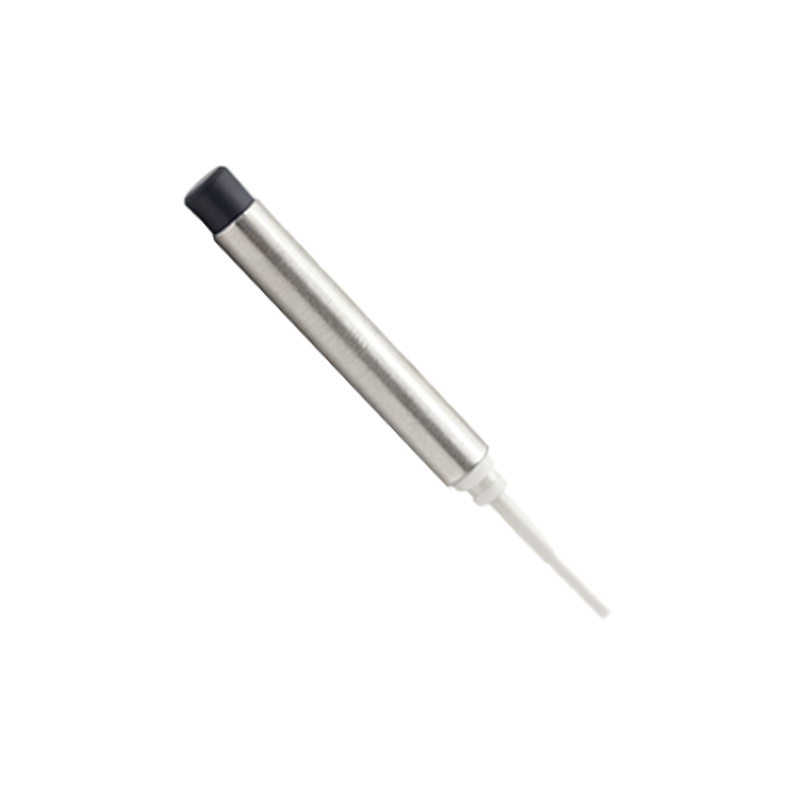
Ultrasonic sensors emit high-frequency sound waves and evaluate the echo reflected back. By measuring the time between emission and reception, they can calculate distance, enabling them not only to detect presence but also to perform precise distance measurement and level monitoring. They are largely unaffected by target material, color, or transparency, working reliably with liquids, solids, and even transparent films, though they can be sensitive to temperature variations and sound-absorbing materials.
Selecting the appropriate proximity sensor requires a careful analysis of the application parameters. Key factors include the target material (metal, plastic, liquid), required sensing distance, environmental conditions (temperature, presence of contaminants like dust or coolant), switching frequency (response speed), output type (PNP/NPN, NO/NC), and electrical requirements. For instance, a high-speed packaging line detecting aluminum lids would likely use a high-frequency inductive sensor, while a silo monitoring grain level would employ a capacitive or ultrasonic sensor.
Installation and configuration are critical for optimal performance. Proper mounting, ensuring the correct sensing distance and avoiding mutual interference between multiple sensors, is paramount. Many modern sensors feature built-in diagnostics via LED indicators and teach-in functions for easy adjustment of sensitivity. Regular maintenance, though minimal, involves keeping the sensing face clean and checking for physical damage or loose wiring.
The evolution of proximity sensors continues with trends towards miniaturization, increased intelligence, and enhanced connectivity. IO-Link enabled sensors can now communicate detailed diagnostic data (like operating hours, temperature, or signal strength) to the control system, enabling predictive maintenance and finer process control. Furthermore, the development of sensors capable of withstanding extreme temperatures, high pressures, and intense washdowns expands their utility in food & beverage and pharmaceutical industries.
In conclusion, proximity detection sensors are the silent sentinels of modern manufacturing. Their ability to provide accurate, non-contact feedback is a cornerstone of automated system efficiency, safety, and reliability. From simple part presence verification to complex positioning and measurement tasks, understanding their principles, types, and application criteria is essential for any engineer designing, maintaining, or optimizing industrial automation systems.