In the realm of modern smartphone technology, proximity sensors stand as unsung heroes, quietly orchestrating critical functions that enhance usability, conserve energy, and prevent accidental inputs. These small yet sophisticated components are integral to the seamless operation of devices, bridging the gap between human interaction and digital responsiveness. Typically employing infrared (IR) light or capacitive sensing principles, proximity sensors detect the presence of nearby objects without physical contact, triggering a cascade of automated responses within the device's software.
One of the most prominent applications is during phone calls. When a user brings the smartphone close to their ear, the proximity sensor immediately recognizes this gesture and commands the display to turn off. This action serves a dual purpose: it prevents unintended screen touches from the cheek or ear that could disrupt the call, and it significantly reduces power consumption by deactivating the energy-intensive display. Once the phone is moved away, the sensor reactivates the screen, allowing for quick access to keypad functions or speakerphone options. This intuitive feature has become a standard expectation, eliminating the frustration of accidental muting or app launches mid-conversation.
Beyond call management, proximity sensors contribute to battery preservation in daily usage. Many devices utilize these sensors to implement "pocket mode" or similar functionalities. When the phone is placed in a dark, confined space like a pocket or bag, the sensor detects the close proximity of surfaces and can automatically lock the screen or disable touch input. This prevents battery drain from unnecessary background processes or inadvertent screen activations. In some implementations, it also avoids unintended emergency calls or notifications, adding a layer of security and convenience.
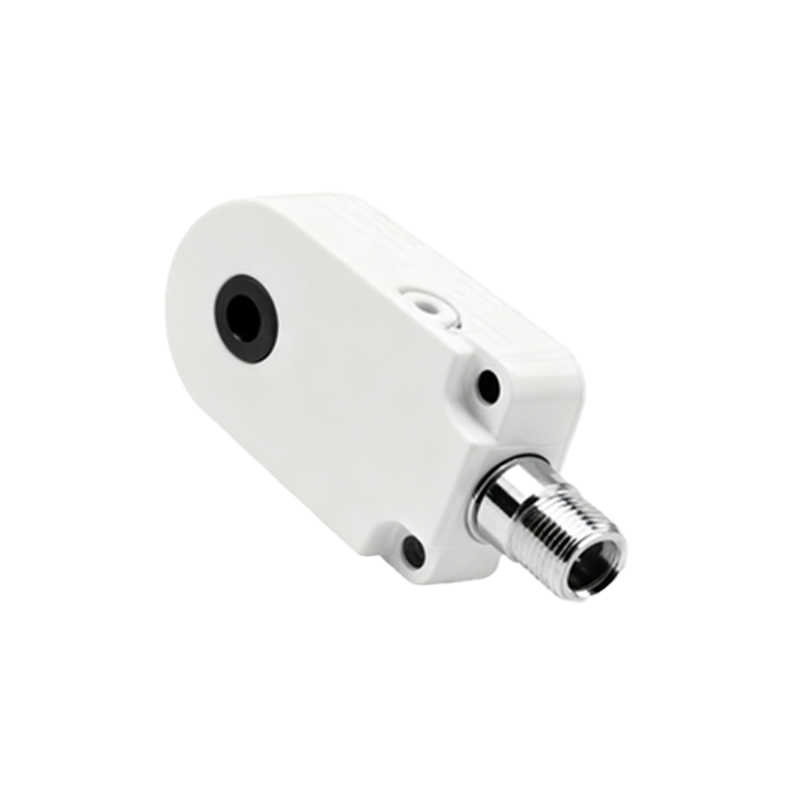
The evolution of sensor technology has further expanded their roles. Advanced proximity sensors now integrate with ambient light sensors to optimize display brightness dynamically. By gauging the distance to the user's face and surrounding light conditions, smartphones can fine-tune brightness levels more accurately, enhancing readability while maximizing battery efficiency. This synergy is particularly useful in adaptive display technologies, where screen color temperature and contrast adjust based on environmental factors.
In the era of bezel-less displays and foldable phones, proximity sensors face new design challenges. Traditional IR-based sensors require dedicated apertures on the front panel, which can clash with minimalist aesthetics. Manufacturers have responded with innovative solutions, such as under-display sensors that operate through microscopic gaps in OLED screens, or time-of-flight (ToF) sensors that offer higher precision and longer detection ranges. These advancements ensure that proximity sensing remains effective even as form factors evolve, maintaining the delicate balance between functionality and design elegance.
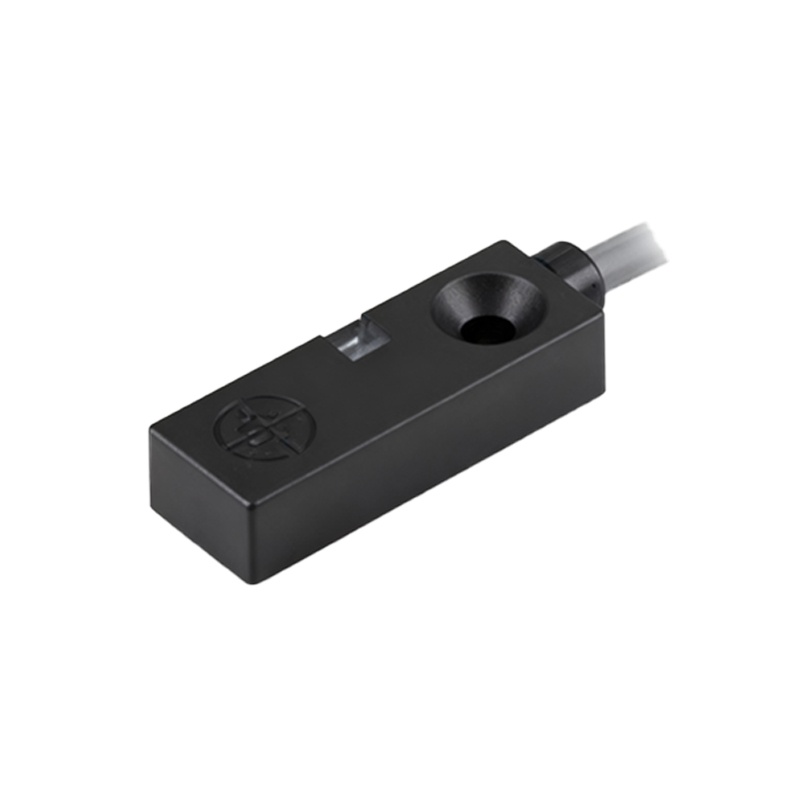
Moreover, proximity sensors play a subtle yet vital role in gaming and augmented reality (AR) applications. In gaming, they can be programmed to act as virtual buttons or triggers when a hand approaches the screen, adding a new dimension to touchless controls. In AR, sensors help devices understand spatial relationships, improving object placement and interaction realism. While these uses are still emerging, they highlight the sensor's potential beyond conventional utilities.
From an engineering perspective, the reliability of proximity sensors hinges on precise calibration and robust algorithms. Factors like varying skin tones, hair, or accessories (e.g., hats or glasses) can affect IR reflection rates, necessitating intelligent software filters to minimize false triggers. Modern sensors incorporate machine learning algorithms to adapt to individual usage patterns, ensuring consistent performance across diverse scenarios. Regular diagnostics via device hardware tests also help maintain sensor accuracy over the phone's lifespan.
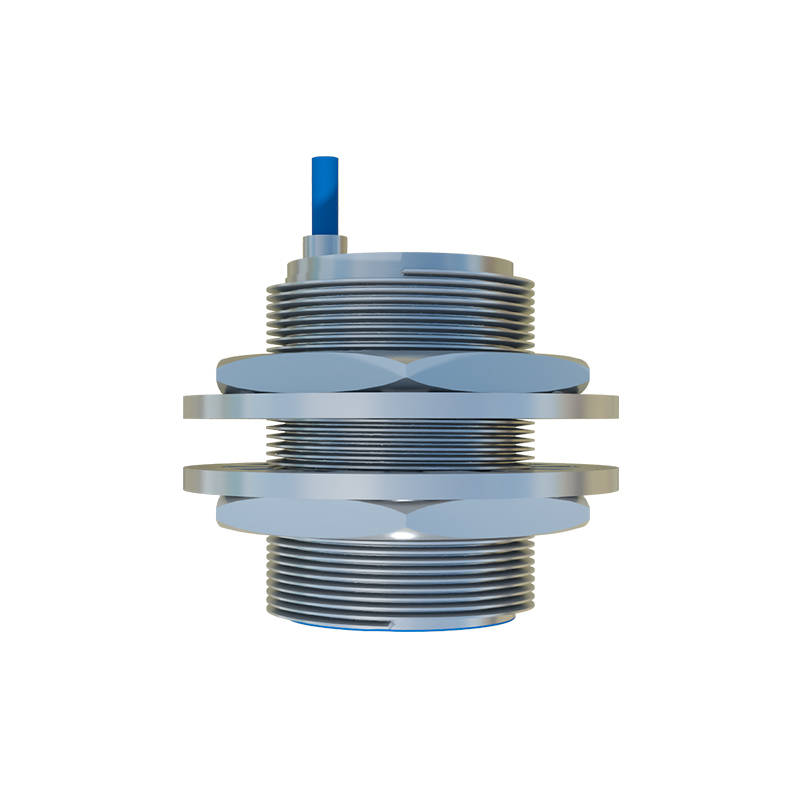
In conclusion, proximity sensors may occupy minimal physical space within a smartphone, but their impact on user experience is profound. By enabling intuitive interactions, safeguarding against errors, and contributing to energy management, these components exemplify how embedded sensing technology drives everyday convenience. As smartphones continue to evolve into more intelligent companions, the role of proximity sensors will likely expand, underpinning future innovations in human-device interfaces with quiet efficiency.