Proximity sensors are critical components in industrial automation, providing non-contact detection of metallic or non-metallic objects. However, a common and frustrating issue faced by engineers and maintenance teams is the frequent burnout of these sensors. Understanding the root causes and implementing preventive measures can significantly reduce downtime and maintenance costs.
One primary cause of proximity sensor failure is electrical overload. This often occurs due to voltage spikes or surges in the power supply. Industrial environments are prone to transient voltages from equipment like motors, solenoids, or welding machines. If the sensor's voltage rating is exceeded, its internal circuitry can overheat and burn out. To mitigate this, ensure the power supply is stable and consider using surge protectors or voltage regulators. Additionally, verify that the sensor's operating voltage matches the supply voltage, including tolerances for fluctuations.
Another frequent issue is excessive current draw. Proximity sensors are designed to handle specific load currents. When connected to loads that exceed their maximum current rating, such as heavy-duty relays or actuators, the sensor's output transistor may overheat. Always check the sensor’s datasheet for its maximum load capacity and use external relays or contactors for high-current applications. Overcurrent protection devices, like fuses or circuit breakers, can also prevent damage.
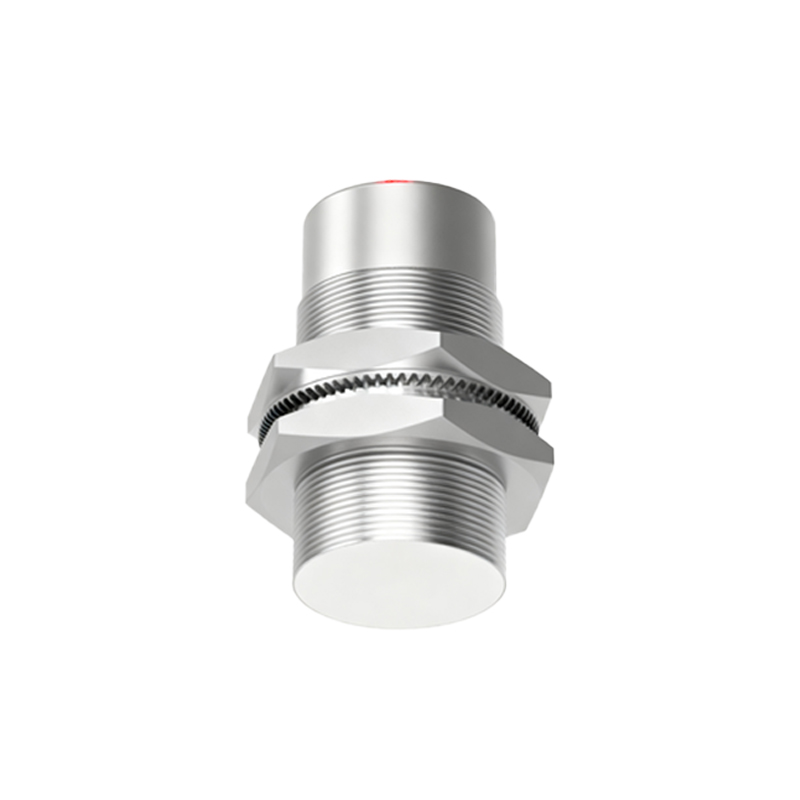
Environmental factors play a significant role in sensor longevity. Exposure to high temperatures, moisture, chemicals, or metallic dust can degrade sensor components. For instance, conductive dust can cause short circuits, while corrosive substances may erode the sensor housing. Select sensors with appropriate IP (Ingress Protection) ratings for the operating environment. For harsh conditions, choose models rated for high temperatures, sealed against moisture, or made from chemically resistant materials. Regular cleaning and inspection can further extend sensor life.
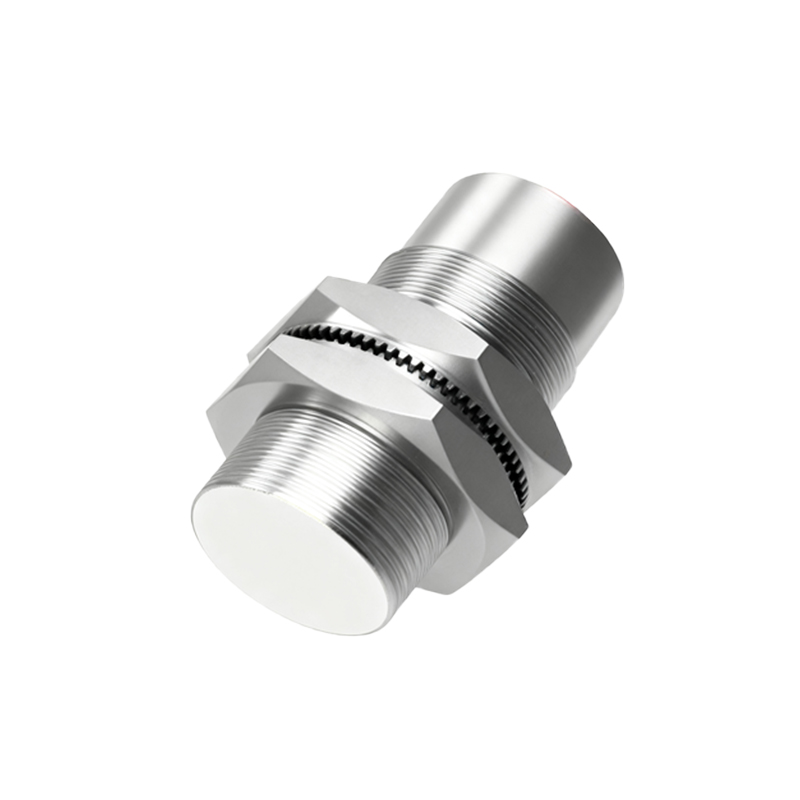
Improper wiring is a common but overlooked cause of burnout. Incorrect connections, such as reverse polarity or short circuits, can instantly damage the sensor. Always follow the manufacturer’s wiring diagram. Use shielded cables to reduce electromagnetic interference (EMI), which can induce unwanted currents. Ensure connections are tight and insulated to prevent arcing or ground faults. In DC systems, pay attention to the correct polarity of the power supply and load connections.
Load compatibility issues also contribute to failures. Inductive loads, like coils or motors, generate back electromotive force (EMF) when switched off, causing voltage spikes that can damage the sensor’s output. For inductive loads, use protective components such as flyback diodes, varistors, or RC snubber circuits across the load. Similarly, capacitive loads can cause inrush currents that exceed the sensor’s switching capacity. Consult the sensor’s specifications for recommended load types and incorporate suppression devices as needed.
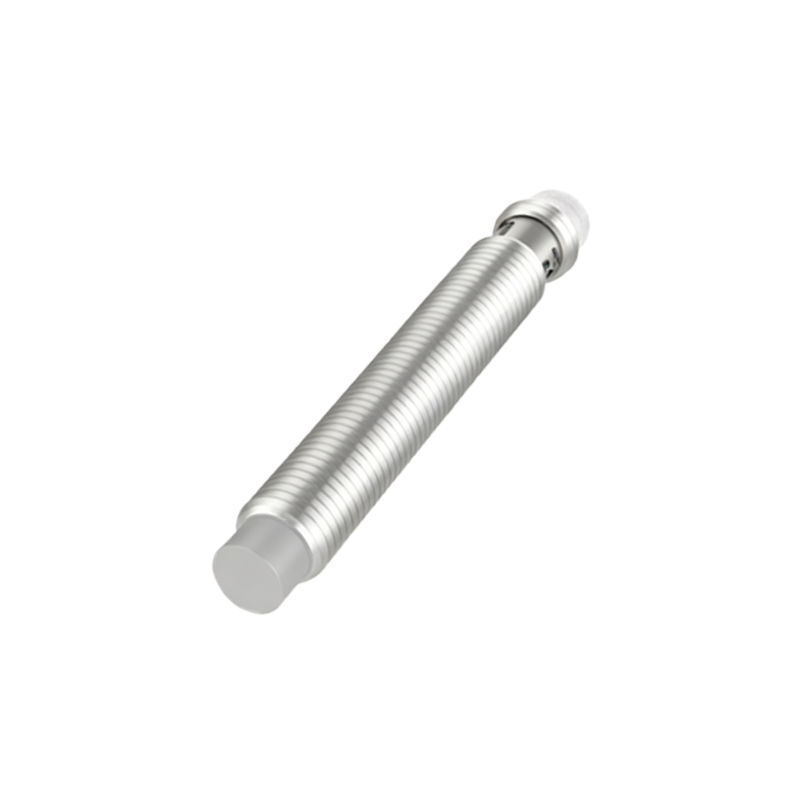
Inadequate mounting and mechanical stress can lead to internal damage. Sensors mounted too close to metal surfaces may experience false triggering or overheating due to eddy currents. Maintain the recommended sensing distance and avoid metallic debris in the detection area. Vibration or physical impact can loosen connections or crack circuit boards. Use robust mounting brackets and ensure sensors are installed in locations with minimal vibration.
Finally, sensor selection is crucial. Using a sensor not suited for the application—such as selecting an inductive sensor for non-metallic objects—can cause continuous operation failure. Understand the detection requirements (e.g., material type, sensing range) and choose sensors accordingly. Regular maintenance, including periodic testing and calibration, helps identify issues before they lead to burnout.
In summary, proximity sensor burnout is often preventable through proper selection, installation, and protection. By addressing electrical, environmental, and mechanical factors, engineers can enhance reliability and optimize industrial processes.