In the realm of industrial automation and control systems, proximity sensors and switches are indispensable components that enable non-contact detection of objects. These devices play a critical role in enhancing efficiency, safety, and reliability across various sectors, including manufacturing, automotive, packaging, and material handling. This comprehensive guide delves into the fundamental principles, primary types, key specifications, selection criteria, and best practices for implementing proximity sensing solutions.
At its core, a proximity sensor is a device that detects the presence or absence of an object within a specified range without any physical contact. It operates by emitting an electromagnetic field, beam, or ultrasonic waves and then monitoring for changes in the return signal or field. When a target object enters the sensing range, it alters the field or reflects the signal back to the sensor, triggering an output switch. This non-contact nature eliminates mechanical wear, reduces maintenance needs, and allows for high-speed operation, making these sensors superior to traditional mechanical limit switches in many applications.
The market offers several main types of proximity sensors, each based on different detection technologies suited for specific materials and environmental conditions.
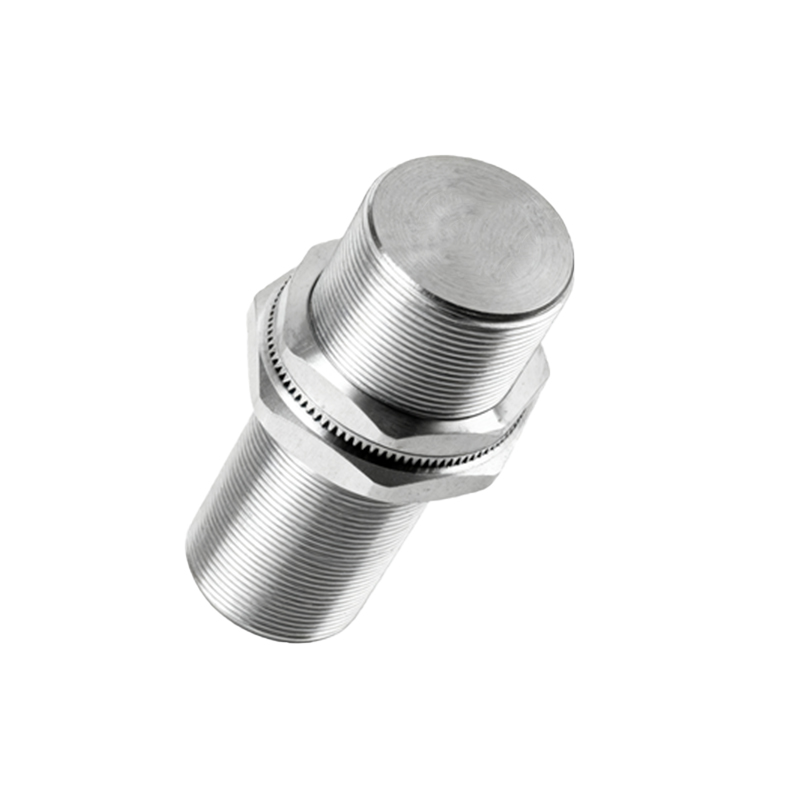
Inductive Proximity Sensors are among the most common. They generate an oscillating electromagnetic field and detect the eddy current losses induced when a conductive metal target enters this field. These sensors are ideal for detecting ferrous and non-ferrous metals but are ineffective for non-metallic materials. They are renowned for their robustness, high switching frequency, and resistance to harsh industrial environments involving dirt, oil, and coolants.

Capacitive Proximity Sensors can detect both metallic and non-metallic materials, such as liquids, plastics, glass, and wood. They function by measuring changes in capacitance between the sensor's electrode and the ground. When an object enters the sensing field, it alters the dielectric constant, leading to a detectable change in capacitance. This makes them versatile for applications like level detection of liquids or granular materials, though they can be more susceptible to environmental factors like humidity.
Ultrasonic Proximity Sensors use high-frequency sound waves to measure the time taken for an echo to return after hitting a target. They are effective for detecting objects of virtually any material, shape, or color, and are excellent for measuring distance or presence over longer ranges. Common applications include pallet detection, loop control, and liquid level monitoring in tanks. However, their performance can be affected by temperature variations, air turbulence, and the object's sound-absorbing properties.
Photoelectric Sensors, while sometimes categorized separately, function as proximity devices. They consist of a light emitter (usually LED) and a receiver. The presence of an object is detected by either the interruption of a light beam (through-beam), reflection from the object (retro-reflective), or diffusion of light off the object's surface (diffuse). They offer very long sensing ranges and can detect small objects, but their performance may be influenced by ambient light, color, and surface finish of the target.
Magnetic Proximity Switches, or reed switches, are activated by the presence of a permanent magnet. They are simple, cost-effective, and often used in safety applications like door position sensing or in conjunction with pneumatic cylinders.
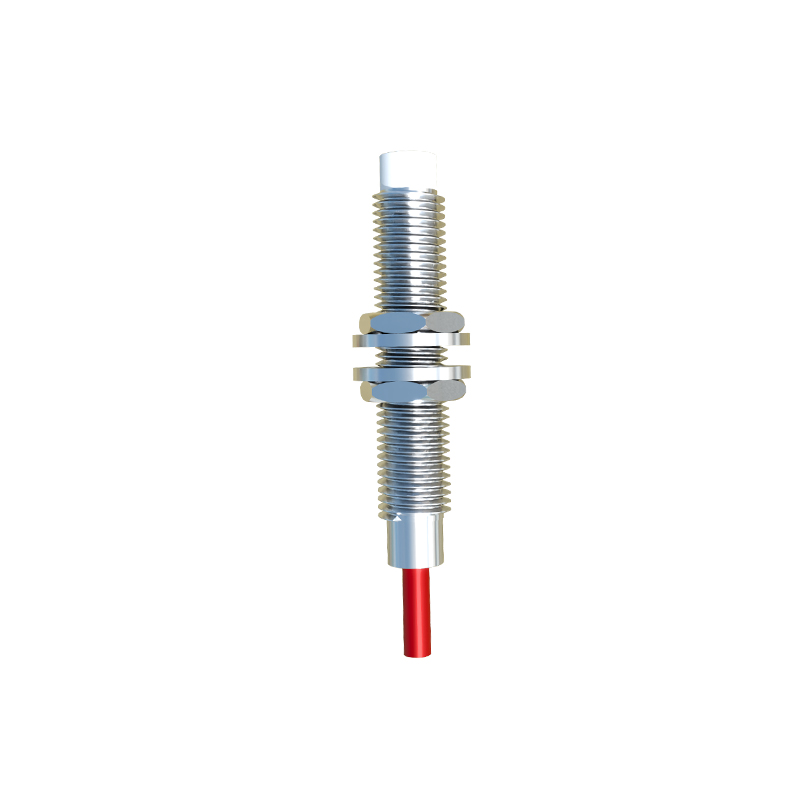
Selecting the right proximity sensor requires careful consideration of several key parameters. The sensing range, or the maximum distance at which the sensor can reliably detect a standard target, is paramount. The target material, size, and shape directly influence this range. The sensor's output configuration—typically NPN (sinking) or PNP (sourcing) transistor outputs, or sometimes analog outputs—must be compatible with the control system (PLC, relay). The housing material (often nickel-plated brass, stainless steel, or PBT plastic) must withstand the environmental conditions, including exposure to chemicals, temperature extremes, and physical impacts. Other factors include the switching frequency, repeat accuracy, mounting style (flush, non-flush, threaded barrel), and electrical requirements (voltage, current).
Proper installation and wiring are crucial for optimal performance. Ensuring a stable power supply, correct polarity, and adequate shielding from electrical noise (especially for inductive and capacitive sensors) is essential. For inductive sensors, maintaining the correct mounting distance from metal surroundings prevents false triggering. Regular maintenance, though minimal, involves keeping the sensing face clean and free from debris or buildup that could attenuate the signal.
In conclusion, proximity sensors and switches are vital enablers of modern industrial automation. Understanding their operating principles, varieties, and application nuances allows engineers and technicians to design more efficient, reliable, and intelligent systems. From simple object counting on a conveyor to complex robotic positioning, the correct implementation of these devices forms the backbone of precise and contactless control, driving productivity and innovation forward.