Effective installation management of photoelectric proximity sensors is critical for ensuring optimal performance, reliability, and longevity in industrial automation systems. These sensors, which detect the presence, absence, or distance of objects using light beams, are widely employed in manufacturing, packaging, material handling, and safety applications. Proper installation not only maximizes sensor accuracy but also minimizes false triggers, maintenance needs, and system downtime. This article outlines key considerations and best practices for managing photoelectric sensor installations in industrial environments.
The first step in installation management involves thorough pre-installation planning. Engineers must assess the operational environment, including factors such as ambient light, temperature fluctuations, humidity, dust, and potential obstructions. Selecting the appropriate sensor type—diffuse, retro-reflective, or through-beam—is essential based on the application requirements. For instance, through-beam sensors are ideal for long-range detection in clean environments, while diffuse sensors suit shorter ranges where reflectors are impractical. Additionally, verifying compatibility with existing control systems (e.g., PLCs) and power supplies ensures seamless integration. Documentation, including datasheets and layout diagrams, should be reviewed to confirm specifications like sensing range, response time, and output type (e.g., NPN/PNP).
During installation, precise mounting and alignment are paramount. Sensors must be securely fixed using brackets or housings to prevent vibration-induced misalignment, which can lead to erratic readings. For through-beam and retro-reflective types, ensuring the emitter and receiver (or reflector) are perfectly aligned is crucial; even minor deviations can cause signal loss. In diffuse sensor setups, the target object’s reflectivity and color should be tested, as dark or non-reflective surfaces may require sensitivity adjustments. Cable management is another critical aspect: cables should be routed away from moving parts, high-voltage lines, and sources of electromagnetic interference (EMI) to prevent signal degradation or damage. Using shielded cables and proper grounding techniques further enhances noise immunity.
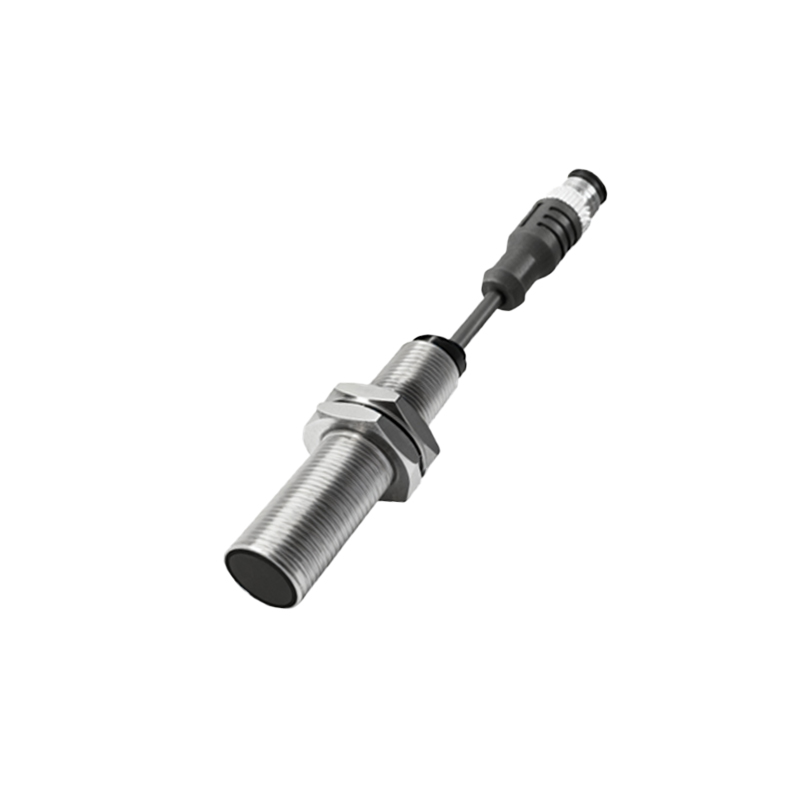
Environmental protection measures cannot be overlooked. Many industrial settings expose sensors to harsh conditions, such as moisture, chemicals, or particulate matter. Installing sensors with adequate IP (Ingress Protection) ratings—e.g., IP67 for dust and water resistance—is recommended for demanding applications. Protective enclosures or mounting guards may be necessary in areas with physical impact risks. Additionally, ambient light interference, especially from high-intensity sources like welding arcs or sunlight, can disrupt sensor operation. Employing sensors with modulated infrared light or polarized filters helps mitigate such issues, ensuring stable detection.
Post-installation testing and calibration are vital for validation. After mounting, conduct functional tests using actual target objects under normal operating conditions. Adjust sensitivity settings to achieve a reliable detection margin, avoiding overly sensitive thresholds that may trigger false positives. For complex setups, such as conveyor systems with multiple sensors, synchronize timing and logic via the control system to prevent conflicts. Regular maintenance schedules should be established, including periodic cleaning of lenses and reflectors, inspection of mounting stability, and verification of electrical connections. Data logging from sensor outputs can aid in predictive maintenance, identifying trends like gradual signal decay before failures occur.
Common pitfalls in photoelectric sensor installation include neglecting environmental factors, poor alignment, and inadequate testing. For example, installing a sensor near a vibrating motor without dampening can lead to premature failure. Similarly, using a diffuse sensor for a glossy target without adjusting for reflectivity may cause inconsistent performance. Training personnel on proper handling and calibration procedures is essential to avoid these issues.
In summary, successful photoelectric proximity sensor installation management hinges on meticulous planning, precise execution, and ongoing maintenance. By adhering to industry standards and leveraging sensor-specific features, engineers can enhance system efficiency, reduce downtime, and extend sensor lifespan. As automation evolves, integrating smart sensors with IoT capabilities for real-time monitoring will further streamline installation management, paving the way for more resilient industrial operations.