In modern industrial automation, proximity switches play a pivotal role in ensuring precise, reliable, and contactless detection of objects. These devices are essential for applications ranging from assembly line positioning to safety interlocks, and their performance is significantly enhanced when integrated with advanced sensor technologies. This article delves into the principles, selection criteria, and implementation strategies for using sensors to control proximity switches, tailored for electrical engineers and automation professionals.
Proximity switches, often referred to as proximity sensors, operate by emitting an electromagnetic field or a beam of radiation (such as infrared or ultrasonic waves) and detecting changes in the field or return signal. Common types include inductive, capacitive, and photoelectric proximity switches, each suited to specific materials and environmental conditions. Inductive switches, for instance, detect metallic objects without physical contact, making them ideal for harsh industrial settings where durability is paramount. Capacitive switches can sense both metallic and non-metallic materials, while photoelectric switches use light beams for long-range detection.
The core of effective proximity switch control lies in sensor integration. Sensors act as the "eyes" of the system, providing real-time data on object presence, distance, speed, or orientation. For example, a Hall effect sensor can be paired with an inductive proximity switch to monitor rotational speed in motors, while ultrasonic sensors enhance accuracy in liquid level control by triggering switches based on distance measurements. This synergy allows for adaptive control systems that respond dynamically to process variations, reducing downtime and improving efficiency.
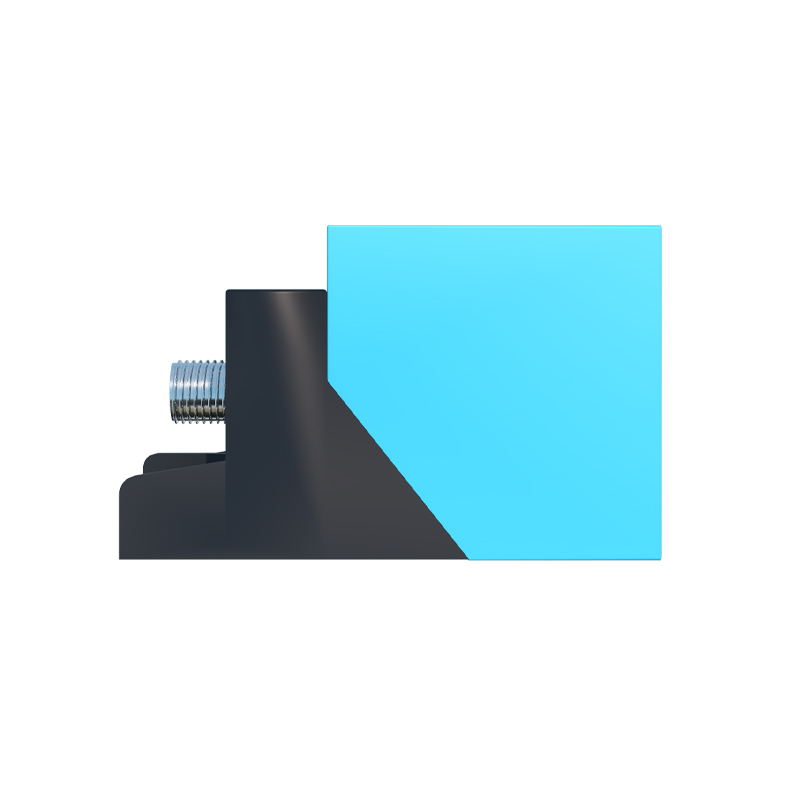
When designing a sensor-controlled proximity switch system, several technical factors must be considered. First, the sensing range and response time are critical; a mismatch can lead to false triggers or missed detections. Engineers should select sensors with appropriate ranges (e.g., short-range for precise positioning or long-range for large-scale monitoring) and fast response times to keep pace with high-speed automation lines. Second, environmental conditions such as temperature, humidity, and electromagnetic interference (EMI) can affect performance. For instance, in dusty or wet environments, sealed photoelectric sensors with IP67 ratings are recommended to prevent malfunctions. Third, compatibility with control units like PLCs (Programmable Logic Controllers) is essential. Most modern proximity switches output digital signals (e.g., NPN or PNP), which must interface seamlessly with sensor inputs to enable automated decision-making.
Implementation best practices include thorough testing and calibration. Start by mapping the detection zone to avoid blind spots, using tools like oscilloscopes to monitor signal integrity. Regular maintenance, such as cleaning sensor lenses and checking wiring connections, ensures long-term reliability. Additionally, incorporating fail-safe mechanisms—like redundant sensors or alarm circuits—can mitigate risks in critical applications, such as robotic arms or conveyor systems.
Emerging trends are further revolutionizing this field. IoT-enabled sensors now allow proximity switches to transmit data to cloud platforms for predictive maintenance, while AI algorithms optimize detection patterns based on historical data. For example, smart factories use sensor networks to adjust switch sensitivity automatically, reducing energy consumption and wear. These advancements underscore the importance of staying updated with technological developments to leverage full potential.
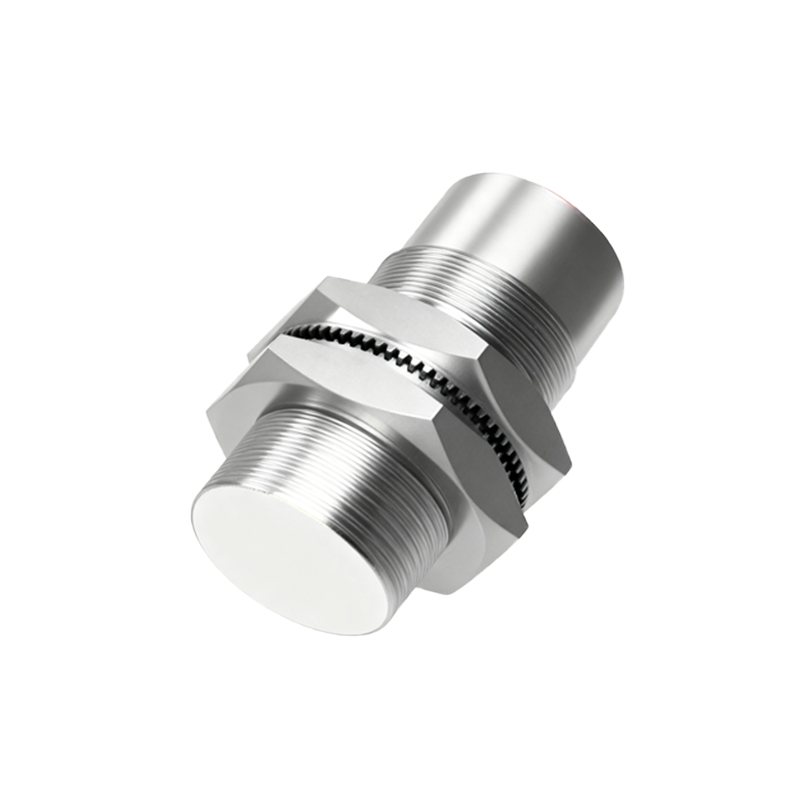
In conclusion, mastering sensor control for proximity switches is key to advancing industrial automation. By understanding operational principles, carefully selecting components, and adhering to robust implementation practices, engineers can build systems that enhance productivity, safety, and adaptability. As industries evolve toward greater connectivity and intelligence, the integration of sensors with proximity switches will continue to be a cornerstone of efficient automation solutions.