In the realm of industrial automation, robotics, and smart infrastructure, large-scale proximity sensors have become indispensable components. These devices detect the presence or absence of objects within a specified range without physical contact, enabling precise control, safety, and efficiency in complex systems. Unlike standard proximity sensors designed for smaller-scale applications, large-scale variants are engineered to operate over extended distances, often in challenging environments. This article delves into the fundamental principles, common types, key applications, and critical factors for selecting the right sensor for industrial needs.
At their core, proximity sensors function by emitting a field or beam and monitoring changes in its return signal. For large-scale detection, this typically involves technologies capable of sustaining signal integrity over greater distances. The most prevalent types include ultrasonic sensors, laser distance sensors, and long-range inductive or capacitive sensors. Ultrasonic sensors utilize sound waves beyond human hearing, measuring the time taken for an echo to return after hitting an object. They are highly effective for detecting a wide variety of materials, including liquids and transparent objects, over distances that can exceed several meters. Laser sensors, based on time-of-flight or triangulation principles, offer exceptional accuracy and speed for measuring distances to solid targets, even in the presence of ambient light interference. Inductive and capacitive sensors, while often associated with shorter ranges, have been developed in specialized long-range versions for detecting metallic or non-metallic objects, respectively, in specific industrial contexts.
The applications of large-scale proximity sensors are vast and varied. In automated warehousing and logistics, they are crucial for inventory management, pallet detection, and guiding automated guided vehicles (AGVs) along predefined paths. In the automotive manufacturing sector, these sensors ensure precise positioning of vehicle components on assembly lines and monitor the safe operation of large robotic arms. For outdoor and infrastructure projects, such as port management or construction, they facilitate level measurement in silos, collision avoidance for cranes, and traffic monitoring. Furthermore, in the energy sector, they contribute to the safe operation of wind turbines by detecting ice buildup on blades or monitoring the clearance between moving parts.
Selecting the appropriate large-scale proximity sensor requires a careful analysis of several technical and environmental parameters. The primary consideration is the required sensing range, which must account for both the minimum and maximum detection distances under all operating conditions. The nature of the target object is equally important; factors such as material composition (metal, plastic, liquid), surface color, reflectivity, and texture can significantly impact sensor performance. Environmental challenges like temperature extremes, humidity, dust, vibration, and ambient noise (for ultrasonic types) or light (for laser types) must be evaluated to ensure sensor reliability. Other critical selection criteria include the required response speed, output signal type (analog, digital, IO-Link), electrical specifications, housing material for durability (e.g., IP67/IP69K ratings), and ease of installation and calibration.
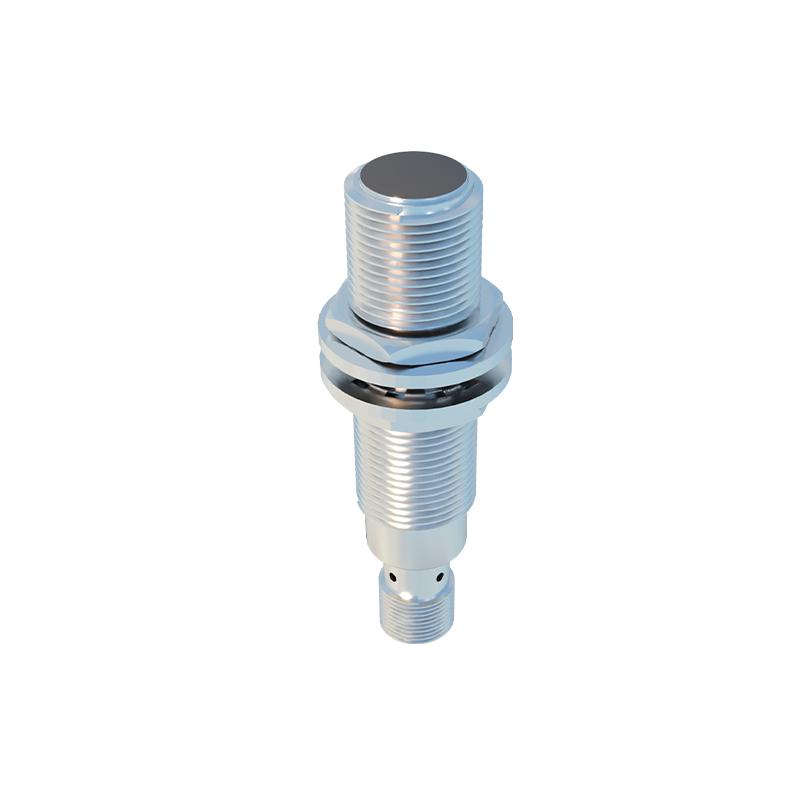
In conclusion, large-scale proximity sensors are sophisticated devices that form the backbone of modern automated and safety-critical systems. Their ability to provide reliable, non-contact detection over extended distances makes them vital for enhancing productivity, ensuring operational safety, and enabling advanced data collection in Industry 4.0 environments. A thorough understanding of the available technologies and a methodical approach to selection, based on the specific application requirements and environmental conditions, are essential for engineers and system integrators to harness their full potential. As technology advances, we can expect these sensors to offer even greater ranges, higher precision, and smarter, networked capabilities for the factories and infrastructures of the future.