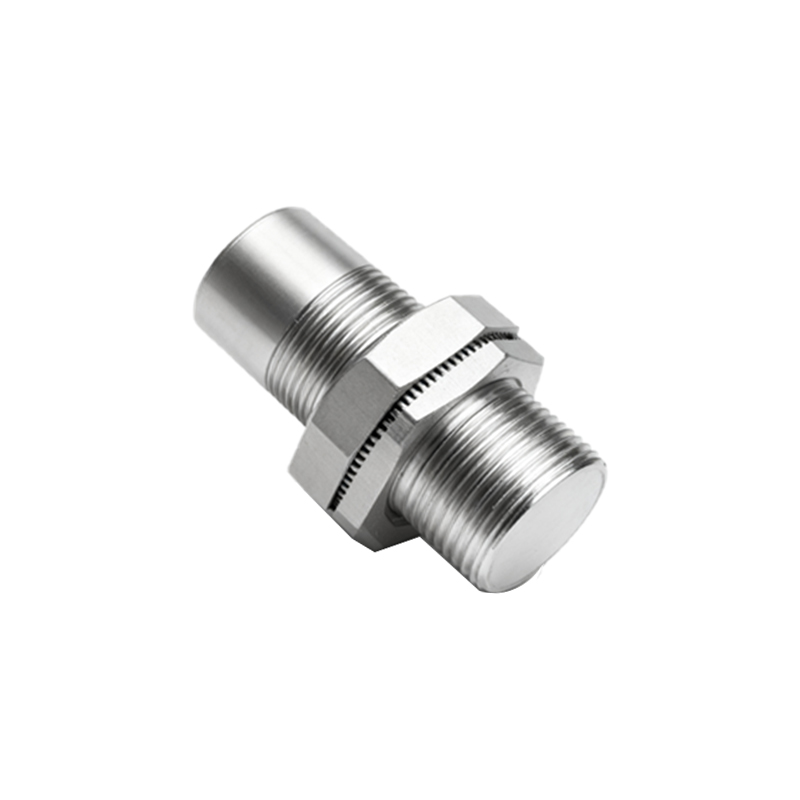
In the demanding world of industrial automation, the reliability of sensing technology is paramount. High protection level proximity sensors stand as critical components, engineered to deliver consistent performance under the most severe operating conditions. These sensors are defined by their Ingress Protection (IP) ratings and other durability standards, which quantify their resistance to environmental factors such as dust, water, oils, chemicals, and mechanical impact.
The core technology of inductive, capacitive, or magnetic proximity sensors remains, but their construction is radically enhanced. A standard IP67 rating, indicating protection against temporary immersion and dust ingress, is often a baseline. For extreme applications, sensors with IP68, IP69K, and even specialized certifications like NEMA ratings are deployed. An IP69K-rated sensor, for instance, is built to withstand close-range, high-pressure, high-temperature washdowns, making it indispensable in food processing, pharmaceutical, and chemical industries where stringent hygiene protocols are enforced.
The design philosophy extends beyond the sealing of the housing. It encompasses the selection of materials. Stainless steel housings, typically AISI 303 or 316L, offer superior corrosion resistance against saline atmospheres or aggressive cleaning agents. The sensing face is often made from specialized polymers like PPS or PEEK, which resist chemical attack and thermal deformation. Furthermore, the cable entry or connector system is a critical point of vulnerability; thus, high-grade radial shaft seals or molded, overmolded cable connections are employed to create a hermetic seal that maintains integrity over thousands of mating cycles and under constant vibration.
Electrical and functional robustness is equally crucial. These sensors are designed with wide operating voltage ranges and include protection against reverse polarity, short-circuits, and voltage spikes common in industrial power networks. Advanced models feature weld-field immunity, ensuring they are not falsely triggered by the strong magnetic fields generated by resistance welding equipment—a common challenge in automotive manufacturing.
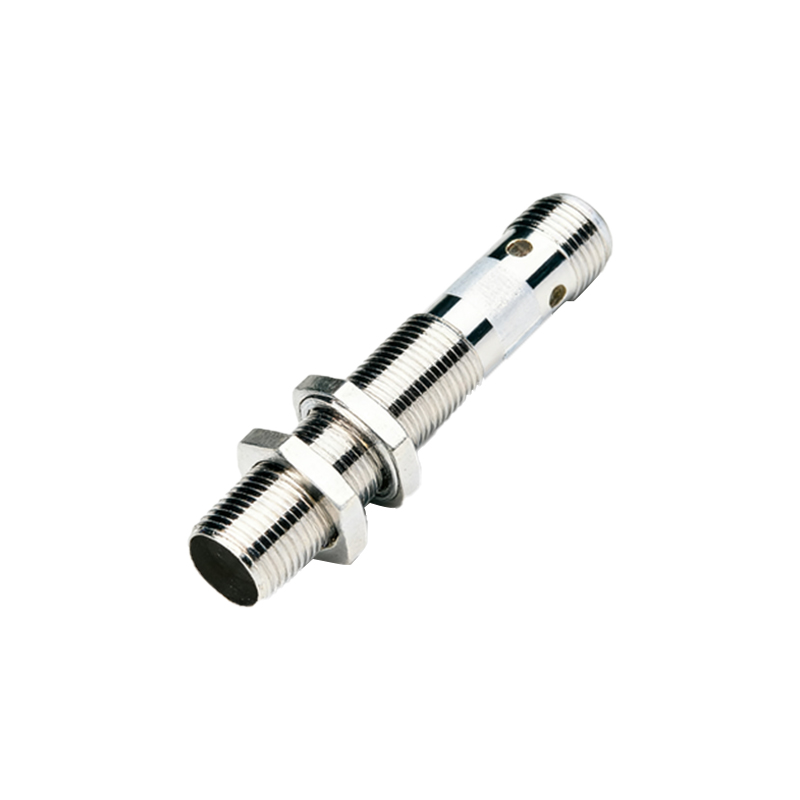
The application spectrum is vast. In mining and heavy machinery, sensors with high shock and vibration resistance monitor position and movement in environments filled with particulate matter. In wastewater treatment plants, submersible sensors with IP68/IP69K ratings reliably detect levels despite constant exposure to moisture and corrosive elements. The offshore oil and gas industry relies on sensors certified for explosive atmospheres (ATEX, IECEx) with high IP ratings to ensure safety and uptime.
Selecting the appropriate high-protection sensor requires a thorough analysis of the environmental stressors: the type and concentration of contaminants, pressure and temperature ranges, the need for chemical resistance, and the mechanical loads from impact or vibration. It is a cost-benefit analysis where the higher initial investment in a ruggedized sensor prevents exponentially higher costs from production downtime, premature failure, and safety incidents.
Maintenance, though significantly reduced, is not eliminated. Regular checks of the housing integrity, the cleanliness of the sensing face, and the condition of the cable are recommended. However, the primary advantage of these engineered components is their set-and-forget reliability, forming a resilient sensory layer in the Industrial Internet of Things (IIoT) ecosystem.
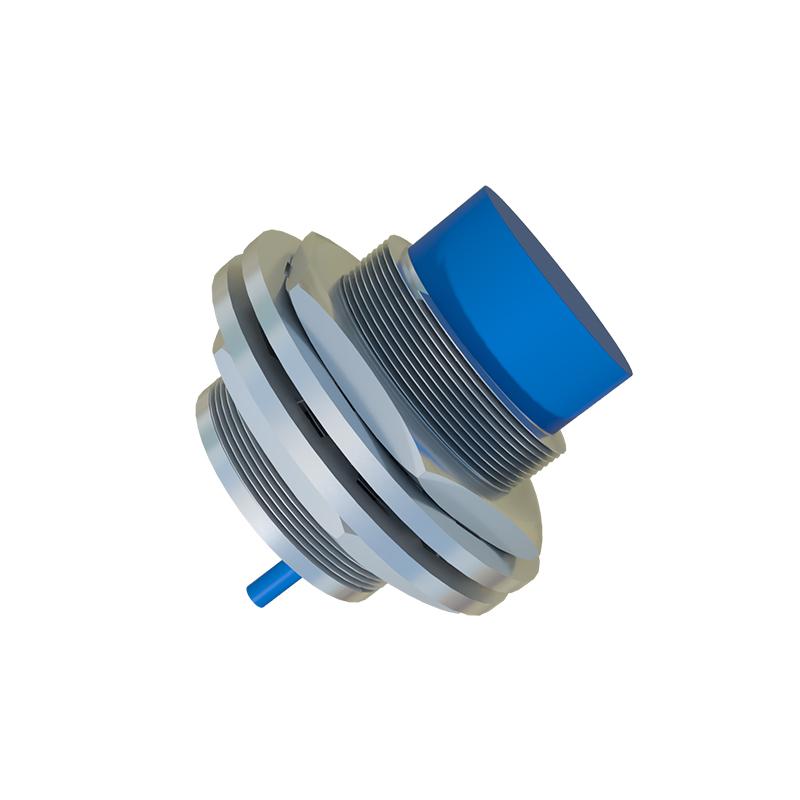
In conclusion, high protection level proximity sensors are not merely accessories but foundational elements for robust industrial automation. Their advanced sealing techniques, durable material science, and electrical hardening transform standard sensing principles into unwavering workhorses. As industries push into more challenging environments and demand greater operational resilience, the evolution of these sensors will continue to be a key driver of productivity and safety, ensuring that the simple act of detection remains a guarantee, not a gamble.