In the demanding world of industrial automation and machinery, the question of component durability is paramount. Proximity sensors, the silent sentinels that detect the presence or absence of objects without physical contact, are no exception. Engineers and maintenance professionals routinely ask: "Are proximity switches durable?" The answer is a resounding yes, but with critical nuances that depend on design, application, and environmental factors. Their inherent durability is a primary reason for their widespread adoption across manufacturing, automotive, packaging, and material handling sectors.
The core principle of operation contributes significantly to their robustness. Unlike mechanical limit switches with moving parts that wear out from repeated physical impact, inductive, capacitive, and ultrasonic proximity sensors are solid-state devices. An inductive sensor, for instance, generates an electromagnetic field. When a metal target enters this field, it causes a change in oscillation, which the sensor's circuitry detects and converts into a switching signal. This non-contact detection eliminates the mechanical wear and tear associated with physical actuation, fundamentally enhancing longevity. The absence of moving parts means there is nothing to jam, break, or fatigue from millions of cycles.
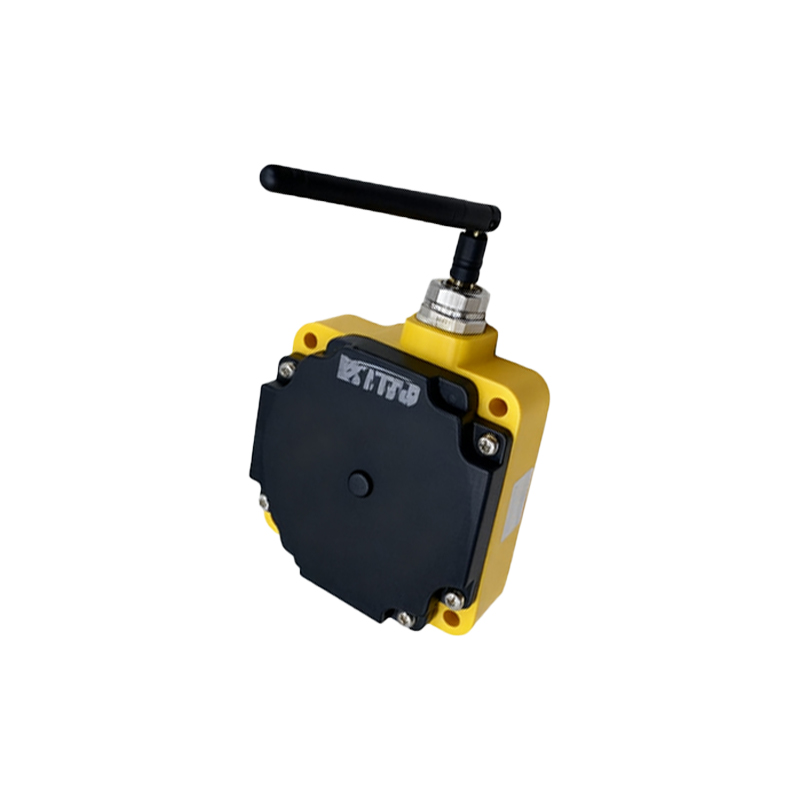
Construction and housing materials are the first line of defense. High-quality industrial proximity sensors are housed in robust materials such as nickel-plated brass, stainless steel (e.g., 303 or 316 grades), or engineering plastics like PBT. These materials offer exceptional resistance to corrosion, chemicals, oils, and coolants commonly found in factory environments. The sensing face is typically protected by a rugged epoxy resin or ceramic cap, shielding the internal coil and electronics from physical abrasion, chips, and dust ingress. Most carry an Ingress Protection (IP) rating, such as IP67 or IP69K, indicating a high level of protection against dust and temporary or high-pressure water immersion, which is crucial for washdown applications in food and beverage or pharmaceutical industries.
Electrical durability, often measured in switching cycles, is another cornerstone. A standard industrial proximity sensor is rated for tens of millions, often hundreds of millions, of electrical switching operations. This is a testament to the reliability of its solid-state output circuitry. However, it is crucial to distinguish this from mechanical life. While the electronics may endure, external factors can degrade performance prematurely. Key threats to durability include physical damage from misalignment or excessive impact, welding spatter directly hitting the sensing face, exposure to extreme temperatures beyond the sensor's specified range (typically -25°C to 70°C for standard models), and the cumulative effect of strong electromagnetic interference (EMI) in areas with large motors or welders.
Application engineering is therefore critical to realizing the sensor's full durable potential. Proper selection is the first step. Choosing a sensor with the correct sensing distance (with a safety factor), the right housing style (barrel, rectangular, slot), and a material compatible with the environment is essential. For example, a stainless-steel sensor is mandatory for corrosive washdown zones. Installation is equally important. Ensuring correct mounting, maintaining the recommended blind zone, and using adequate shielding or physical guards to protect against flying debris or accidental collisions can dramatically extend service life. Regular maintenance, though minimal, involves periodic cleaning of the sensing face to remove buildup of grease, metal shavings, or other contaminants that can reduce the effective sensing range.
In conclusion, modern proximity sensors are engineered to be exceptionally durable components, capable of providing reliable, maintenance-free service for years in harsh industrial conditions. Their solid-state, non-contact design is inherently more robust than mechanical alternatives. However, their legendary durability is not unconditional. It is a promise fulfilled only through informed selection, correct installation, and consideration of the operational environment. By understanding the factors that influence longevity—from IP ratings and housing materials to electrical load and thermal limits—engineers can leverage these devices to build more reliable, efficient, and resilient automated systems. The durability of a proximity sensor is ultimately a partnership between its built-in ruggedness and the application wisdom of the user.