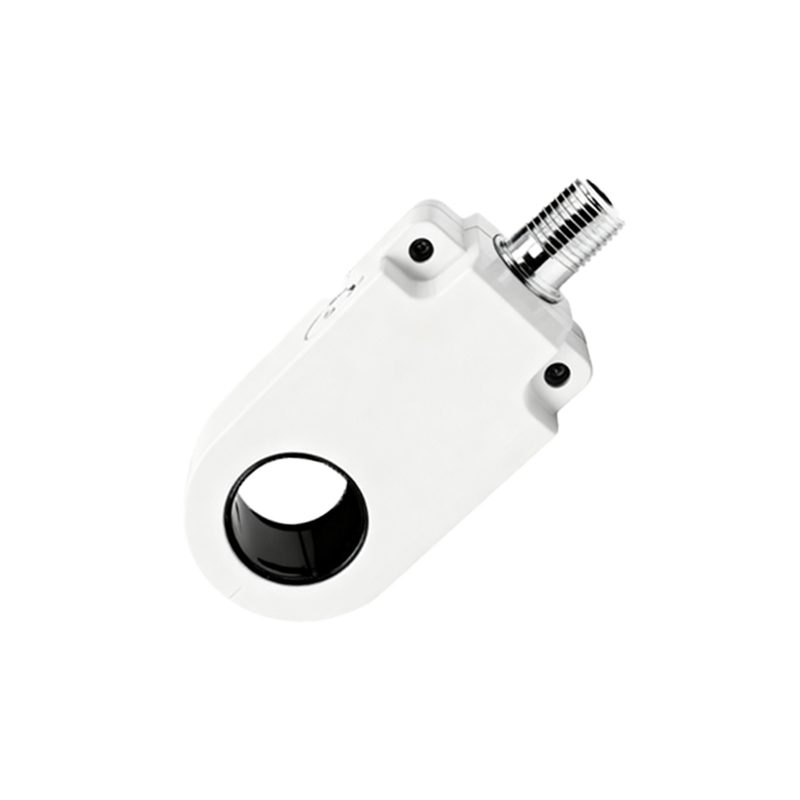
In modern industrial automation, proximity sensors play a critical role in detecting the presence or absence of objects without physical contact. These sensors, utilizing technologies such as inductive, capacitive, ultrasonic, or photoelectric principles, are essential for applications ranging from assembly lines to robotic systems. However, the integration of digital displays with proximity sensors has revolutionized how operators interact with these devices, providing real-time data visualization and enhancing operational efficiency.
A digital display attached to a proximity sensor typically shows key parameters like detection distance, output status, sensitivity settings, and environmental conditions. This immediate feedback allows for quick troubleshooting and reduces downtime. For instance, in a manufacturing setting, if a sensor fails to detect an object, the display might indicate whether the issue is due to misalignment, contamination, or electrical interference. Operators can then adjust settings on-the-fly, such as tuning the sensing range or switching between normally open and normally closed configurations, without needing external diagnostic tools.
The benefits of digital displays extend beyond troubleshooting. They enable predictive maintenance by monitoring sensor performance trends over time. By analyzing data like response time fluctuations or temperature variations, maintenance teams can schedule replacements before failures occur, minimizing unexpected breakdowns. Additionally, digital displays often feature user-friendly interfaces with backlit screens for low-light environments, making them suitable for harsh industrial conditions where visibility is limited.
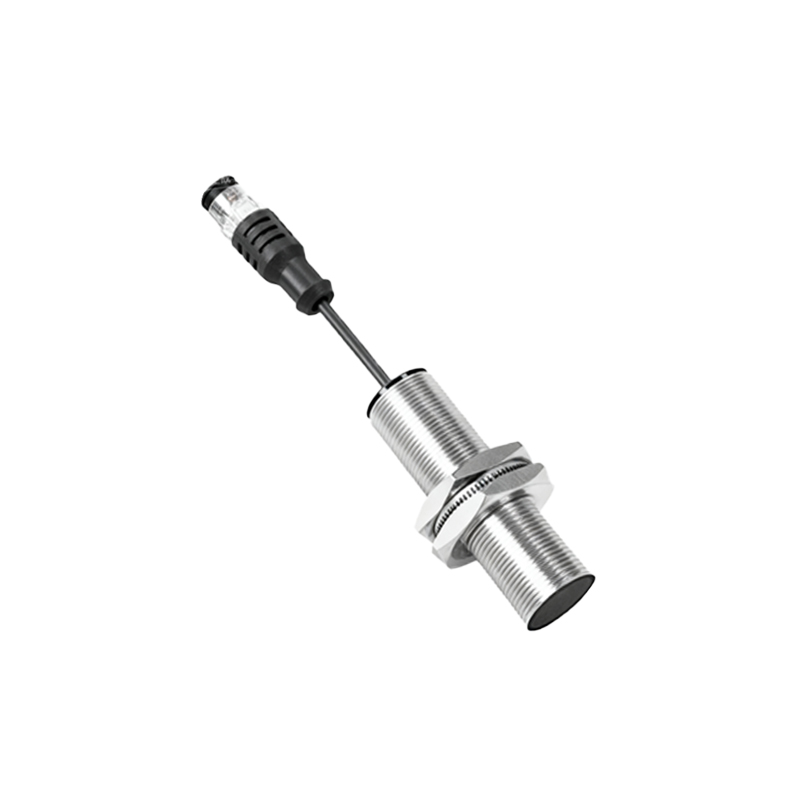
From a technical perspective, modern proximity sensor displays incorporate microcontrollers and communication protocols like IO-Link, which facilitate data exchange with central control systems. This connectivity supports Industry 4.0 initiatives, allowing sensors to contribute to smart factory networks. For example, a digitally displayed sensor can transmit real-time metrics to a supervisory control and data acquisition (SCADA) system, enabling automated adjustments in production speed or quality checks based on sensor inputs.
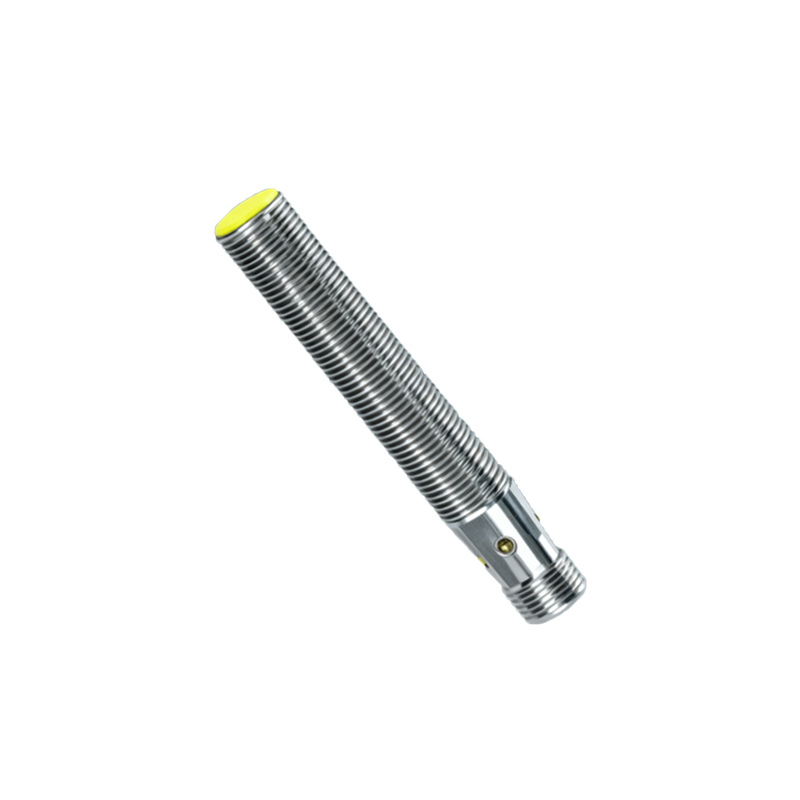
When selecting a proximity sensor with a digital display, engineers should consider factors like resolution accuracy, update rate, and environmental durability. Displays with high-resolution screens provide clearer readings, while fast update rates ensure timely data reflection in high-speed applications. Moreover, enclosures rated for IP67 or higher protect against dust and moisture, ensuring reliability in demanding settings like automotive or food processing plants.
In conclusion, the adoption of digital displays in proximity sensors marks a significant advancement in industrial automation. By offering instant access to operational data, these displays empower operators to optimize processes, reduce errors, and embrace data-driven decision-making. As technology evolves, we can expect further integration with artificial intelligence and cloud analytics, making proximity sensors even more intelligent and integral to automated systems.