In the realm of industrial automation and control systems, the reliable detection of object presence or position is paramount. Among the diverse array of sensing technologies, magnetic proximity switch sensors stand out for their robustness, simplicity, and effectiveness in challenging environments. These non-contact sensors operate on fundamental magnetic principles to detect the presence of ferromagnetic objects, typically without any physical linkage to the target. This article delves into the operational principles, key types, application areas, and critical selection criteria for magnetic proximity switches.
The core operating principle of a magnetic proximity switch is elegantly straightforward. The sensor itself contains a sealed, permanent magnet or an electromagnet that generates a static magnetic field. When a ferromagnetic object, such as a piece of steel or iron, enters this magnetic field, it causes a disturbance or change in the field's characteristics. This change is detected by a magnetically sensitive element within the switch—commonly a reed switch or a Hall-effect sensor. In a reed switch configuration, two ferromagnetic reeds sealed within a glass tube are drawn together by the magnetic flux from the target, closing an electrical circuit. Hall-effect sensors, which are solid-state devices, generate a voltage signal (the Hall voltage) proportional to the strength of the magnetic field, providing a switching signal when a predefined threshold is crossed. This entire process occurs without any physical contact, making the sensor immune to wear from mechanical actuation.
There are two primary configurations of magnetic proximity sensors: unipolar and bipolar. Unipolar sensors are designed to respond to a single magnetic pole (either north or south) and are commonly used with a simple permanent magnet as the target. Bipolar sensors require both poles of a magnet to pass by to complete a switching cycle, offering inherent protection against accidental triggering from stray magnetic fields. Another crucial distinction lies in the output type. Standard two-wire AC/DC switches are simple to install but may have a small leakage current. Three-wire DC sensors (PNP or NPN) provide a clear, solid-state output signal, while four-wire versions offer both normally open (NO) and normally closed (NC) contacts in one device.
The applications for magnetic proximity switches are vast and varied across industries. They are indispensable in hydraulic and pneumatic cylinder position sensing, where a magnet embedded in the piston actuates a sensor mounted on the cylinder's exterior barrel. This provides precise feedback for cylinder extension and retraction in machinery. In conveyor systems, they detect the position of metal parts, pallets, or actuate counting mechanisms. They serve as door and gate position sensors in safety interlocks for machinery guards, elevators, and automated gates. Their sealed construction makes them ideal for washdown areas in food and beverage processing or in outdoor applications exposed to dust, moisture, and temperature extremes where optical or inductive sensors might fail. Furthermore, they are used in rotational speed sensing on gear teeth or as simple limit switches in heavy machinery.
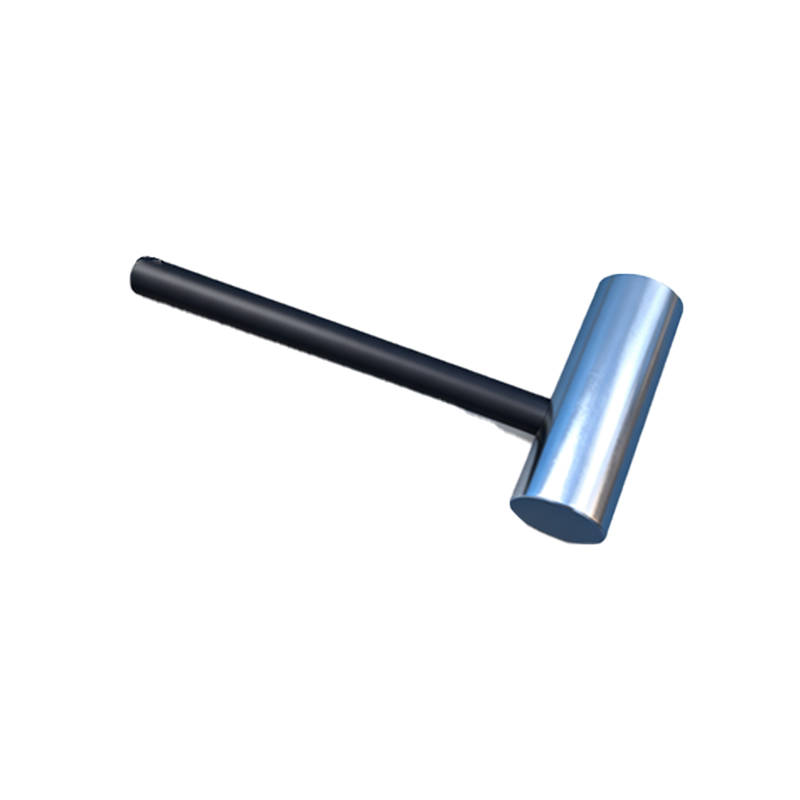
Selecting the right magnetic proximity switch for an application requires careful consideration of several parameters. First, the sensing distance, or switch point, must be specified. This is typically shorter than for inductive sensors and is critically dependent on the strength and size of the target magnet. The housing material is vital; stainless steel (e.g., V4A/AISI 316) is standard for corrosive environments, while brass or PBT plastic housings are used in less demanding settings. Electrical characteristics such as operating voltage (e.g., 10-30V DC, 20-250V AC), output type, and current rating must match the control system. Environmental ratings, particularly the Ingress Protection (IP) code (e.g., IP67, IP69K), define the sensor's resilience to dust and water. Temperature range, resistance to shock and vibration, and the required electrical connection (pre-wired cable, quick-disconnect, or terminal box) are also decisive factors.
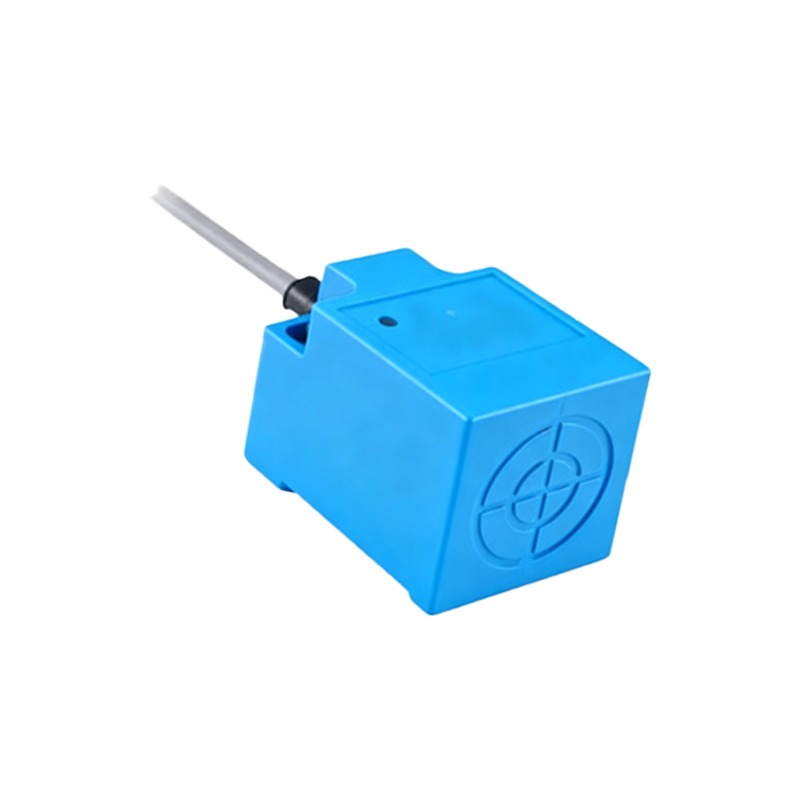
Installation and maintenance are relatively simple. The sensor must be mounted securely, with proper alignment to the path of the target magnet. The use of non-ferromagnetic mounting brackets (e.g., aluminum or stainless steel) is essential to prevent shielding or distortion of the magnetic field. While these sensors are known for their long service life due to the absence of moving mechanical parts (in Hall-effect types) or the sealed nature of reed contacts, periodic checks are recommended. Verification should include testing the output signal under operational conditions and inspecting the housing for physical damage or corrosion that could compromise the seal.
In conclusion, magnetic proximity switch sensors offer a uniquely durable and contactless solution for position detection in industrial automation. Their immunity to contaminants, ability to sense through non-ferromagnetic materials, and operational reliability under harsh conditions make them a preferred choice for engineers designing robust control systems. By understanding their working principles, configurations, and key selection parameters, automation professionals can effectively integrate these versatile sensors to enhance machine safety
