Proximity sensors are integral components in modern industrial automation, offering non-contact detection capabilities that enhance efficiency and safety. This training report outlines practical exercises conducted to evaluate the performance, installation, and troubleshooting of inductive, capacitive, and ultrasonic proximity sensors. The objective was to bridge theoretical knowledge with hands-on experience, focusing on real-world applications in manufacturing and robotics.
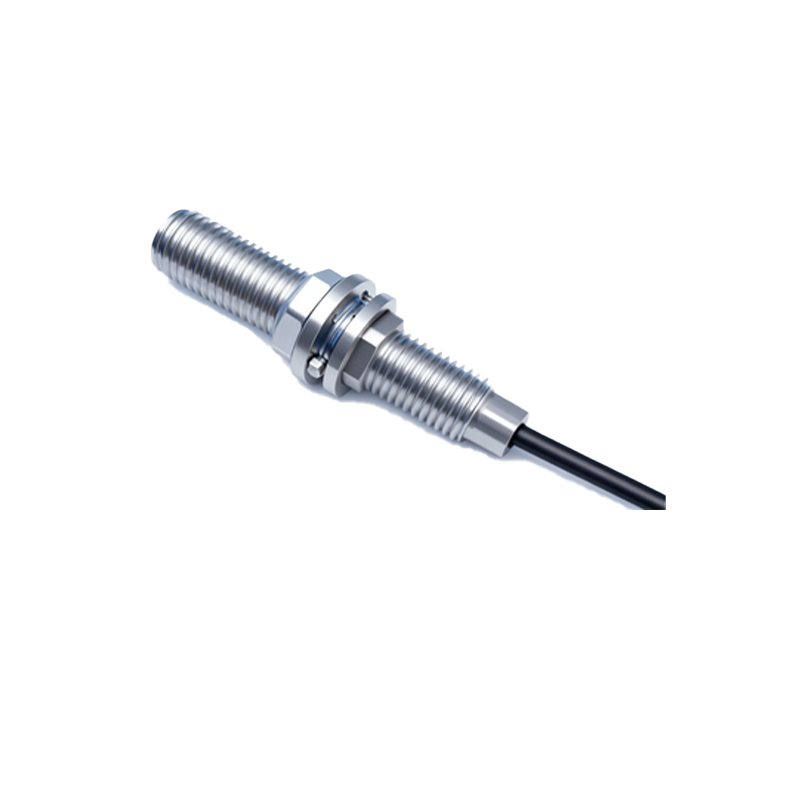
The training commenced with an overview of sensor operating principles. Inductive sensors detect metallic objects using electromagnetic fields, while capacitive sensors respond to both metallic and non-metallic materials by measuring changes in capacitance. Ultrasonic sensors utilize sound waves to determine object presence and distance. Each type was tested under controlled conditions to assess detection range, response time, and environmental adaptability. For instance, inductive sensors demonstrated reliable performance within a 10mm range for steel objects but showed reduced sensitivity with non-ferrous metals. Capacitive sensors proved effective for liquid level detection, though adjustments were necessary to avoid false triggers from humidity variations.
Installation practices emphasized proper mounting, alignment, and shielding to minimize interference. Participants configured sensors with programmable logic controllers (PLCs), integrating them into automated systems for tasks like object counting, position verification, and conveyor belt control. Wiring diagrams and ladder logic programming were developed to simulate production line scenarios. Common issues, such as sensor drift or electrical noise, were addressed through grounding techniques and parameter calibration. Data logging tools recorded sensor outputs, revealing insights into long-term stability and repeatability.
Safety protocols were strictly followed, including lockout-tagout procedures and risk assessments for high-voltage setups. The training highlighted the importance of selecting sensors based on application requirements—factors like sensing distance, material composition, and environmental conditions (e.g., temperature, dust, or moisture). For example, ultrasonic sensors excelled in harsh environments where dirt accumulation could obstruct optical alternatives.
In conclusion, the exercises reinforced that proximity sensors are versatile tools but require precise configuration and maintenance. Recommendations include regular calibration checks, using shielded cables in noisy environments, and consulting manufacturer datasheets for optimal performance. Future training could explore IoT integration for predictive maintenance and advanced diagnostics.