In the relentless pursuit of the perfect all-screen smartphone display, manufacturers have tackled one frontier after another. First came the notch, then the punch-hole, and finally, the under-display camera. But there's another, less-heralded component that has quietly made the same journey from front-and-center to completely hidden: the proximity sensor. This shift to under-display proximity sensors represents a significant, yet often overlooked, advancement in smartphone design and functionality.
For years, the proximity sensor was a small, visible dot near the earpiece. Its job was simple but crucial: detect when the phone was held to your ear during a call. Upon sensing the close presence of your head, it would automatically turn off the display to prevent accidental cheek-taps and save battery. It was a utilitarian feature, rarely thought about until it malfunctioned.
The move to an under-discreen placement is driven by the same ethos as hiding the front camera: maximizing screen real estate and achieving a seamless, uninterrupted visual canvas. Placing the sensor beneath the active display area eliminates the need for any bezel cutouts or additional pinholes on the front face. This contributes to a cleaner, more immersive aesthetic that modern consumers demand.
However, burying a light-based sensor under a dense layer of pixels, touch sensors, and glass is an engineering challenge. Traditional infrared (IR) proximity sensors work by emitting an IR light pulse and measuring the amount of light reflected back. An opaque display would completely block this process. To solve this, engineers and display makers developed innovative solutions involving specialized OLED pixel arrangements and advanced materials.
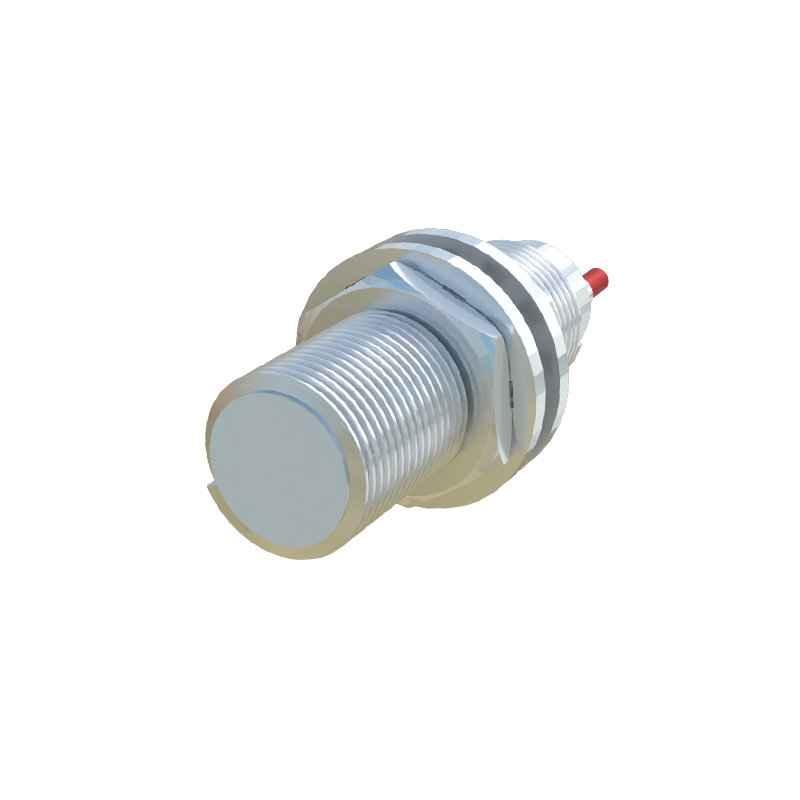
The key lies in the inherent properties of OLED displays. Unlike LCDs, OLED pixels produce their own light and can be turned off completely. Manufacturers design specific, tiny zones within the display matrix where the pixel density is drastically reduced or where pixels can be made temporarily transparent. These micro-regions act as "windows" or pathways for infrared light. A dedicated IR emitter and receiver are then placed underneath this specially engineered section of the screen.
When activated, the emitter shoots an IR beam through this microscopic opening. If an object, like your head, is close, the light reflects back down through the same opening to the receiver. The phone's processor interprets this signal and commands the display to turn off. The entire process happens in milliseconds and is completely invisible to the user. The pixels in that zone can even light up normally when the sensor is not active, ensuring no visible blemish on the screen.
The benefits extend beyond just a cleaner look. An under-display system is less susceptible to damage from dust and moisture since it's not exposed through a physical hole. It also allows for more flexible and robust industrial design. However, the technology isn't without its initial hurdles. Early implementations sometimes suffered from reduced sensitivity or required more precise calibration to distinguish between a pocket, a bag, and a human ear. Modern iterations have largely overcome these issues through sophisticated algorithms and improved hardware integration.
Furthermore, the role of the proximity sensor is expanding. Beyond call management, it now facilitates smarter features. It can help prevent accidental wake-ups when the phone is in a dark bag, contribute to improved auto-brightness adjustments by gauging the phone's environment, and work in tandem with other sensors for enhanced gesture controls. As we move towards truly bezel-less and even foldable devices, the importance of fully integrated, invisible sensors like this will only grow.
In conclusion, the under-display proximity sensor is a testament to the incremental innovations that power modern smartphones. It’s a perfect example of how engineers relentlessly refine even the smallest components to serve a larger design vision. By disappearing from sight, this tiny sensor has played a big part in delivering the stunning, edge-to-edge displays we now take for granted, proving that sometimes, the most important technology is the kind you never see.