In the seamless dance of modern automation and smart interaction, there exists a silent, unseen sentinel. It is the proximity sensor, a fundamental component that has quietly revolutionized how machines perceive and respond to the physical world without a single touch. From the smartphone that dims its screen during a call to the factory robot that avoids collisions, these devices are the invisible guardians enabling intuitive, efficient, and safe operations.
At its core, a proximity sensor is a device that detects the presence or absence of an object within a specified range, or measures the distance to that object, without any physical contact. It achieves this by emitting a field or beam of electromagnetic radiation, such as infrared light, ultrasonic sound waves, or an electromagnetic field, and then analyzing the changes in the return signal. The key principle is non-contact detection, which eliminates mechanical wear and allows for high-speed, reliable operation in environments where contact is impossible or undesirable.
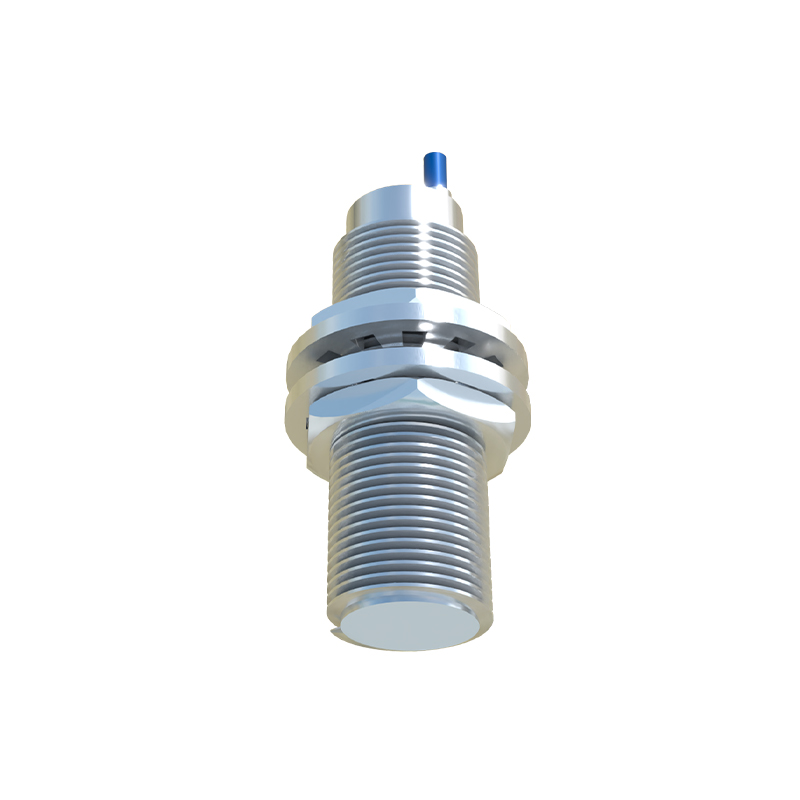
The technological landscape of proximity sensors is diverse, with each type tailored for specific applications and challenges. Inductive proximity sensors are the workhorses of industrial automation. They generate an oscillating electromagnetic field and detect the eddy current losses caused when a metallic target enters this field. Highly robust and immune to environmental factors like dust or oil, they are indispensable on assembly lines for counting, positioning, and monitoring metal parts.
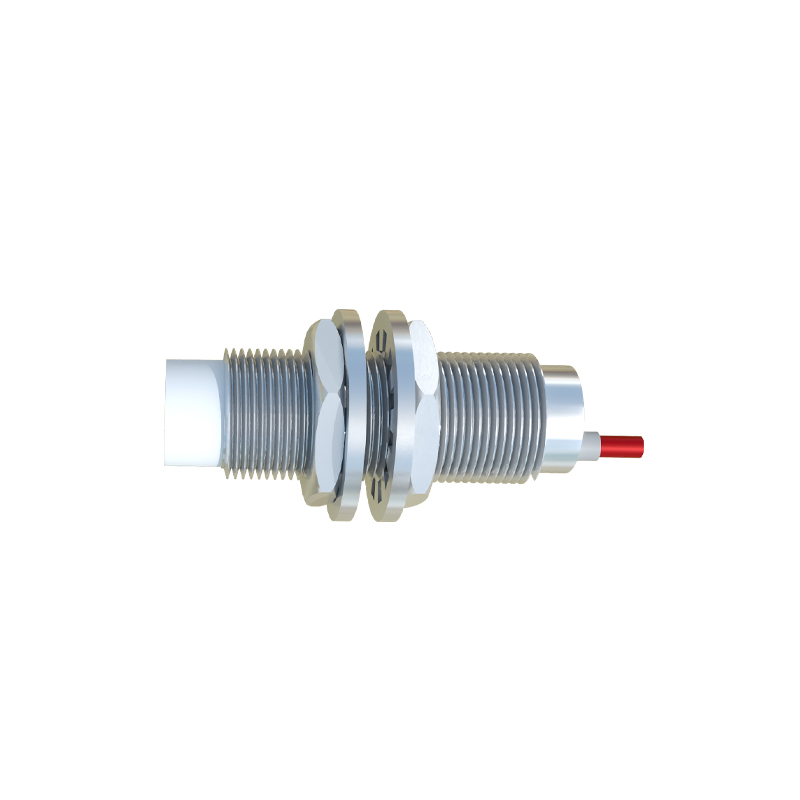
Capacitive proximity sensors, on the other hand, can detect both metallic and non-metallic materials—liquids, plastics, wood, and even granular substances. They function by sensing changes in capacitance caused by the presence of any material that alters the dielectric constant of the space between the sensor and the target. This makes them perfect for level detection in tanks, material handling, and touch-sensitive interfaces.
For longer ranges and precise distance measurement, ultrasonic sensors emit high-frequency sound pulses and calculate distance based on the time-of-flight of the reflected echo. They excel in challenging conditions with smoke, dust, or varying colors and surfaces, commonly used in parking assist systems, robotics, and bulk material level monitoring. Photoelectric sensors, utilizing infrared or laser light, offer very high precision and fast response times, critical in packaging, object sorting, and safety light curtains.
Perhaps the most ubiquitous example is in consumer electronics. The humble proximity sensor in your smartphone, typically an infrared LED and photodetector pair, saves battery life and prevents accidental screen touches by detecting when the phone is held to your ear. This simple application underscores the sensor's role in enhancing user experience through seamless, unconscious interaction.
The industrial domain, however, is where proximity sensors truly demonstrate their critical value. In manufacturing, they ensure precision in robotic welding arms, control the positioning of CNC machine tools, and provide essential safety interlocks on automated guided vehicles (AGVs) and robotic cells, preventing costly damage and protecting human workers. Their reliability and speed are foundational to the concepts of Industry 4.0 and the Internet of Things (IoT), where machines communicate and make autonomous decisions based on real-time environmental data.
When selecting a proximity sensor, engineers must consider several key parameters. The sensing range defines the maximum distance at which the sensor can reliably detect a standard target. The repeatability, or the consistency of detection at the same point, is crucial for precision applications. Environmental factors are paramount: temperature extremes, exposure to chemicals, water (rated by IP codes), and electrical noise can all impact performance. The output type—whether a simple digital switch (PNP/NPN), analog voltage/current proportional to distance, or a serial communication protocol like IO-Link—determines how the sensor integrates into the broader control system.
Looking ahead, the evolution of proximity sensing is intertwined with advancements in miniaturization, energy efficiency, and intelligence. The integration of sensor fusion, combining data from proximity sensors with cameras or inertial measurement units (IMUs), is enabling more sophisticated context-aware systems in autonomous vehicles and advanced robotics. Furthermore, the development of low-power, wireless sensors is accelerating the deployment of large-scale sensor networks for smart infrastructure and environmental monitoring.
In conclusion, proximity sensors are far more than simple switches. They are the essential organs of perception for the digital and automated age, providing the critical data that bridges the physical and electronic worlds. Their continued innovation ensures that as our machines become smarter and our interactions more natural, these invisible guardians will remain at the forefront, silently enabling the technology of tomorrow.