In the industrial automation and control systems sector, proximity sensors are indispensable components for detecting the presence or absence of objects without physical contact. Whether you are an OEM, a system integrator, or a maintenance professional, knowing how to effectively contact proximity sensor manufacturers by phone can streamline procurement, technical support, and collaboration processes. This guide provides practical insights into locating and engaging with leading manufacturers via telephone, ensuring efficient communication for your project needs.
First, identifying reputable proximity sensor manufacturers is crucial. Key global players include Siemens, Omron, Rockwell Automation, Schneider Electric, and Pepperl+Fuchs. These companies offer a wide range of proximity sensors, such as inductive, capacitive, and ultrasonic types, catering to diverse industrial applications. To find their contact numbers, visit their official websites, typically under "Contact Us," "Support," or "Sales" sections. Many list regional office phone numbers, allowing direct access to local representatives. Alternatively, industry directories like Thomasnet or GlobalSpec provide verified contact details, including phone numbers for sales and technical inquiries.
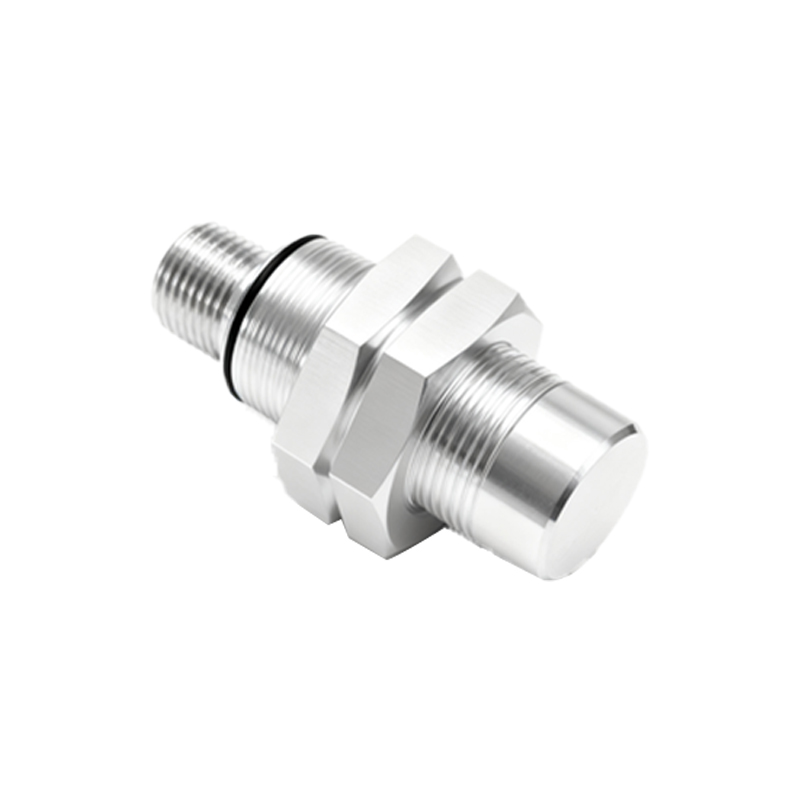
When preparing to call, have essential information ready: your company details, application requirements (e.g., sensor type, operating environment, and output specifications), and any part numbers if referencing existing products. This preparation helps manufacturers quickly understand your needs and offer tailored solutions. For instance, if you need a high-temperature resistant inductive sensor for automotive assembly, specify parameters like sensing range and housing material.
During the call, clearly state your purpose—whether it's requesting a quote, seeking technical advice, or discussing customization options. Ask about product availability, lead times, pricing, and warranty terms. For technical support, describe any issues encountered, such as false triggering or installation challenges, to receive troubleshooting guidance. Many manufacturers have dedicated phone lines for different departments; use extension numbers if provided to reach the right team, such as sales for orders or engineering for technical queries.
Effective communication also involves understanding time zones and language preferences. For international manufacturers, check their business hours to avoid missed calls. If English is not your first language, consider rehearsing key points or using translation tools to ensure clarity. Additionally, note down the representative's name and contact reference for follow-ups, as this fosters better relationships and faster resolution of inquiries.
Beyond initial contact, building a rapport with manufacturers can lead to long-term benefits. Regular phone check-ins can keep you updated on new product launches, industry trends, or promotional offers. For urgent needs, such as replacement parts for downtime situations, phone calls often provide quicker responses than emails. Some manufacturers even offer hotlines for emergency support, ensuring minimal disruption to operations.
In summary, contacting proximity sensor manufacturers by phone is a direct and efficient way to address both commercial and technical needs. By researching reliable companies, preparing thoroughly, and communicating clearly, you can enhance collaboration and drive success in your automation projects. Remember, a well-planned call not only saves time but also opens doors to expert insights and innovative solutions in the ever-evolving field of industrial sensing.