In the realm of industrial automation and control systems, proximity switches stand as fundamental components for non-contact detection. At the heart of their functionality lies the sensing face—the critical interface where the switch interacts with its target. This article delves into the technical intricacies of the proximity switch sensing face, exploring its construction, operational principles, and the pivotal factors influencing its performance in diverse applications.
The sensing face, typically the front surface of the sensor housing, is the origin point of the switch's electromagnetic or electrostatic field. For inductive proximity switches, the most common type used for metal detection, this face contains a coiled ferrite core that generates a high-frequency oscillating electromagnetic field. When a conductive target enters this field, eddy currents are induced on the target's surface. These currents absorb energy from the oscillator, causing a reduction in oscillation amplitude. This change is detected by the sensor's circuitry, triggering the output state change. The effective range and shape of this field are directly defined by the geometry and material composition of the sensing face.
For capacitive proximity switches, which can detect both metallic and non-metallic materials, the sensing face acts as one plate of a capacitor. The target acts as the other plate. The approach of the target alters the dielectric constant and the capacitance of the system, which is measured to determine presence. The design of the sensing face here is crucial for creating a stable and focused electrostatic field, minimizing false triggers from environmental humidity or contaminants.
The material and build quality of the sensing face are paramount. It is often manufactured from materials like PTFE (Teflon), stainless steel, or specialized engineering plastics. These materials are chosen for their durability, resistance to chemicals, oils, and coolants, and their ability to protect the internal electronics from physical impact and environmental stressors. A robust sensing face ensures long-term reliability in harsh industrial environments, including machining centers, welding lines, and material handling systems.
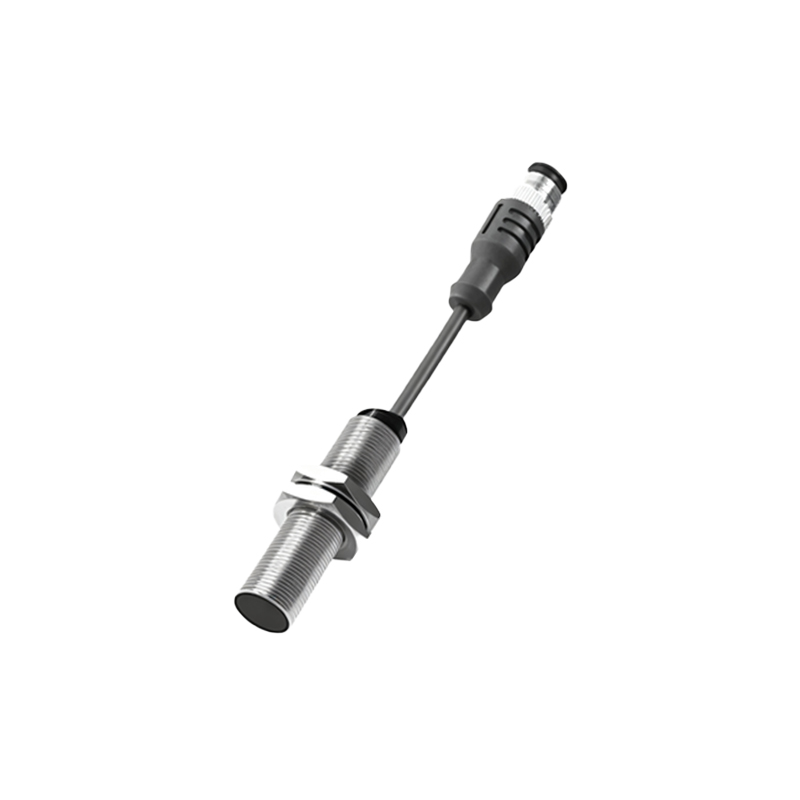
A key specification directly tied to the sensing face is the rated operating distance (Sn). This is the nominal switching distance for which the sensor is designed under standard conditions (typically a standard target of mild steel). It is vital to understand that the actual sensing distance can be affected by several factors related to the sensing face's interaction with the target:
1. Target Material: Inductive sensors have reduction factors for different metals. For instance, stainless steel may reduce the effective sensing distance to 60-80% of Sn, while copper or aluminum reduces it further.
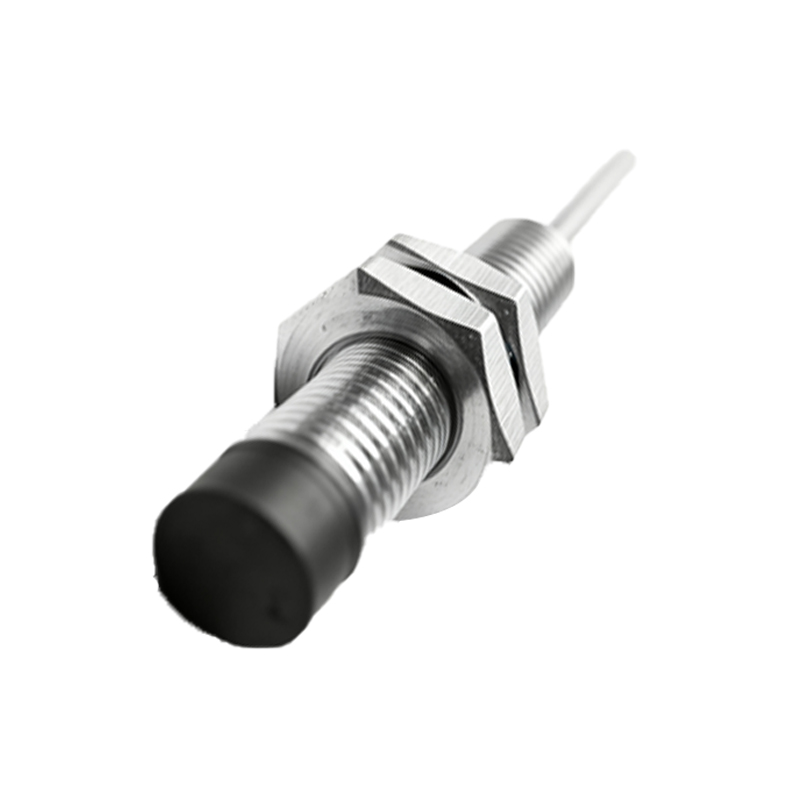
2. Target Size and Shape: The target must be large enough to adequately intersect the sensor's field. A standard rule is that the target should be at least equal to the diameter of the sensing face or three times the rated distance Sn, whichever is greater. Thin or small targets may not be detected reliably at the full rated distance.
3. Mounting and Flush Conditions: Many proximity switches are designed for flush mounting (embedded in metal). Non-flush mountable sensors have a larger sensing range but require a clear area around the sensing face. Flush-mountable sensors have a restricted lateral field, preventing detection of the surrounding metal mounting bracket, but typically have a shorter Sn.
4. Surface Conditions: Excessive buildup of dirt, paint, or other non-conductive materials on the sensing face can attenuate the field, reducing the effective sensing distance. Regular cleaning is recommended for consistent operation.
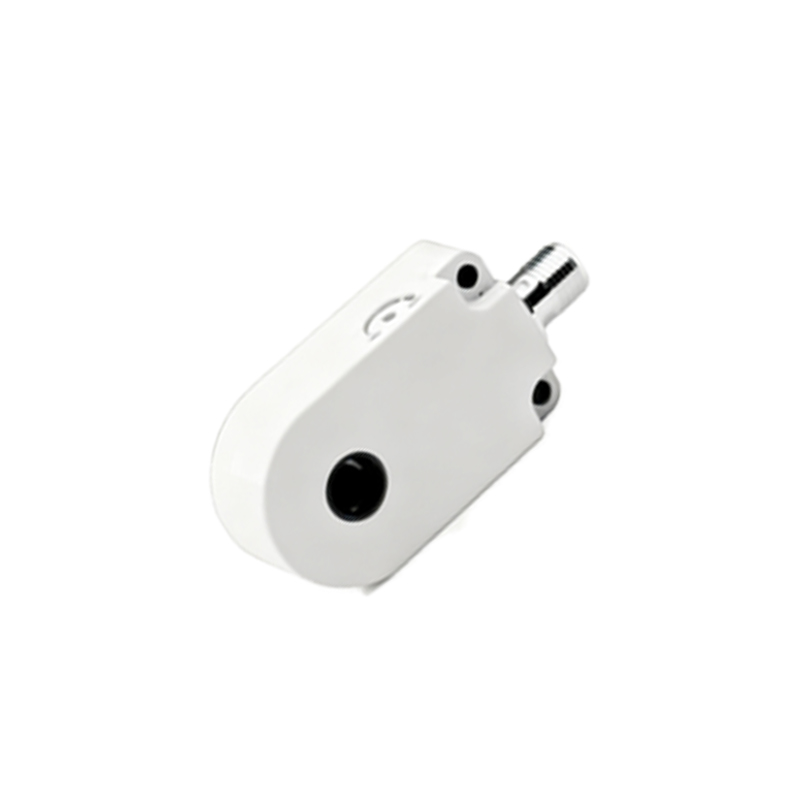
Furthermore, the sensing face is not always a simple flat disc. Specialized designs exist, such as extended sensing faces for applications where the sensor body must be recessed, or rectangular faces for edge detection. The orientation of the sensing face relative to the target's approach direction is also critical; the most reliable detection occurs when the target approaches axially, perpendicular to the face.
In conclusion, the sensing face of a proximity switch is far more than a passive cover. It is an engineered component that defines the sensor's field characteristics, dictates its environmental resilience, and ultimately determines its real-world sensing performance. A thorough understanding of its properties—material, size, mounting constraints, and interaction with target variables—is essential for electrical engineers and system integrators to select the right sensor, ensure reliable operation, and optimize the performance and safety of automated machinery. Ignoring these details can lead to machine downtime, faulty sequencing, and potential safety hazards, making the humble sensing face a focal point of successful system design.