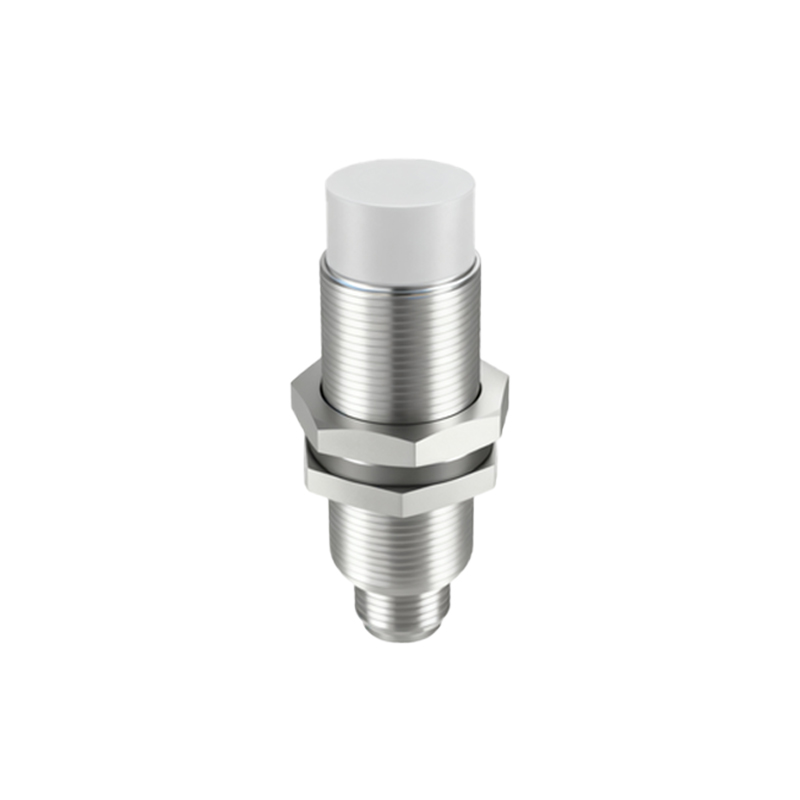
Metal proximity sensors are critical components in industrial automation, widely used for position detection, object counting, and safety applications. Despite their robust design, these sensors are prone to various failures that can disrupt production lines and compromise system reliability. Understanding common failure modes and implementing effective troubleshooting strategies is essential for maintaining operational efficiency.
One prevalent issue is sensor misalignment or mounting errors. Even minor deviations from the recommended installation distance can cause inconsistent detection or complete failure. For instance, if a sensor is mounted too close to the target, it may trigger false positives due to excessive magnetic field interaction. Conversely, excessive distance can lead to missed detections. Always adhere to the manufacturer’s specified sensing range and ensure stable mounting to minimize vibration-induced errors.
Electrical failures are another frequent concern. Overvoltage, voltage spikes, or incorrect wiring can damage internal circuitry, leading to permanent sensor failure. Inadequate shielding in environments with high electromagnetic interference (EMI) may also cause erratic behavior. To mitigate this, use surge protectors, ensure proper grounding, and verify that power supplies match sensor specifications. Regularly inspect cables for wear, corrosion, or loose connections, as these can introduce resistance or short circuits.
Environmental factors significantly impact sensor longevity. Contaminants like metal shavings, dust, or moisture can accumulate on the sensor face, reducing sensitivity or causing false triggers. In harsh conditions, such as extreme temperatures or corrosive atmospheres, sensor housings may degrade, compromising internal components. Selecting sensors with appropriate IP ratings and implementing routine cleaning schedules can extend service life. For example, sensors rated IP67 or higher are suitable for wet or dusty environments.
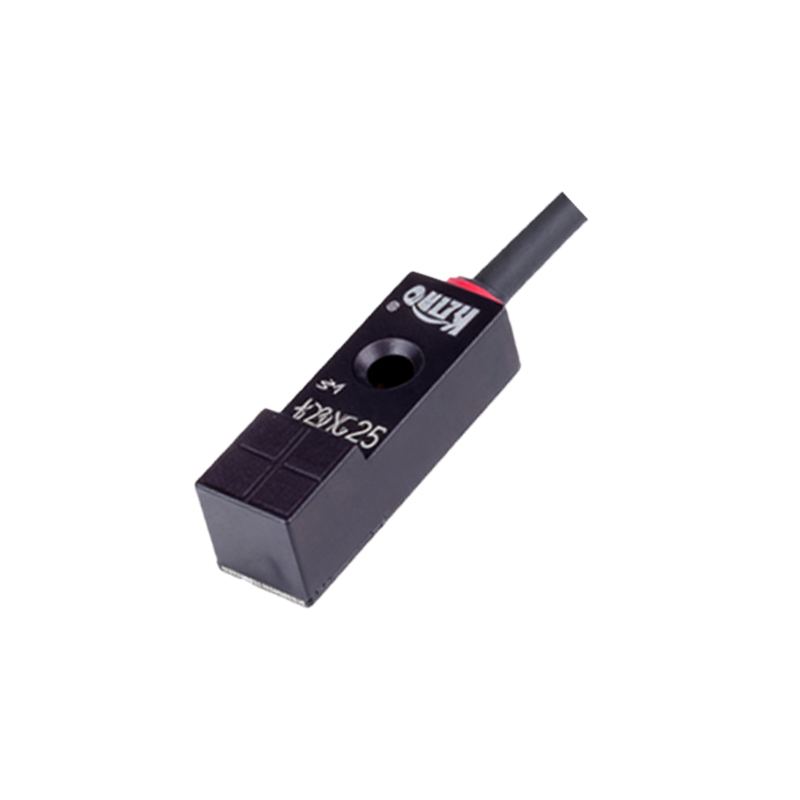
Wear and tear from mechanical stress is inevitable in high-cycle applications. Repeated impacts or excessive force on the sensor housing can crack casings or dislodge internal elements. Additionally, prolonged exposure to vibration may loosen internal connections. Opt for sensors with reinforced designs or shock-absorbing mounts in demanding settings. Regularly monitor cycle counts and replace sensors proactively based on manufacturer-recommended lifespans.
Diagnosing sensor issues requires a systematic approach. Begin by verifying power supply stability using a multimeter. Check output signals with an oscilloscope to identify irregularities like signal dropouts or noise. If the sensor fails to detect targets, test with a known metal object at varying distances to assess sensitivity. For programmable sensors, review configuration settings to ensure parameters like hysteresis or response time are correctly set.
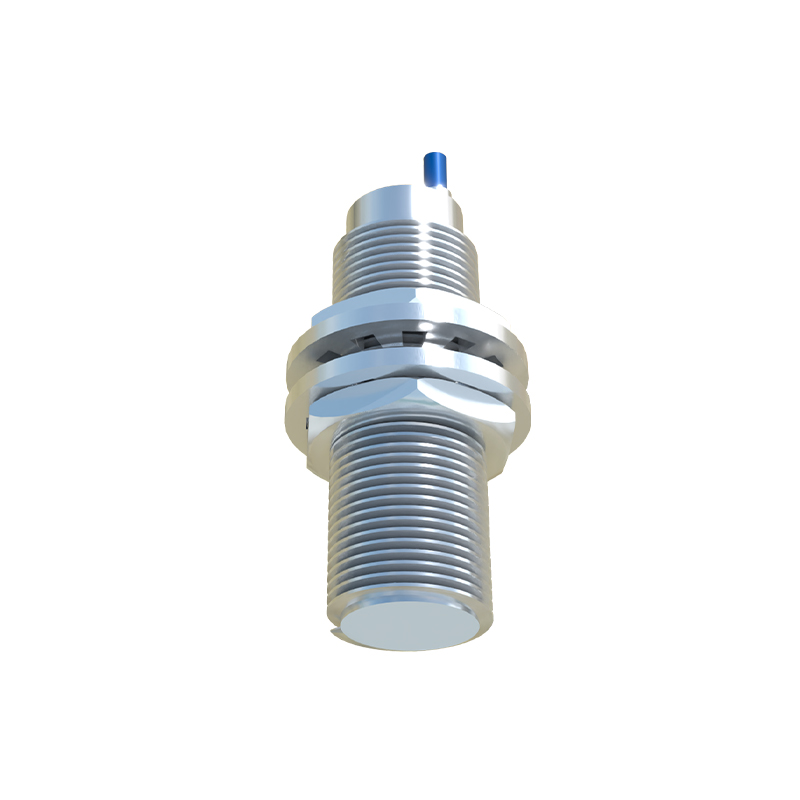
Advanced troubleshooting involves analyzing failure patterns. Intermittent faults may point to loose wiring or EMI, while consistent failures suggest component degradation. Logging operational data, such as temperature cycles or detection rates, can help identify root causes. In networked systems, use diagnostic software to monitor sensor status and receive alerts for anomalies.
Preventive maintenance is key to minimizing downtime. Establish a schedule for visual inspections, electrical testing, and calibration. Keep spare sensors on hand for critical applications to enable swift replacements. Train personnel on proper handling and installation techniques to avoid human error.
In summary, metal proximity sensor failures often stem from installation errors, electrical issues, environmental hazards, or mechanical wear. By adopting proactive maintenance and methodical troubleshooting, engineers can enhance system resilience and reduce costly disruptions. Always refer to manufacturer guidelines and leverage diagnostic tools to ensure optimal performance in industrial automation setups.