Proximity sensors are indispensable components in modern industrial automation, offering non-contact detection of objects within a specific range. These devices operate on various principles, including inductive, capacitive, ultrasonic, and photoelectric technologies, each suited to distinct environments and materials. Their ability to function without physical contact minimizes wear and tear, enhances reliability, and supports high-speed operations in demanding conditions.
In manufacturing and assembly lines, inductive proximity sensors excel at detecting metallic objects, such as monitoring the position of machine parts, counting products on conveyor belts, or ensuring proper alignment in robotic arms. Their robustness against dust, oil, and vibrations makes them ideal for harsh factory settings. For instance, in automotive production, these sensors verify the presence of engine components or control robotic welding processes, improving efficiency and reducing errors.
Capacitive proximity sensors, capable of detecting both metallic and non-metallic materials like plastics, liquids, or wood, find applications in packaging, food processing, and pharmaceutical industries. They can monitor fill levels in containers, detect transparent films on production lines, or ensure safety by sensing human presence near machinery. In bottling plants, capacitive sensors accurately identify liquid levels in glass or plastic bottles, preventing overflow and optimizing throughput.
Ultrasonic proximity sensors use sound waves to measure distance or detect objects, regardless of color or material composition. They are widely used in material handling, such as palletizing systems where they gauge stack heights, or in automotive parking assistance systems. Their versatility extends to outdoor environments, like monitoring bulk materials in storage silos, where they provide reliable data despite dust or humidity.
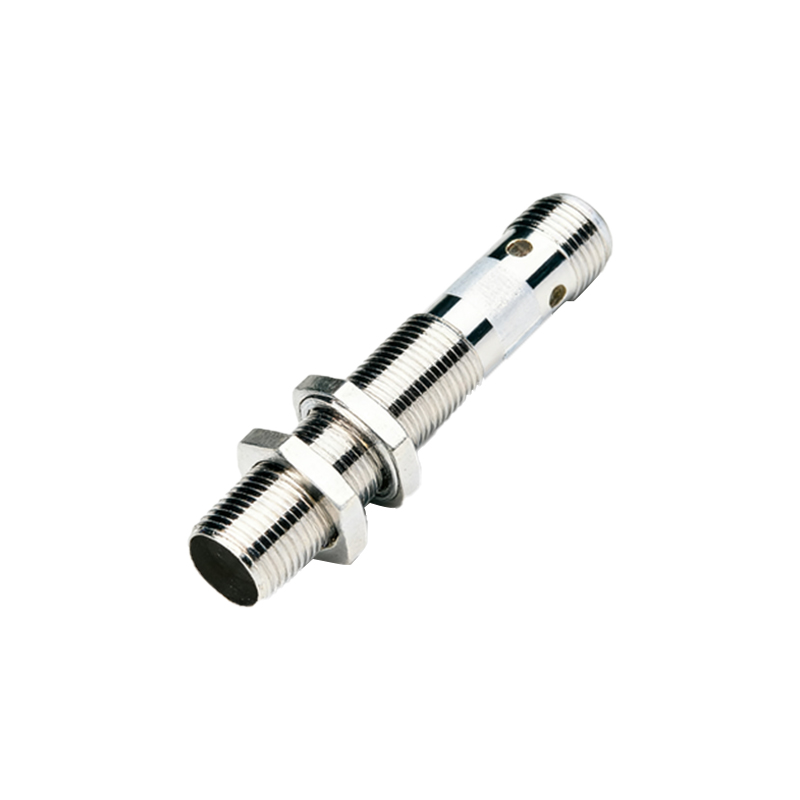
Photoelectric proximity sensors, employing light beams, offer long-range detection and high precision. Common in logistics and warehousing, they track items on conveyors, sort packages by size, or secure access points by sensing intrusions. In clean rooms or electronics manufacturing, these sensors ensure delicate components are handled without contamination, thanks to their non-invasive nature.
Beyond industrial automation, proximity sensors enhance safety and convenience in everyday applications. In elevators, they prevent doors from closing on passengers or objects; in consumer electronics, they disable touchscreens when devices are near the ear during calls. The automotive sector integrates them for collision avoidance systems, while smart appliances use them for energy-saving features, like turning off displays when no one is nearby.
Selecting the right proximity sensor involves considering factors like target material, environmental conditions, required sensing range, and response time. Inductive sensors suit metallic targets in tough settings, capacitive ones handle diverse materials, ultrasonic sensors thrive in challenging atmospheres, and photoelectric types offer flexibility for precise tasks. Regular maintenance, such as cleaning lenses or checking alignment, ensures longevity and accuracy.
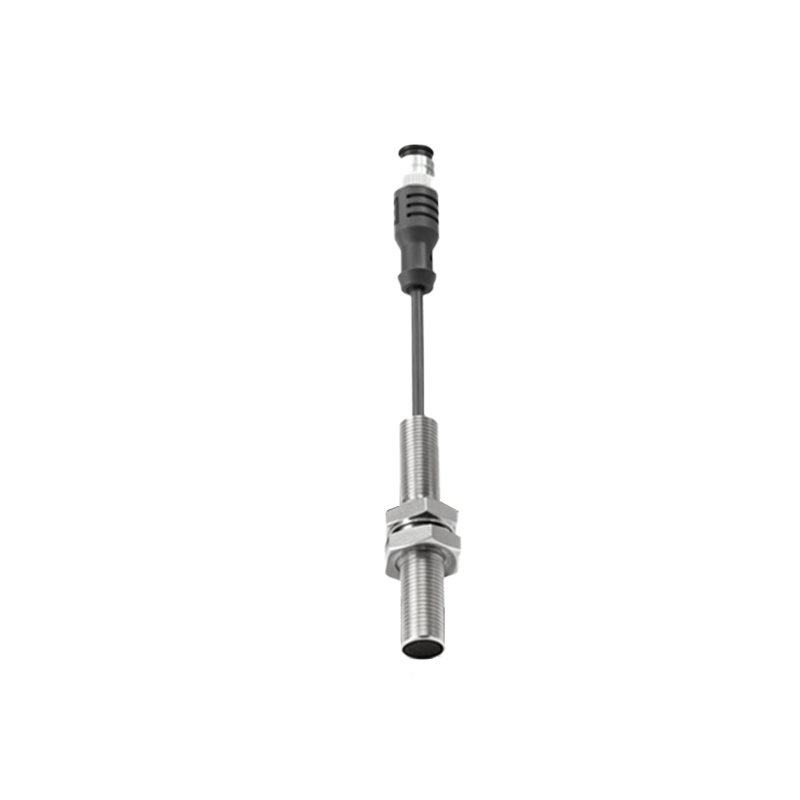
As Industry 4.0 advances, proximity sensors are evolving with IoT connectivity, enabling real-time data collection and predictive maintenance. They form the backbone of smart factories, where seamless integration with PLCs and networks boosts productivity. From enhancing robotic precision to safeguarding human workers, these sensors continue to drive innovation across sectors, proving that their applications are as varied as the industries they serve.
In summary, proximity sensors are vital for automation, safety, and efficiency. Their adaptability to different materials and environments underscores their importance in manufacturing, automotive, packaging, and beyond. By understanding their specific use cases, engineers can optimize systems for peak performance, ensuring that these unassuming devices play a key role in shaping a more automated and responsive world.