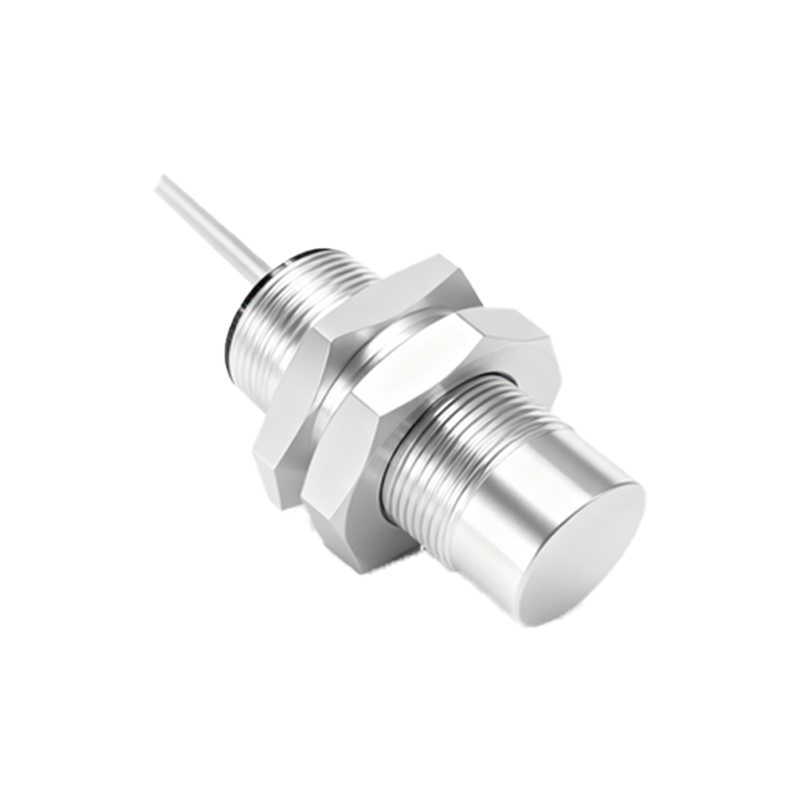
In the realm of industrial automation, proximity switch stability sensors are indispensable components, ensuring precise, reliable, and non-contact detection of objects. These sensors operate on various principles, including inductive, capacitive, ultrasonic, and magnetic technologies, each tailored to specific applications. Inductive proximity switches, for instance, excel in detecting metallic objects without physical contact, leveraging electromagnetic fields to trigger signals when a target enters their sensing range. Their robustness against environmental factors like dust, oil, and moisture makes them ideal for harsh manufacturing environments, such as automotive assembly lines or metalworking facilities.
The stability of these sensors is paramount, as it directly impacts system efficiency and safety. Key factors influencing stability include temperature fluctuations, voltage variations, and electromagnetic interference (EMI). High-quality proximity switches incorporate advanced designs, such as temperature compensation circuits and shielded housings, to mitigate these effects. For example, in packaging machinery, a stable capacitive proximity sensor can consistently detect non-metallic materials like plastic or glass, preventing jams and reducing downtime. Regular calibration and maintenance further enhance longevity, with some models offering self-diagnostic features to alert operators to potential issues before failures occur.
Applications span diverse industries, from robotics and conveyor systems to safety interlocks and liquid level monitoring. In automotive manufacturing, proximity switches ensure components are correctly positioned for welding, while in food processing, they verify container fill levels without contamination risks. The evolution towards Industry 4.0 has integrated these sensors with IoT platforms, enabling real-time data analytics for predictive maintenance and optimized workflows. As technology advances, innovations like miniaturized designs and enhanced sensing ranges continue to push the boundaries, solidifying their role in smart factories. Ultimately, selecting the right proximity switch—based on material, range, and environmental conditions—is crucial for achieving operational excellence and minimizing costly disruptions.