The global demand for precise, reliable, and real-time gas detection has surged across diverse sectors, from industrial safety to environmental monitoring. At the forefront of this technological evolution are laser gas sensor manufacturers, who are driving innovation with solutions that offer unparalleled accuracy, selectivity, and stability. Unlike traditional electrochemical or catalytic bead sensors, laser-based sensors utilize the principle of Tunable Diode Laser Absorption Spectroscopy (TDLAS). This method involves emitting a laser beam at a specific wavelength that is absorbed by the target gas molecule. By measuring the degree of absorption, the sensor can precisely quantify gas concentration, even in complex or harsh environments.
The core advantage of laser gas sensors lies in their exceptional performance characteristics. They exhibit minimal cross-sensitivity to other gases, ensuring that readings for methane, carbon dioxide, ammonia, or hydrogen sulfide are not skewed by the presence of interfering compounds. This specificity is critical in applications like natural gas pipeline monitoring, where false alarms can be costly and disruptive. Furthermore, these sensors require little to no calibration over extended periods, significantly reducing maintenance costs and operational downtime. Their fast response time enables the detection of leaks almost instantaneously, a vital feature for preventing accidents in oil and gas refineries, chemical plants, and semiconductor fabrication facilities.
Leading manufacturers in this field are not merely component suppliers; they are system integrators and solution providers. They invest heavily in research and development to enhance laser diode technology, optical path design, and signal processing algorithms. Modern sensors are now more compact, energy-efficient, and robust than ever before. Many top-tier manufacturers offer sensors housed in explosion-proof enclosures rated for use in hazardous areas, capable of withstanding extreme temperatures, high humidity, and corrosive atmospheres. This durability makes them ideal for permanent installation in remote or unmanned locations, such as offshore platforms or landfill perimeters for methane emissions monitoring.
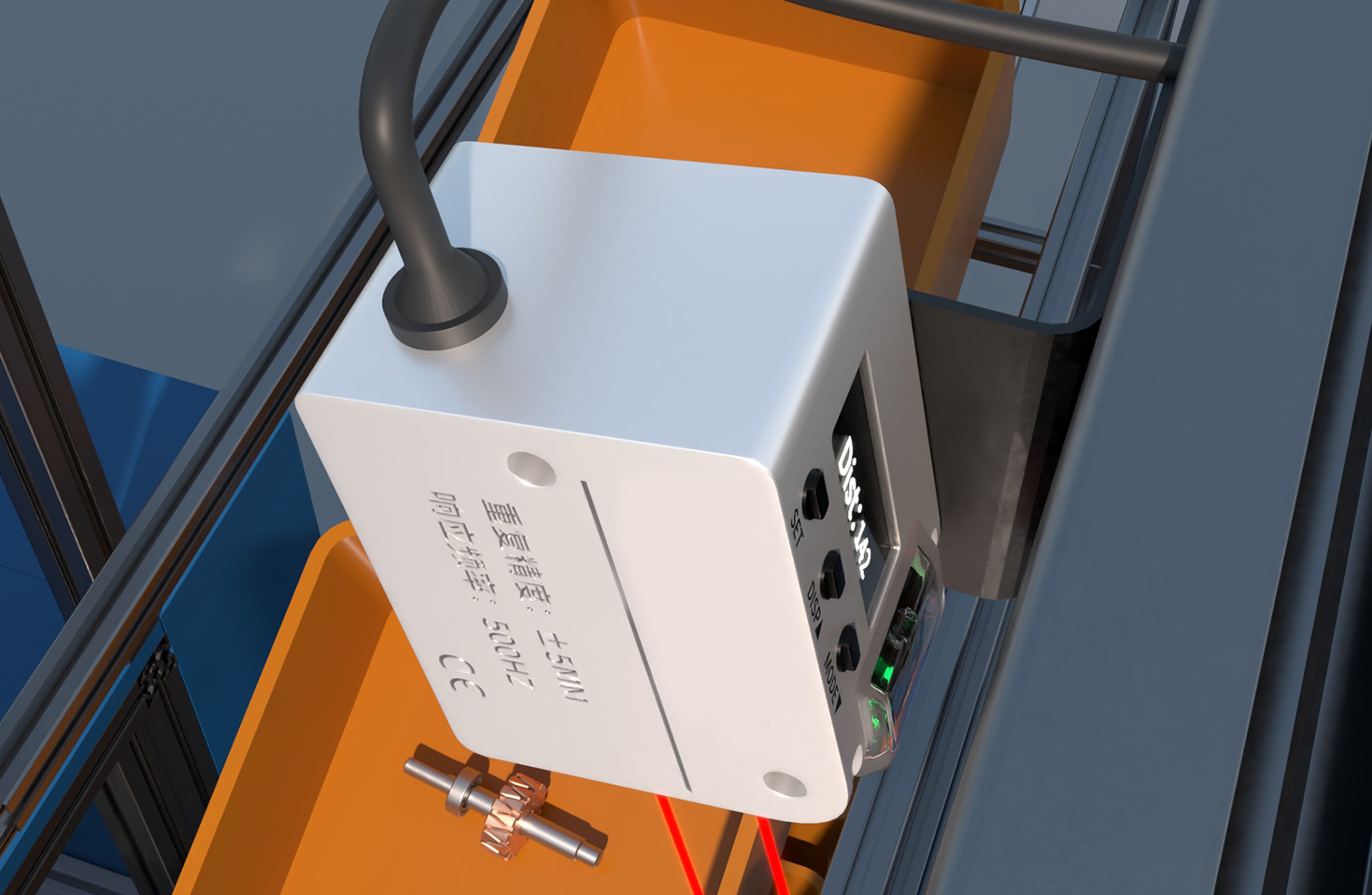
A key trend among innovative manufacturers is the integration of smart features and Industrial Internet of Things (IIoT) connectivity. Sensors are increasingly equipped with digital outputs, onboard diagnostics, and wireless communication modules. This allows for seamless integration into centralized control systems, enabling plant managers to monitor gas levels across vast facilities from a single dashboard. Predictive maintenance algorithms can analyze sensor performance data to alert technicians before a potential failure occurs, transitioning from scheduled maintenance to condition-based upkeep. This connectivity is pivotal for smart city applications, where networks of laser sensors can monitor urban air quality, detecting pollutants like carbon monoxide and nitrogen oxides in real time to inform public health policies.
The application spectrum for laser gas sensors is remarkably broad. In the energy sector, they are indispensable for leak detection in upstream, midstream, and downstream operations. In automotive and aerospace testing, they measure engine exhaust components with high precision. In agricultural and pharmaceutical industries, they control atmospheric conditions in fermentation processes and storage facilities. Perhaps one of the most critical emerging applications is in the fight against climate change, where these sensors provide verifiable data on greenhouse gas emissions from industrial sites, supporting regulatory compliance and corporate sustainability goals.
Choosing the right laser gas sensor manufacturer is a strategic decision. Factors to consider include the manufacturer’s proven track record in the desired application, the availability of technical support and calibration services, the flexibility to provide custom solutions, and the overall system cost beyond the initial purchase price. Reputable manufacturers often have extensive certification portfolios, such as ATEX, IECEx, SIL, and UL, which testify to the safety and reliability of their products. They also provide comprehensive documentation, from detailed datasheets to application notes, assisting engineers in the proper selection and implementation of the technology.

As environmental regulations tighten and industries prioritize operational safety and efficiency, the role of laser gas sensor manufacturers becomes increasingly vital. Their continuous advancements are making sensitive, selective, and stable gas detection more accessible and affordable. The future will likely see further miniaturization, the development of sensors for new and exotic gas species, and deeper integration with artificial intelligence for advanced data analytics. By partnering with a capable and innovative manufacturer, businesses can not only meet current safety and compliance standards but also future-proof their operations with a technology that is setting a new benchmark for performance in gas sensing.
