Capacitive proximity sensors are widely utilized in industrial automation for non-contact detection of various objects, including metals, plastics, liquids, and granular materials. Their operation relies on changes in capacitance between the sensor's electrode and the target object. While known for versatility, achieving high accuracy in capacitive sensing demands careful consideration of multiple influencing factors.
The fundamental accuracy of a capacitive sensor is governed by its sensitivity to dielectric constant variations. Different materials possess distinct dielectric properties, directly impacting the sensing distance and signal strength. For instance, materials with high dielectric constants, such as water or metals, are detected at greater ranges compared to low-dielectric materials like dry wood or certain plastics. Calibration for a specific material is essential; however, environmental changes can introduce errors if not compensated.
Environmental conditions significantly affect precision. Temperature fluctuations alter the dielectric constant of both the target and the surrounding medium, potentially causing drift in the detection point. High humidity or condensation on the sensor face can create parasitic capacitance, leading to false triggers or reduced sensitivity. Similarly, airborne contaminants like dust or oil mist may accumulate on the sensor, gradually modifying its electrostatic field and degrading long-term accuracy.
Electrical interference is another critical challenge. Capacitive sensors are susceptible to noise from adjacent high-voltage equipment, variable frequency drives, or rapidly switching loads. This electromagnetic interference (EMI) can induce erratic output signals. Proper shielding, grounding, and maintaining adequate separation from noise sources are mandatory in industrial installations. Additionally, sensors operating in close proximity may interfere with each other; thus, maintaining minimum mounting distances as per manufacturer specifications is crucial.
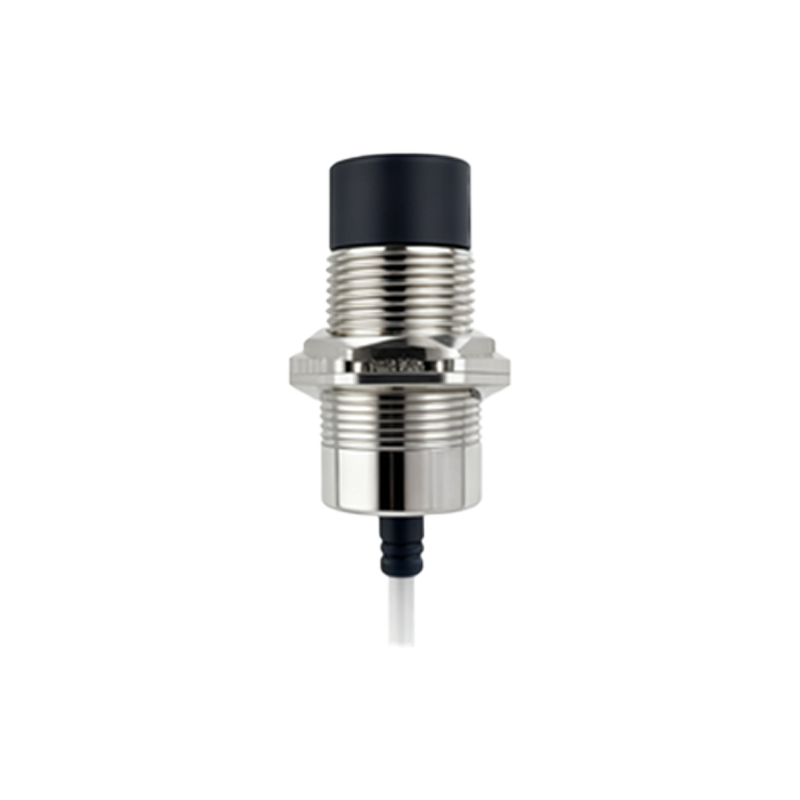
The sensor's mechanical design and installation profoundly influence performance. The size and shape of the sensing area determine the field distribution. Larger sensors generally offer longer ranges but may have reduced resolution for small objects. Mounting in metallic surroundings requires flush-mounted models to avoid the influence of the mounting base (ground plane). Non-flush sensors allow longer ranges but are sensitive to surrounding metals. Incorrect mounting can cause the sensor to detect the background rather than the target, severely compromising accuracy.
Signal processing and sensor electronics play a pivotal role. Advanced sensors incorporate microprocessors that implement algorithms for temperature compensation, noise filtering, and response time adjustment. Adjustable sensitivity settings allow tuning for specific applications, enabling the suppression of background effects. However, excessive sensitivity reduction can diminish accuracy for legitimate targets. The response time setting must balance speed and stability; a very fast response might capture noise, while a slow response could miss rapid object movements.
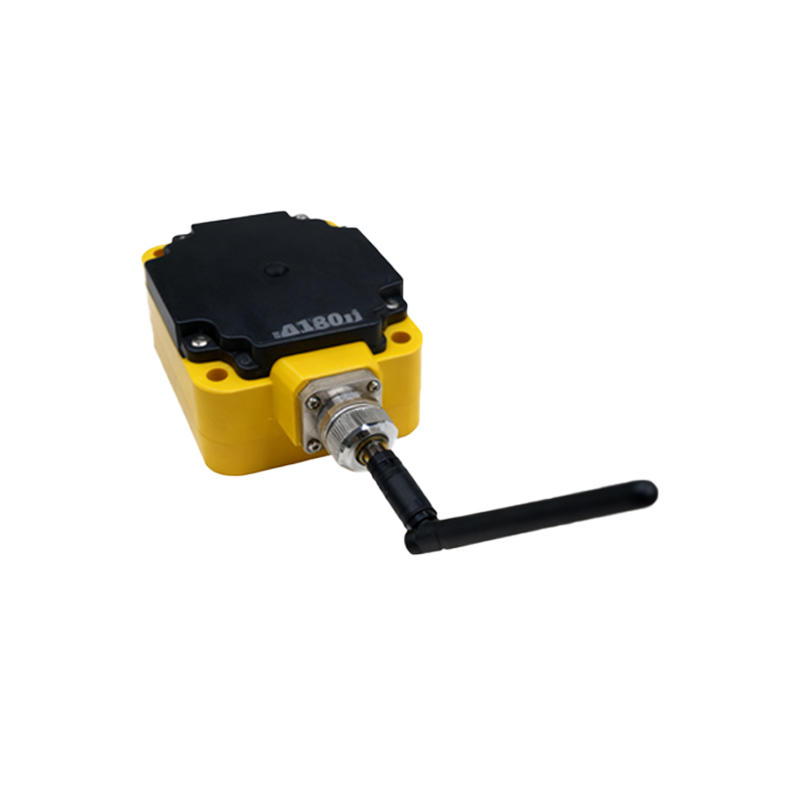
To optimize capacitive sensor accuracy, a systematic approach is recommended. First, select a sensor with an appropriate sensing range and frequency response for the application. Ensure the operating voltage is stable, as voltage dips can affect performance. During installation, follow guidelines for clearance from surrounding objects and use shielded cables in high-noise environments. Regular maintenance, including cleaning the sensor face and checking for physical damage, helps sustain accuracy over time. For critical applications, periodic recalibration against a known standard is advisable.
In conclusion, while capacitive proximity sensors offer flexible detection capabilities, their accuracy is not inherent but results from thoughtful selection, proper installation, and environmental management. Understanding the interplay of material properties, electrical noise, mechanical setup, and internal signal conditioning is key to reliable operation. By addressing these factors, engineers can harness the full potential of capacitive sensing for precise, consistent object detection in diverse industrial settings.