Infrared proximity sensors are pivotal components in modern industrial automation, offering non-contact detection capabilities that enhance efficiency and safety. These sensors operate by emitting an infrared light beam and measuring the reflection from a target object. When the reflected signal reaches a predetermined threshold, the sensor triggers an output signal, typically used to control machinery, count objects, or prevent collisions. Unlike mechanical switches, infrared sensors eliminate physical wear, providing longer service life and reduced maintenance costs in harsh environments such as manufacturing lines, robotics, and material handling systems.
The core technology behind infrared proximity sensors involves an IR LED emitter and a phototransistor or photodiode receiver. The emitter generates light in the infrared spectrum, invisible to the human eye, which travels toward the target. Upon hitting an object, the light reflects back to the receiver. The sensor's circuitry then analyzes the intensity of the reflected light to determine proximity. Advanced models incorporate modulation techniques to filter out ambient light interference, ensuring reliable operation under varying conditions like sunlight or artificial lighting. This makes them suitable for applications ranging from simple object detection to complex positioning tasks.
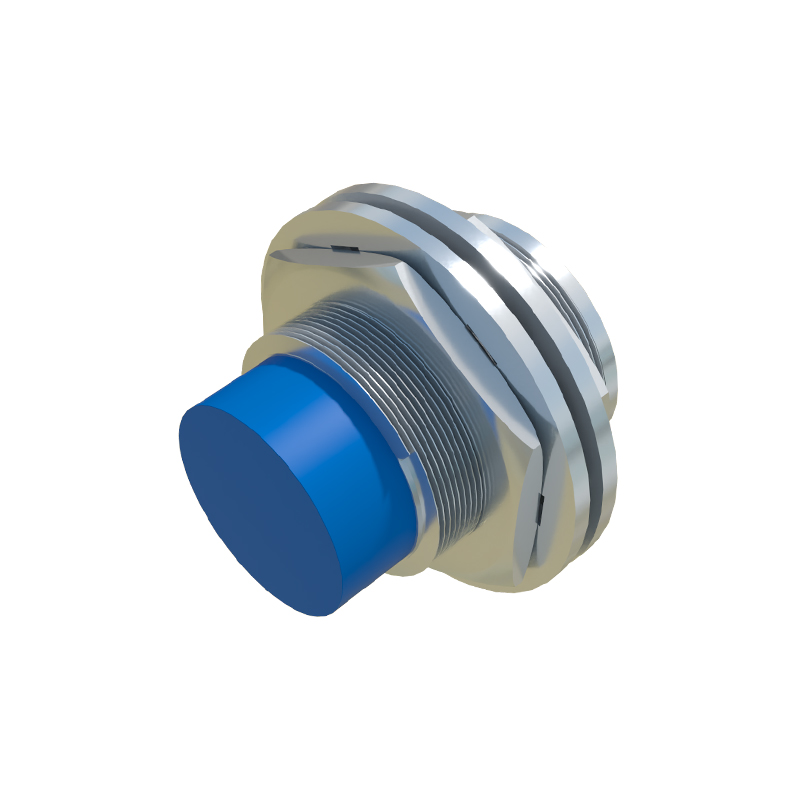
Key advantages of infrared proximity sensors include high precision, fast response times, and immunity to electromagnetic noise. They can detect a wide range of materials, including non-metallic objects like plastic or glass, which may challenge other sensor types. However, factors such as target color, surface texture, and environmental contaminants can affect performance. For instance, dark or absorbent surfaces may reflect less IR light, requiring calibration or sensor selection based on specific use cases. Regular cleaning of lenses is recommended to prevent dust or debris from obstructing the beam.
In industrial settings, these sensors are often integrated into programmable logic controllers (PLCs) and IoT systems for real-time monitoring. Common applications include conveyor belt automation, where they detect product presence to trigger sorting mechanisms; robotic arms, ensuring safe proximity to humans or obstacles; and packaging machinery, verifying item placement. With the rise of Industry 4.0, infrared sensors are evolving to include smart features like self-diagnostics and digital communication protocols (e.g., IO-Link), enabling predictive maintenance and data-driven optimization.
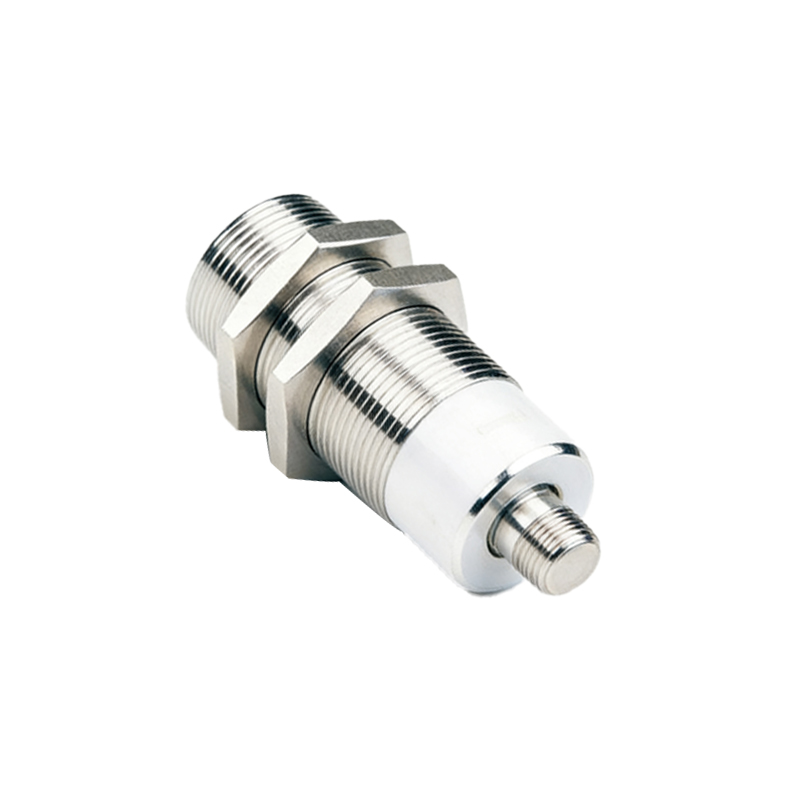
When selecting an infrared proximity sensor, engineers must consider parameters such as sensing distance, beam pattern, and output type (e.g., NPN/PNP). Sensing distances can vary from a few millimeters to several meters, with diffuse, retro-reflective, or through-beam configurations offering flexibility for different layouts. Environmental ratings, like IP67 for dust and water resistance, are crucial for durability in demanding plants. As automation advances, infrared sensors continue to play a vital role in enhancing productivity, with ongoing innovations focusing on miniaturization, energy efficiency, and integration with AI for adaptive control systems.