In the realm of industrial automation and precision measurement, the demand for reliable, accurate, and noise-immune sensing solutions is paramount. Among the various technologies available, differential signal proximity sensors have emerged as a sophisticated and highly effective choice for critical applications. Unlike their single-ended counterparts, these sensors leverage a differential signaling methodology to deliver superior performance in challenging electromagnetic environments. This article delves into the operational principles, key advantages, and typical industrial use cases of these advanced sensing devices.
At its core, a differential signal proximity sensor operates by generating and measuring two complementary voltage signals. The sensor's oscillator circuit produces a high-frequency electromagnetic field from its active face. When a metallic target enters this field, eddy currents are induced in the target, causing a change in the oscillation amplitude. The fundamental innovation lies in how this change is processed. Instead of measuring a single signal against a common ground reference, the sensor's circuitry measures the voltage difference between two carefully designed, anti-phase signals (often labeled as Signal+ and Signal-). Any common-mode interference—such as electrical noise from nearby motors, variable frequency drives, or power lines—affects both signal lines equally. The differential amplifier at the receiver stage effectively cancels out this identical noise, amplifying only the true difference signal that represents the target's presence or distance.
The advantages conferred by this differential design are substantial and address common pain points in industrial settings. First and foremost is exceptional noise immunity. In factories dense with electrical equipment, electromagnetic interference (EMI) can cause false triggering or measurement drift in standard sensors. Differential sensors dramatically reduce this susceptibility, ensuring stable and repeatable operation. This leads directly to the second major benefit: increased sensing accuracy and stability. By rejecting common-mode noise, the signal-to-noise ratio is significantly improved, allowing for more precise detection of small targets or finer distance resolution. Furthermore, these sensors typically offer extended sensing ranges compared to similar-sized single-ended models, as the differential processing allows for weaker genuine signals to be reliably detected above the noise floor. They also exhibit greater robustness against temperature variations and power supply fluctuations, as these factors often manifest as common-mode disturbances.
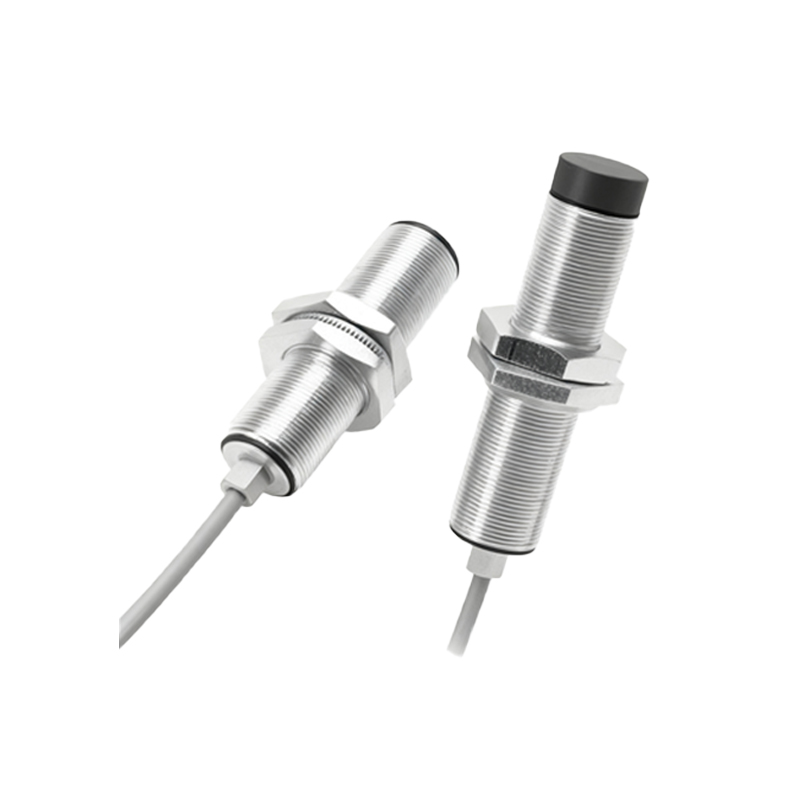
The implementation of differential signaling also enhances the integrity of the signal over longer cable runs. In large-scale automation systems where sensors may be located far from the controller, cables can act as antennas, picking up ambient noise. Differential transmission over a twisted-pair cable is inherently more resistant to such capacitive or inductive coupling, preserving the quality of the measurement signal from the sensor head to the evaluation unit. This makes them ideal for distributed I/O systems and applications requiring remote sensor placement.
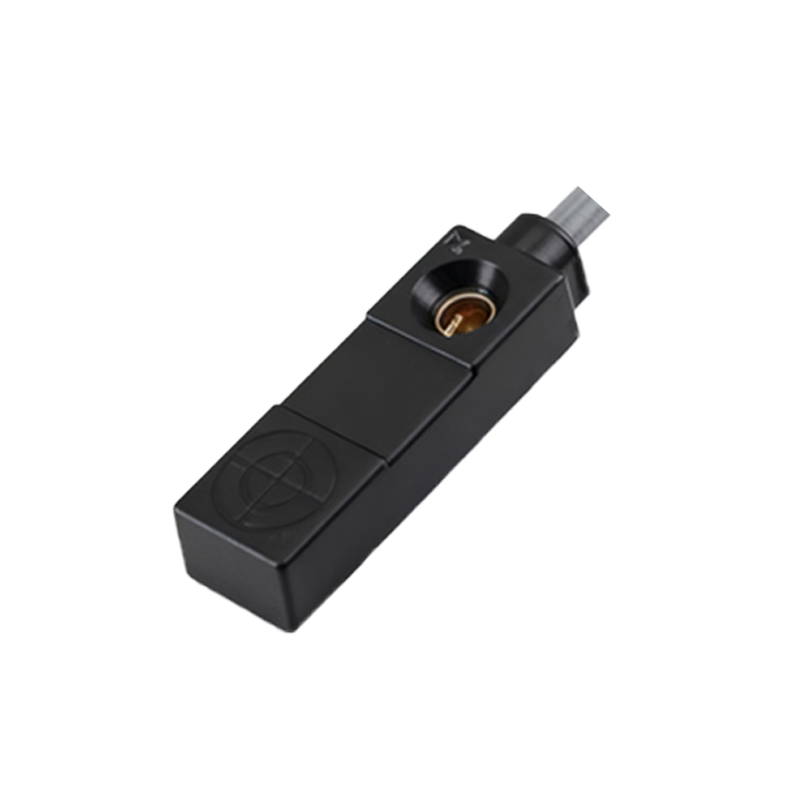
Typical industrial applications for differential signal proximity sensors are found where reliability cannot be compromised. In precision machining centers, such as CNC lathes or grinding machines, they are used for tool wear monitoring, tool breakage detection, and part presence verification. Any false signal here could lead to catastrophic machine damage or production of defective parts. In robotic automation, particularly in welding cells where high-current welding guns generate intense EMI, differential sensors reliably perform tasks like gripper jaw positioning, weld seam tracking, and part positioning. The automotive manufacturing industry employs them extensively in assembly lines for critical gap and flush measurement between body panels, where micron-level accuracy is required amidst a noisy electrical environment. They are also indispensable in material handling systems for detecting metallic objects on high-speed conveyors and in cleanroom environments for semiconductor fabrication equipment, where electrical noise must be meticulously filtered out.
When selecting a differential proximity sensor, engineers must consider factors such as the target material (ferrous or non-ferrous metals), the required sensing distance, output type (analog 4-20mA, IO-Link, or digital switches), and environmental ratings (IP67, IP69K). Proper installation is also crucial; ensuring the sensor is correctly grounded and cables are routed away from high-noise sources maximizes the inherent benefits of the differential technology.
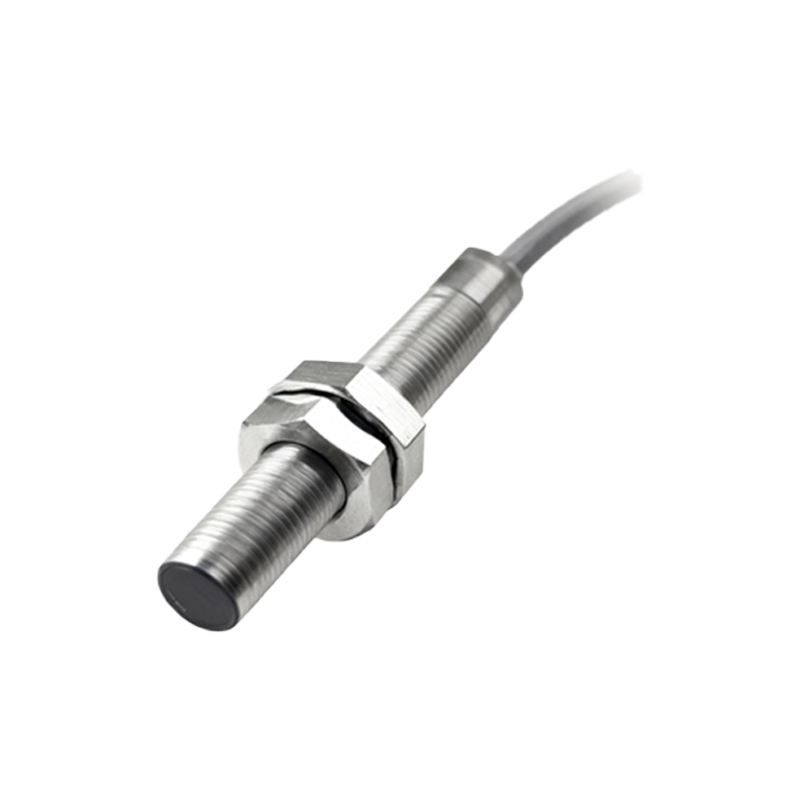
In conclusion, differential signal proximity sensors represent a significant advancement in sensing technology. By intelligently utilizing a two-wire differential measurement principle, they solve the pervasive problem of electromagnetic interference in industrial plants. Their enhanced accuracy, stability, and long-range reliability make them a preferred, albeit often higher-initial-cost, solution for demanding applications. As industries continue to push towards greater automation, precision, and data integrity, the role of robust differential sensing solutions will only become more central to achieving these goals.