Proximity ring sensors, also known as ring-type inductive proximity sensors, are critical components in modern industrial automation. Their lifespan is a key factor influencing system reliability, maintenance costs, and overall operational efficiency. Unlike many electronic components, the longevity of a proximity ring sensor is not defined by a simple time-based metric but by a complex interplay of operational conditions, environmental factors, and inherent design characteristics.
The core principle of an inductive proximity ring sensor involves generating an electromagnetic field from a coil wound in a ring shape. When a metallic target passes through the aperture, it disturbs this field, triggering a switching signal. The primary wear mechanism is not mechanical but electrical and environmental. The oscillator circuit, output switching elements (like transistors), and the coil itself are subject to gradual electrical stress. Continuous cycling, especially at high frequencies, generates heat within the sensor's electronics. While modern sensors are designed to handle this, sustained operation near the maximum specified temperature rating will accelerate the aging of electronic components, particularly capacitors and semiconductors, ultimately leading to failure.
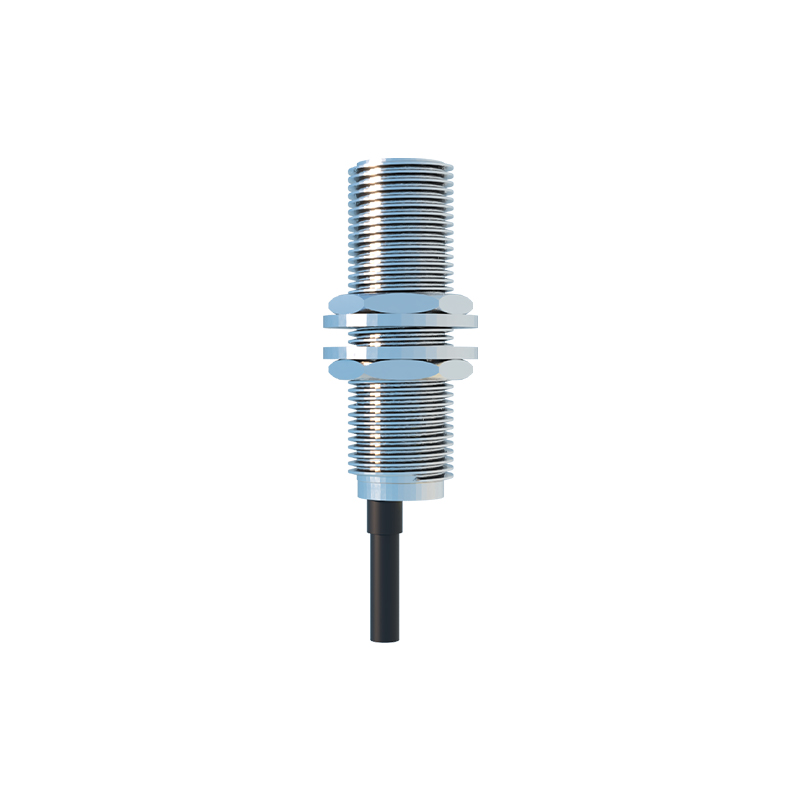
Environmental factors are often the dominant determinant of lifespan. Contaminants such as metallic dust, chips, and conductive liquids pose a severe threat. Metallic particles can adhere to the sensing face or accumulate inside the ring aperture, potentially causing false triggering or damping the oscillation to a point of permanent signal loss. Non-conductive but abrasive materials like sand or ceramic dust can physically erode the sensor's housing and the protective coating (often made of PBT or PPS plastics) over time, compromising its integrity. Chemical exposure, including oils, coolants, solvents, and aggressive cleaning agents, can degrade housing materials, seals, and cable jackets. Moisture ingress, whether from humidity, condensation, or direct splash, is a leading cause of premature failure, leading to internal corrosion and short circuits.
Electrical considerations are equally crucial. Voltage spikes and transients on the supply lines, often from nearby inductive loads like motors or solenoids, can overwhelm the sensor's internal protective circuits. Consistent operation outside the specified voltage range, either above or below, stresses the voltage regulator and other components. The load connected to the sensor's output also matters; excessive inrush current from a solenoid or a short-circuit condition can damage the output stage.
Manufacturers typically specify lifespan in terms of operational cycles under defined conditions. A high-quality proximity ring sensor from a reputable manufacturer can reliably achieve hundreds of millions, even billions, of switching cycles. However, this theoretical number assumes ideal conditions: room temperature, clean environment, stable power supply, and operation within all electrical specifications. In harsh real-world applications—such as metal stamping, machining centers, or welding lines—the actual service life can be significantly shorter.
To maximize the lifespan of a proximity ring sensor, a proactive approach is essential. Correct selection is the first step: choose a sensor with an appropriate housing material (e.g., stainless steel for harsh chemical environments), a sufficient IP rating (IP67 or IP69K for washdown areas), and a temperature rating exceeding the maximum ambient temperature. Proper installation is critical. Ensure adequate clearance around the sensor to prevent physical damage from machinery. Use shielded cables, grounded correctly, to minimize electromagnetic interference. Implement protective electrical measures such as surge suppressors and proper fusing on the supply line.
Regular preventive maintenance can dramatically extend service life. This includes periodic visual inspection for physical damage or buildup of contaminants. The sensing face and ring aperture should be kept clean using appropriate methods (e.g., compressed air for dust, not abrasive wipes). Checking electrical connections for tightness and corrosion prevents intermittent faults. Monitoring the operating temperature of the sensor through thermal imaging or touch can provide early warning of overload conditions.
Ultimately, understanding that the lifespan is a variable, not a fixed number, is key. By recognizing the stressors—thermal, environmental, electrical, and mechanical—and actively mitigating them through careful selection, installation, and maintenance, engineers and maintenance personnel can ensure that proximity ring sensors deliver their full potential in reliability and longevity, minimizing unplanned downtime and contributing to a robust, efficient automation system.