Proximity sensor switches are indispensable components in modern industrial automation, robotics, and control systems. These non-contact sensors detect the presence or absence of an object within a defined sensing range, triggering an electrical signal without physical contact. This capability ensures high reliability, long operational life, and minimal maintenance, making them superior to traditional mechanical limit switches. The selection of the appropriate proximity switch type is critical for system performance, influenced by factors such as target material, sensing distance, environmental conditions, and required output configuration. This guide delves into the primary types of proximity sensor switches, their operating principles, key specifications, and typical industrial applications.
The most prevalent categories are inductive, capacitive, ultrasonic, and photoelectric proximity sensors. Inductive proximity sensors are widely used for detecting metallic objects. They operate on the principle of electromagnetic induction. The sensor generates an oscillating electromagnetic field from its coil. When a ferrous or non-ferrous metal target enters this field, eddy currents are induced in the target, causing a change in the oscillation amplitude. This change is detected by the sensor's circuitry, which subsequently switches the output state. Inductive sensors are robust, resistant to dirt and moisture (often rated IP67 or higher), and excel in harsh industrial environments. Common applications include position sensing of machine parts, metal detection in conveyor systems, and end-of-travel detection in actuators. Their sensing range is typically limited to a few millimeters to several centimeters, depending on the sensor size and target material.
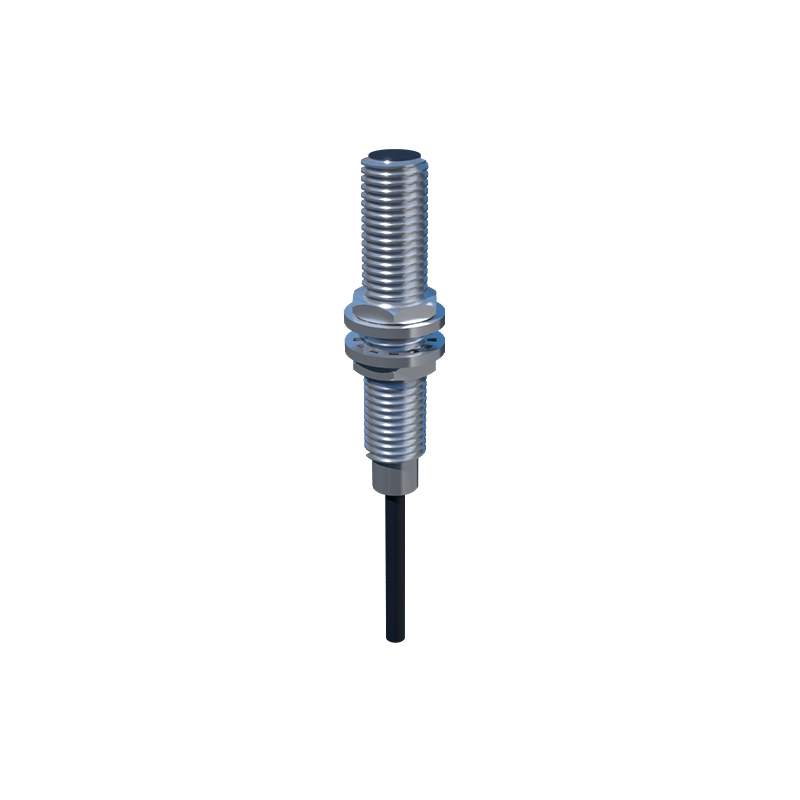
Capacitive proximity sensors can detect both metallic and non-metallic materials, including liquids, plastics, glass, and wood. They function by generating an electrostatic field. The sensor and the target act as two plates of a capacitor. As the target approaches the sensor's active face, it alters the capacitance of the circuit. When this change reaches a preset threshold, the output switches. These sensors are ideal for applications involving material level detection in tanks (e.g., liquids, granules, powders), presence detection of non-metallic objects, and even seeing through certain thin-walled containers. Sensitivity adjustment is a key feature, allowing engineers to tune the sensor to ignore certain materials or container walls.
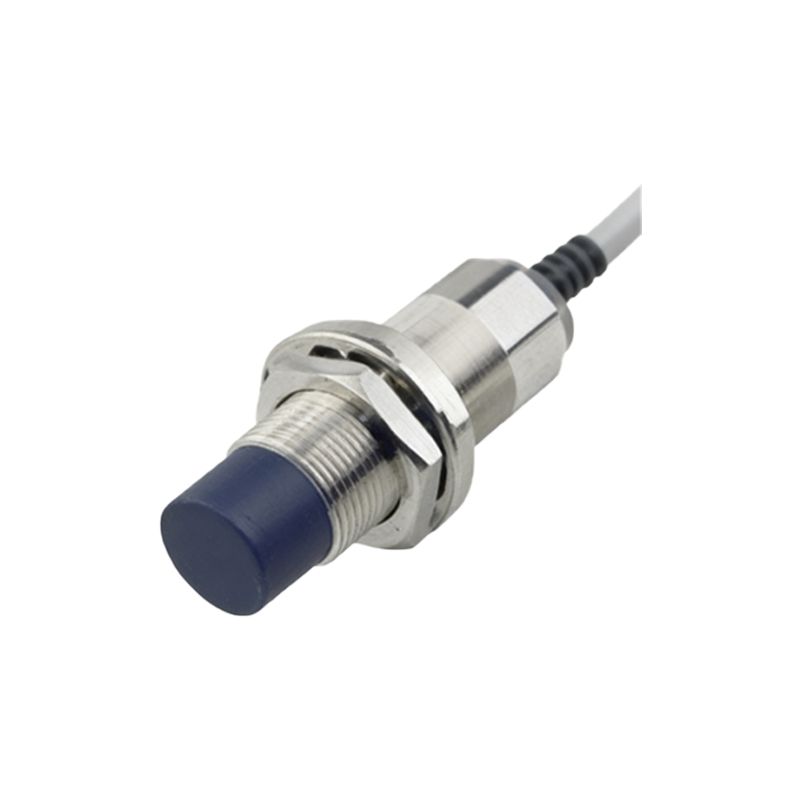
Ultrasonic proximity sensors utilize sound waves beyond the human hearing range. They emit high-frequency ultrasonic pulses and measure the time taken for the echo to return after reflecting off a target object. By calculating the time-of-flight, the sensor determines the distance to the object. This technology enables reliable detection of objects regardless of their color, transparency, or material composition, making it highly versatile. They offer longer sensing ranges compared to inductive and capacitive types, often from a few centimeters up to several meters. Applications are found in object detection on automated guided vehicles (AGVs), liquid level sensing, and stack height measurement in warehouses. Environmental factors like temperature, air turbulence, and sound-absorbing materials can affect performance.
Photoelectric sensors, while sometimes categorized separately, are a crucial proximity sensing technology. They use a light emitter (usually LED or laser) and a receiver. In the proximity (diffuse) mode, the sensor detects light reflected directly from the target. When the reflected light intensity exceeds a set level, the output is activated. They are excellent for detecting small objects, offer very long sensing ranges, and can sense virtually any material. Variants include through-beam (separate emitter and receiver) and retro-reflective types for longer-range applications. Common uses include part counting on production lines, bottle detection in packaging, and break detection in web processes.
Key specifications for selection include sensing distance (rated and effective), repeat accuracy, response frequency, output type (PNP/NPN, NO/NC, analog), housing material (e.g., nickel-plated brass, stainless steel), and environmental protection rating. Electrical interfacing is predominantly DC (10-30V DC), with 2-wire, 3-wire, and 4-wire configurations available.
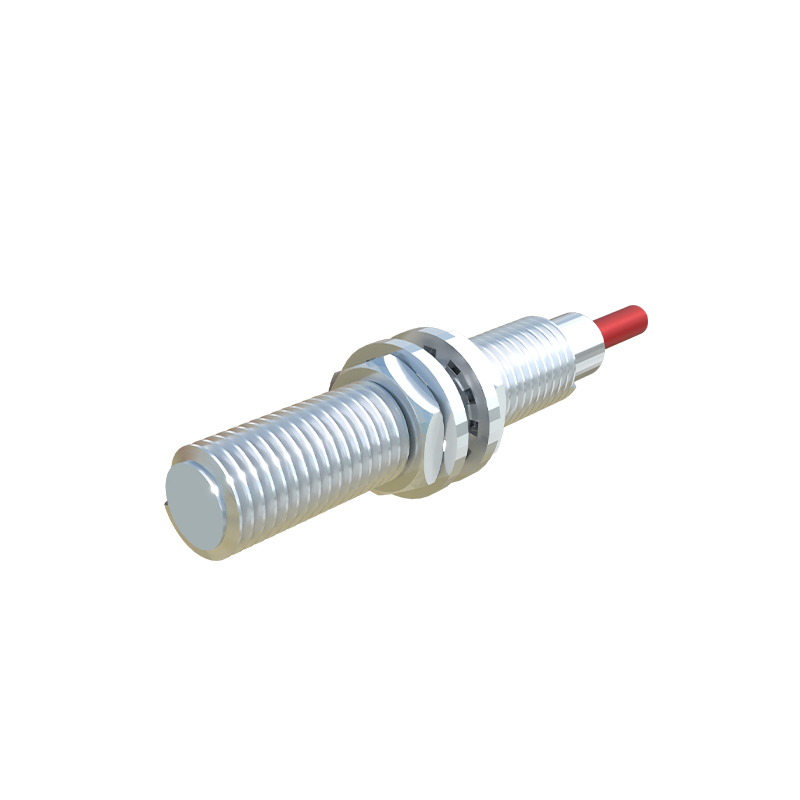
In conclusion, understanding the distinct operating principles and capabilities of inductive, capacitive, ultrasonic, and photoelectric proximity switches is fundamental for optimal system design. Inductive sensors are the workhorse for metals in tough conditions, capacitive sensors handle diverse materials including liquids, ultrasonic sensors provide versatile long-range detection, and photoelectric sensors offer precision for a vast array of objects. A thorough analysis of the application requirements will guide the electrical engineer toward the most reliable and cost-effective proximity sensing solution.