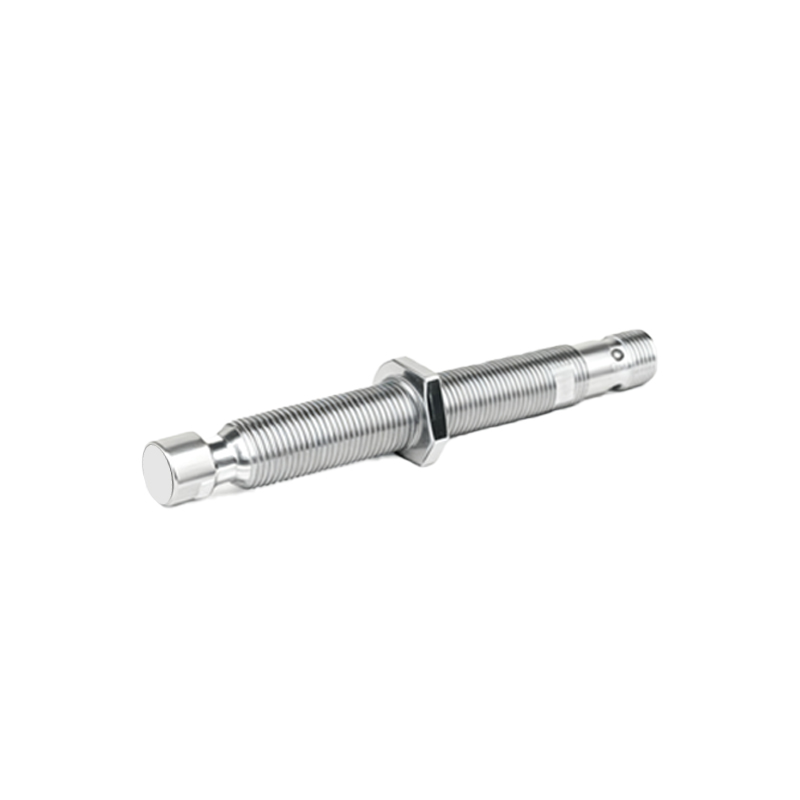
In the realm of industrial automation and control, the ability to detect the presence, absence, or position of an object without physical contact is a fundamental requirement. This is where general-purpose proximity sensors, often simply called proximity sensors, become indispensable components. These robust, non-contact devices are engineered to perform reliably in diverse and often demanding environments, from factory floors to material handling systems. Their core function is to detect a target object within a specified sensing range and convert this detection into an electrical signal, typically a switching output, for further processing by a control system like a PLC (Programmable Logic Controller).
The operational principle of a proximity sensor hinges on its specific technology. The most prevalent types are inductive, capacitive, and photoelectric sensors. Inductive proximity sensors are the workhorses for detecting metallic objects. They generate an electromagnetic field from a coil in the sensing face. When a ferrous or non-ferrous metal target enters this field, it induces eddy currents, causing a change in the oscillation amplitude. The sensor's internal circuitry detects this change and triggers the output switch. These sensors are highly reliable, resistant to environmental factors like dust, oil, and moisture, and are ideal for applications such as counting metal parts, detecting piston position in cylinders, or as end-of-travel limit switches.
Capacitive proximity sensors, on the other hand, can detect both metallic and non-metallic materials, including liquids, plastics, glass, and wood. They function by generating an electrostatic field. Any object that enters this field alters the sensor's capacitance. Once this change reaches a predetermined threshold, the sensor activates its output. This makes capacitive sensors perfect for applications like liquid level detection in non-metallic tanks, monitoring fill levels of granular materials, or detecting the presence of paper or wood products on a conveyor line.
Photoelectric sensors utilize light beams to detect objects. They consist of a light emitter (usually an LED) and a receiver. When the emitted light beam is interrupted or reflected by a target object, the receiver detects the change in light intensity, prompting an output signal. They offer the longest sensing ranges among general-purpose proximity sensors and are excellent for detecting objects of virtually any material, provided they are not perfectly transparent to the sensor's light wavelength. Common configurations include through-beam (separate emitter and receiver), retro-reflective (uses a reflector), and diffuse (reflective) models. Applications are vast, ranging from object detection on high-speed packaging lines to bottle cap presence verification.
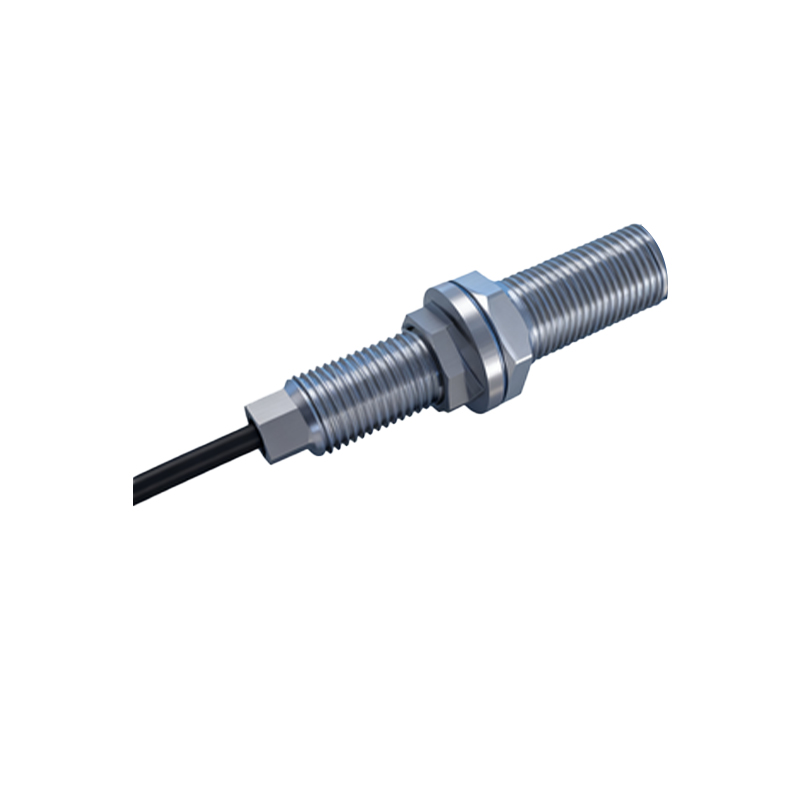
Selecting the appropriate general-purpose proximity sensor requires careful consideration of several key parameters. The sensing range, or the maximum distance at which the sensor can reliably detect a standard target, is primary. It's crucial to account for installation tolerances and never operate at the absolute maximum limit. The target material directly dictates the choice between inductive, capacitive, or photoelectric technology. Environmental conditions are equally critical; sensors may need specific ingress protection (IP) ratings for dust and water resistance, temperature ratings for extreme environments, and immunity to electrical noise or welding spatter. Output configuration is another vital factor, with options typically being NPN (sinking) or PNP (sourcing) transistor outputs, or sometimes analog outputs for distance-proportional signals, with 2-wire and 3-wire DC models being standard.
Installation and wiring practices significantly impact sensor performance and longevity. Proper mounting, ensuring the correct orientation and clearance from surrounding metal (for inductive sensors), is essential to avoid false triggers or reduced sensing distance. Electrical wiring must follow manufacturer guidelines, paying close attention to polarity for DC sensors and incorporating protective devices like surge suppressors in circuits with inductive loads (relays, solenoids) to prevent voltage spikes from damaging the sensor's output transistor.
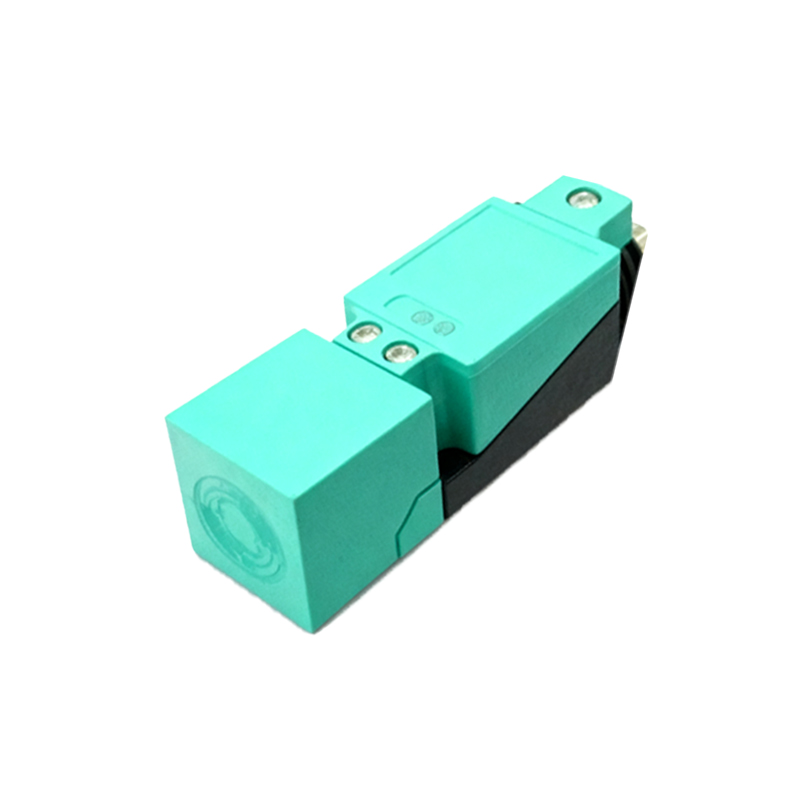
In summary, general-purpose proximity sensors are versatile, reliable, and critical elements in modern industrial systems. Understanding the distinct operating principles of inductive, capacitive, and photoelectric types allows engineers and technicians to make informed selection decisions based on the target material, required sensing distance, and environmental challenges. Proper application, installation, and maintenance ensure these sensors provide years of trouble-free service, forming the essential sensory layer that enables precise, efficient, and automated control across countless industries.