In the realm of industrial automation and control systems, reliable and non-contact sensing is paramount. Among the various technologies available, Hall Effect magnetic proximity switches stand out for their durability, precision, and versatility. These solid-state devices operate without physical contact, making them ideal for harsh environments where dirt, moisture, or mechanical wear could compromise performance. This article delves into the operational principles, key advantages, common applications, and critical selection criteria for these essential components.
The fundamental principle behind a Hall Effect magnetic proximity switch is the Hall Effect, discovered by Edwin Hall in 1879. When a current-carrying conductor is placed within a magnetic field, a voltage difference—known as the Hall voltage—is generated perpendicular to both the current and the field. In a Hall Effect sensor, this conductor is typically a thin semiconductor element. A permanent magnet, often integrated into a moving target or actuator, provides the necessary magnetic field. When the magnet approaches the sensor face within a specified range, the resulting Hall voltage triggers an internal electronic circuit, which switches the output state. This output is usually a solid-state transistor (PNP or NPN) providing a clean, bounce-free signal to a PLC, counter, or other control device.
The advantages of Hall Effect magnetic switches over mechanical limit switches or other proximity sensors are significant. Firstly, their solid-state design ensures an exceptionally long operational life, often rated in millions of cycles, as there are no moving parts to wear out. They are inherently immune to contamination from dust, oil, and non-ferrous chips. Their switching frequency is very high, allowing for detection of rapidly moving targets. Furthermore, they are not affected by ambient light, unlike optical sensors, and provide precise, repeatable switching points. The output signal is digital and stable, with minimal hysteresis.
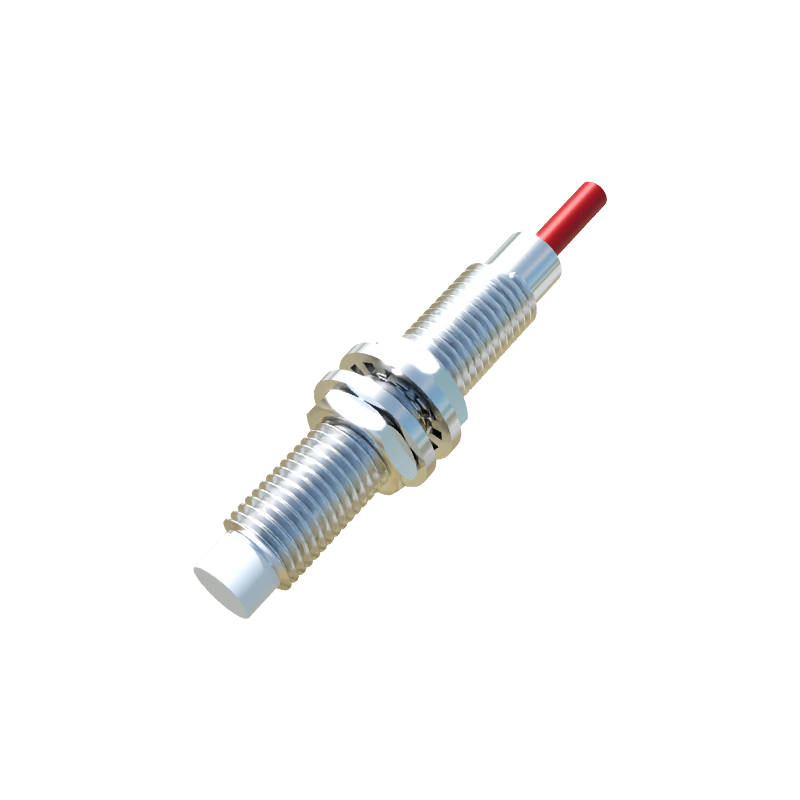
Typical applications span numerous industries. In automotive systems, they are used for gearbox speed sensing, seat belt detection, and brake pedal position sensing. In factory automation, they serve as end-of-travel limit switches on linear actuators, cylinder position feedback, and rotary speed detection on conveyor shafts or motors. They are also prevalent in consumer electronics for detecting flip/slide phone covers or laptop lid positions. A key application is in safety systems, such as interlock switches on machine guards, where their non-contact nature and reliability are critical.
Selecting the appropriate Hall Effect magnetic proximity switch requires careful consideration of several parameters. The sensing distance is crucial and must be matched to the application's mechanical tolerances. Output configuration (PNP sourcing, NPN sinking, NO/NC) must be compatible with the control system's input card. The supply voltage range (commonly 5-24V DC) must be adhered to. Housing material (often stainless steel, brass, or PBT plastic) should be chosen based on the environmental conditions, including exposure to chemicals, temperature extremes, and potential physical impact. Electrical connection types, such as pre-wired cables or quick-disconnect plugs, affect installation ease. Finally, the switching frequency must exceed the maximum target speed to ensure no pulses are missed.
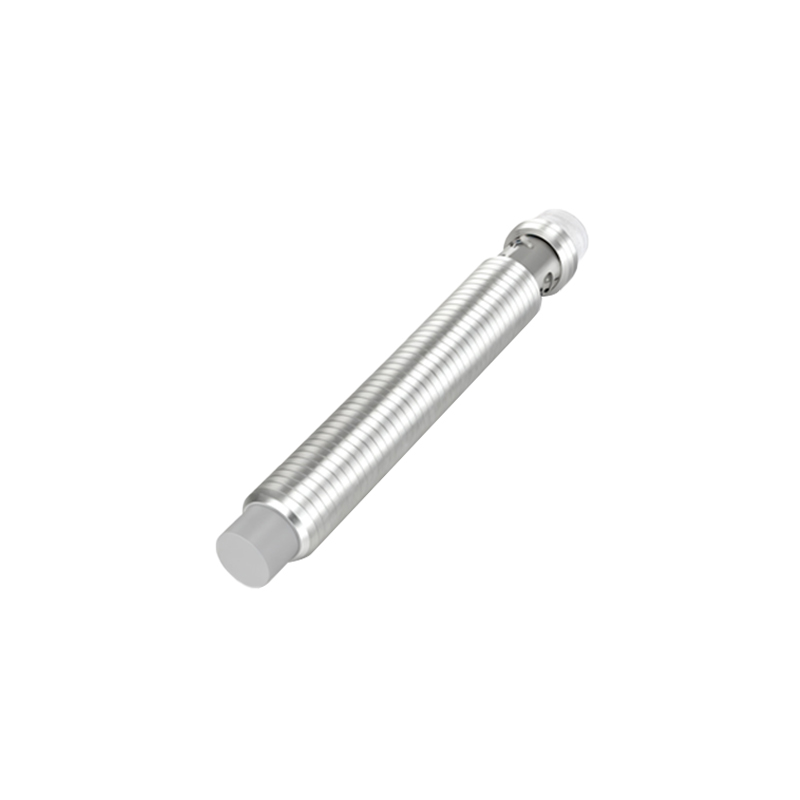
Installation and alignment are straightforward but vital. The sensor must be mounted securely to prevent vibration-induced movement. The magnet's approach direction should be perpendicular to the sensor's active face for maximum sensing distance. It is important to maintain the specified gap and avoid ferrous metal debris in the sensing zone, which could cause false triggering. For cylinder mounting, sensors are often paired with pre-magnetized pistons or magnetic bands.
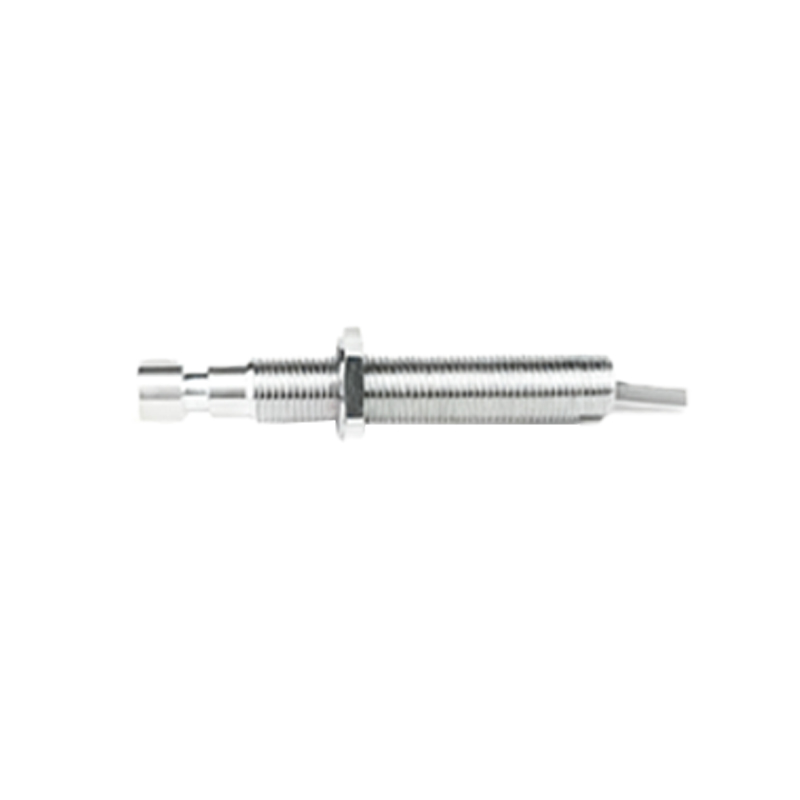
In conclusion, Hall Effect magnetic proximity switches are a robust and reliable solution for non-contact position and speed sensing. Their principle of operation, leveraging a fundamental physical effect, grants them superior performance in demanding industrial settings. By understanding their characteristics and carefully selecting based on electrical, mechanical, and environmental requirements, engineers can ensure optimal system reliability and longevity. As automation continues to advance, these versatile sensors will remain a cornerstone of precise and maintenance-free control.