In the intricate world of industrial automation, micro proximity switch sensors stand as pivotal components, enabling precise, non-contact detection in confined spaces. These compact devices, often measuring just a few millimeters, are engineered to detect the presence or absence of metallic or non-metallic objects without physical contact, thereby minimizing wear and tear and enhancing system longevity. Their operation hinges on electromagnetic, capacitive, or inductive principles, with inductive types being predominant for metal detection due to their robustness and fast response times.
The core mechanism involves an oscillator circuit that generates an electromagnetic field. When a target object enters this field, it causes a change in oscillation amplitude or frequency, which is then converted into a digital signal by a trigger circuit. This signal actuates the switch output, seamlessly integrating with control systems like PLCs (Programmable Logic Controllers). Key specifications include sensing distance, typically ranging from 0.1 to 10 mm for micro models, response frequency up to several kHz, and environmental ratings such as IP67 for dust and water resistance. Materials like PBT (Polybutylene Terephthalate) housings and stainless-steel faces ensure durability in harsh conditions, including temperatures from -25°C to 70°C.
Applications span diverse sectors, from automotive assembly lines, where they monitor part positioning in robotic arms, to packaging machinery, ensuring precise fill levels and label placement. In electronics manufacturing, these sensors verify component insertion on PCBs (Printed Circuit Boards), while in medical devices, they enable safe, sterile operations by detecting vial positions. Their miniaturization allows integration into tight layouts, a critical advantage in modern compact machinery design.
Selecting the right micro proximity sensor requires evaluating factors like target material, size, and environmental exposure. For instance, capacitive sensors suit non-metallic materials like plastics or liquids, whereas inductive sensors excel with ferrous metals. Shielding is another consideration; shielded types offer flush mounting but shorter ranges, while unshielded versions provide extended sensing distances. Output configurations, including NPN (sinking) or PNP (sourcing), must align with the control system's input requirements to avoid compatibility issues.
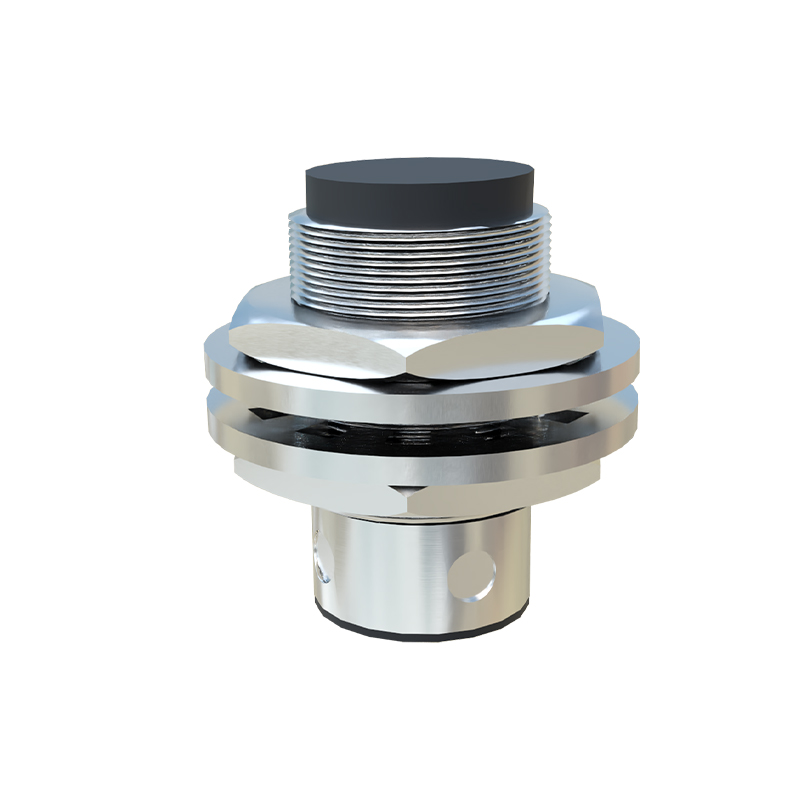
Installation and maintenance are straightforward yet vital for optimal performance. Proper alignment with the target, avoiding interference from adjacent metals, and regular cleaning of sensing surfaces prevent false triggers. Advances in technology have led to smart sensors with IO-Link communication, enabling real-time diagnostics and parameter adjustments, thus reducing downtime in Industry 4.0 setups.
Despite their small size, micro proximity switches deliver immense value by enhancing accuracy, safety, and efficiency in automated processes. As industries trend toward miniaturization and IoT (Internet of Things) integration, these sensors will continue to evolve, offering higher precision and connectivity. Engineers and technicians must stay abreast of these developments to leverage their full potential, ensuring seamless operations in an increasingly automated world.