In the intricate world of industrial automation, the reliability and precision of sensing technology form the backbone of efficient operations. Among these critical components, proximity sensors stand out for their non-contact detection capabilities, crucial for tasks ranging from object positioning and counting to safety interlocks. Establishing a dedicated Proximity Sensor Testing Center is not merely a quality assurance step; it is a fundamental necessity for engineers and procurement specialists to make data-driven decisions. This article delves into the core evaluation protocols and performance metrics that define a rigorous testing environment for these indispensable devices.
The primary function of a Proximity Sensor Testing Center is to simulate real-world industrial conditions in a controlled, repeatable laboratory setting. The evaluation begins with the fundamental specification: sensing distance. The nominal sensing distance (Sn) provided by manufacturers is tested under standardized conditions using a precisely calibrated target. However, the true test lies in evaluating the effective operating distance, which accounts for factors like supply voltage tolerances, temperature fluctuations, and target material composition. A robust testing center will measure the switch-on and switch-off points across a range of voltages (typically 10-30V DC for inductive sensors) and temperatures (-25°C to +70°C), charting the sensor's hysteresis to ensure stable switching behavior.
Next, the dynamic response of the sensor is scrutinized. This involves testing the sensor's switching frequency, measured in Hertz (Hz). A high-frequency sensor is vital for high-speed production lines. The test setup uses a rotating disk with targets, and an oscilloscope captures the sensor's output signal. The rise and fall times of the signal are analyzed to determine the maximum reliable operating frequency. Simultaneously, the repeat accuracy is tested, which defines the sensor's ability to consistently detect a target at the same position over thousands of cycles. Statistical process control charts are often employed here to quantify variance.
Environmental resilience forms another critical pillar of the evaluation. Industrial environments are harsh. Testing centers subject proximity sensors to rigorous environmental stress tests. This includes ingress protection (IP) rating validation, where sensors are exposed to dust (IP6X) and high-pressure water jets (IPX9K) to confirm their sealing integrity. Vibration and shock tests simulate the conditions found on heavy machinery, ensuring the internal components and housing remain intact and functional. Furthermore, tests for electromagnetic compatibility (EMC) are mandatory. The sensor must demonstrate immunity to electromagnetic interference from motors, variable frequency drives, and radio frequencies, while also ensuring its own switching emissions do not disrupt other sensitive electronics.
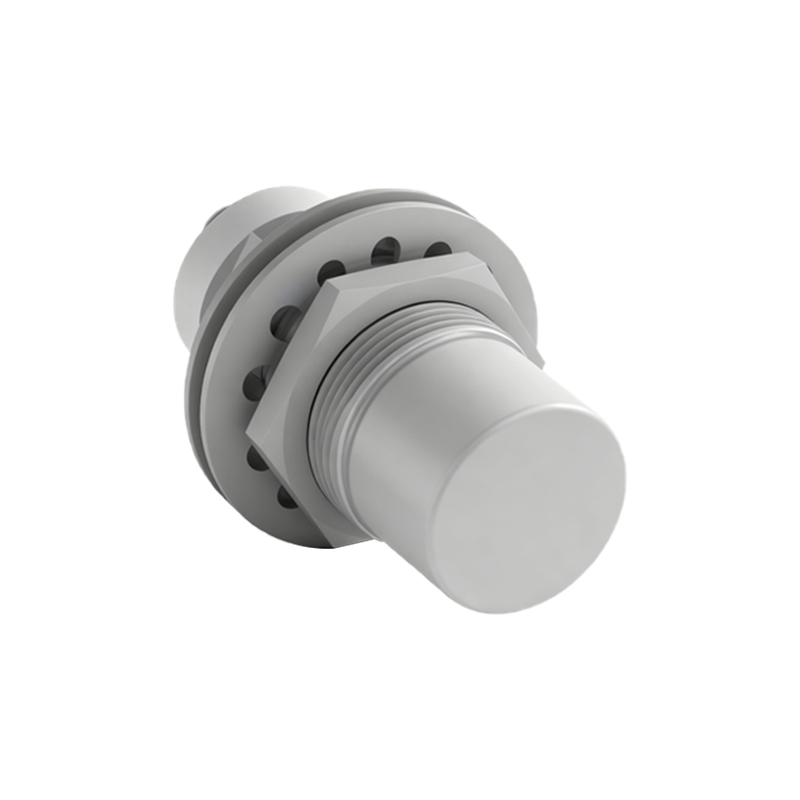
For inductive proximity sensors, the influence of the target material is paramount. A standard testing center will have targets made of different grades of steel, aluminum, brass, and copper. The reduction factor for non-ferrous metals is precisely measured, as a sensor calibrated for steel will have a significantly reduced sensing range for aluminum. This data is crucial for correct sensor selection in applications involving mixed materials.
Beyond basic functionality, advanced testing evaluates electrical characteristics and longevity. The residual current (leakage current) in the "OFF" state for PNP sensors is measured, as excessive leakage can falsely trigger certain PLC inputs. Short-circuit and overload protection circuits are tested for durability. Finally, endurance testing involves cycling the sensor millions of times under load to predict its operational lifespan and identify potential failure modes.
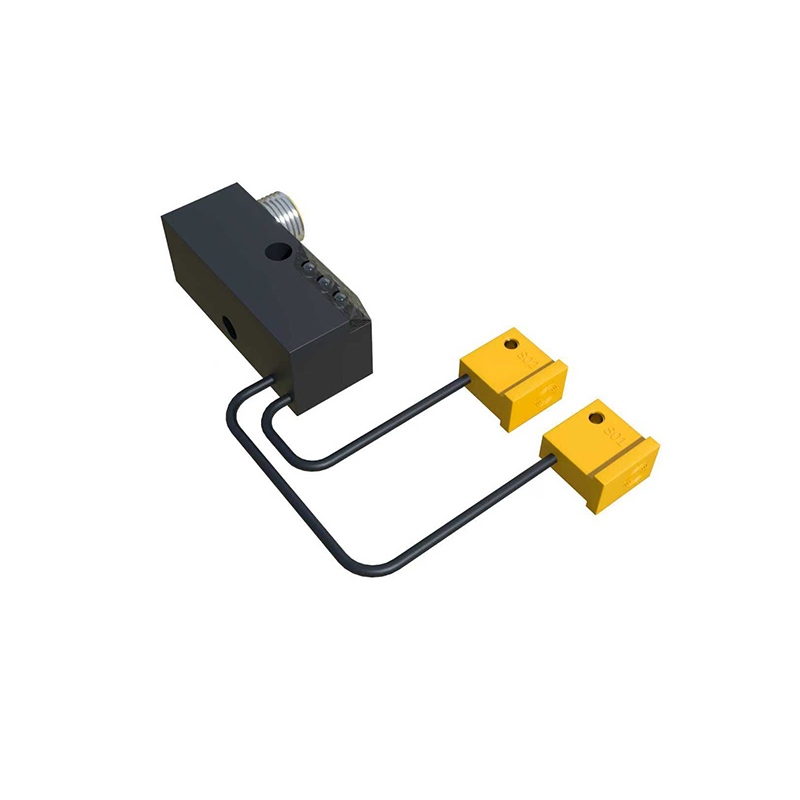
The output of a comprehensive Proximity Sensor Testing Center is not a simple pass/fail certificate. It is a detailed dossier of performance curves, environmental ratings, and reliability data. For an engineer, this information translates into confidence. It allows for the selection of a sensor that not only fits the mechanical and electrical requirements but will also endure the specific challenges of its intended application—be it in a clean food packaging plant or a grimy foundry. By relying on empirical data from a dedicated testing center, industries can minimize downtime, enhance safety, and optimize the efficiency of their automated systems, ensuring that every detection event is as reliable as the last.