Selecting the appropriate proximity switch or reed sensor is a critical decision in industrial automation, machinery design, and control systems. The wrong choice can lead to system failures, inaccurate readings, and costly downtime. This guide provides a practical, non-technical overview of the key factors to consider, moving beyond basic specifications to real-world application needs.
First, understand the fundamental difference between these two common sensing technologies. A proximity switch, often called a proximity sensor, detects the presence or absence of a metallic object without physical contact. It typically works on inductive, capacitive, or photoelectric principles. Inductive sensors are the most common for detecting metals. A reed sensor, on the other hand, is a magnetically actuated switch. It consists of two ferromagnetic reed contacts sealed within a glass tube. When a magnetic field from a permanent magnet or an electromagnet approaches, the contacts pull together, closing the circuit.
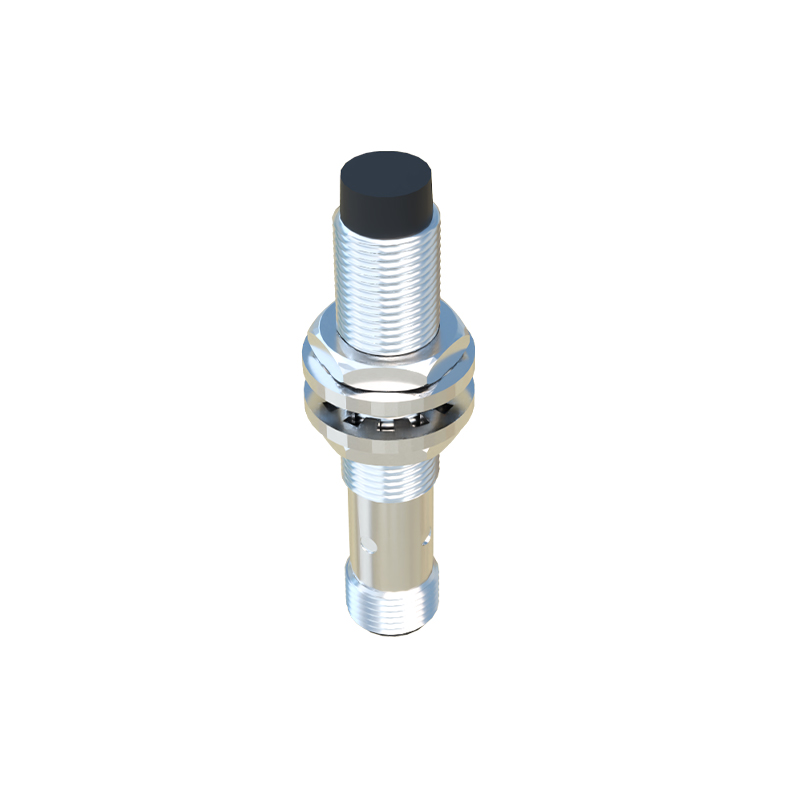
The core of your selection process must begin with the application environment. What are you trying to detect? For metallic targets like steel, aluminum, or copper, an inductive proximity switch is usually the default and most robust choice. If you need to detect non-metallic materials like liquids, plastics, wood, or grains, a capacitive proximity sensor is required. For detecting the presence of a magnet or a ferromagnetic object, or for applications requiring isolation in wet or explosive environments, the reed sensor is often superior due to its hermetically sealed contacts.
Next, consider the operating conditions. What is the temperature range? Standard sensors operate between -25°C to +70°C, but specialized versions exist for freezing or high-heat environments. Is the area exposed to chemicals, oils, or cutting fluids? The sensor's housing material and IP (Ingress Protection) rating are vital. An IP67 rating, for example, guarantees protection against dust and temporary immersion in water. For high-pressure washdown areas in food processing, IP69K is necessary. Vibration and mechanical shock can damage internal electronics in standard proximity switches but have less effect on the simple, solid-state construction of a reed sensor.
Electrical characteristics are non-negotiable. Match the sensor's output type to your control system. Do you need a simple two-wire AC/DC switch, a three-wire DC sensor with NPN (sinking) or PNP (sourcing) output, or a digital IO-Link interface for advanced diagnostics? Check the voltage rating (e.g., 10-30V DC) and ensure the load current does not exceed the sensor's switching capacity. Reed sensors are generally simple SPST (Single Pole Single Throw) or SPDT switches with lower current ratings, ideal for interfacing directly with PLCs or relays.
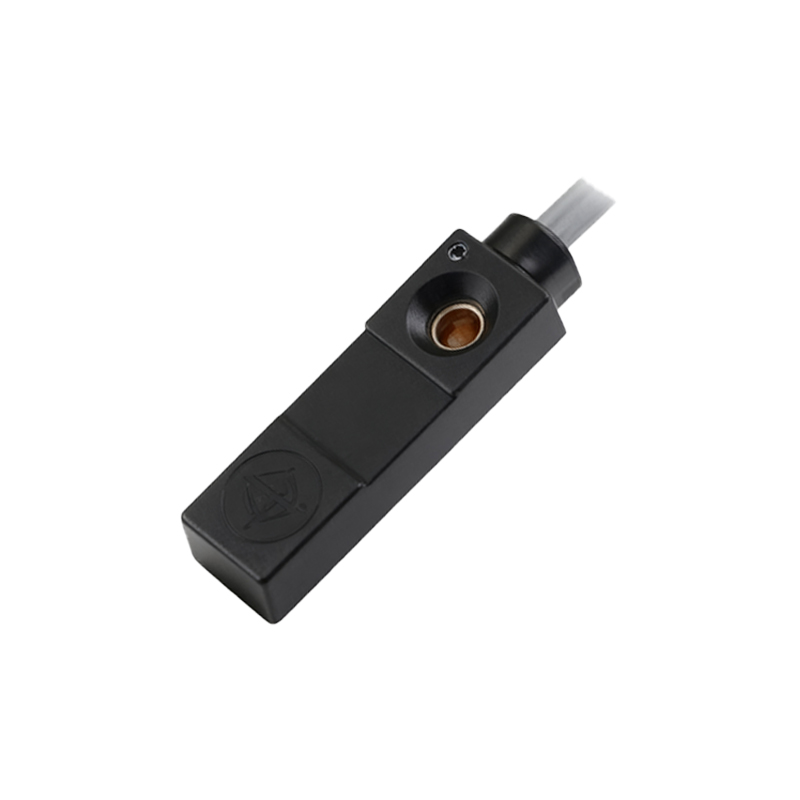
Physical constraints dictate the sensor's size, shape, and sensing range. Space is often limited. Cylindrical sensors (e.g., M8, M12, M18, M30 threads) are common, but rectangular or flat-pack designs exist for tight spots. The sensing distance, or "sn," is specified for a standard target. Always derate this value—use only 60-80% of the nominal range for reliable operation. For reed sensors, the switching distance depends on the strength of the magnet used. Remember mounting considerations: flush-mounted sensors can be installed in metal, while non-flush types offer longer ranges but require a non-metallic surround.
Finally, think about reliability and longevity. Proximity switches with solid-state outputs have no moving parts, offering virtually infinite mechanical life but can be susceptible to electrical noise. Reed sensors have a finite mechanical life (often millions of cycles) because the reeds physically move, but they provide a clean, bounce-free switch signal and excellent electrical isolation. For high-speed counting, a fast-switching, high-frequency proximity sensor is essential. For a slow-moving door or a safety interlock where absolute reliability is key, a rugged reed sensor might be the simpler, more failsafe option.
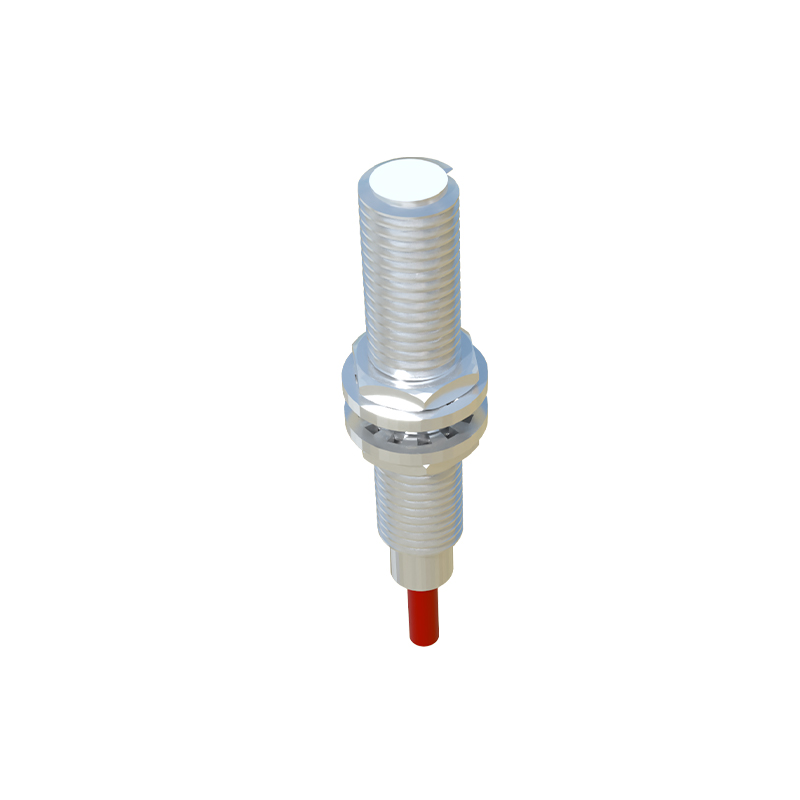
Do not select based on price alone. A slightly more expensive sensor with the correct IP rating, temperature tolerance, and electrical compatibility will prevent immense future costs. Consult datasheets thoroughly and, when in doubt, request samples from suppliers to test in your actual application under real conditions. The goal is to find the sensor that disappears into your system, performing its duty reliably for years without notice.