In the realm of industrial automation and precision measurement, fiber optic proximity sensor probes have emerged as a critical component for numerous applications. These devices utilize the principles of light transmission through optical fibers to detect the presence, absence, or position of objects without physical contact. The core mechanism involves a light source, typically an LED or laser diode, which emits light through a transmitting fiber. This light travels to the probe's sensing tip, where it interacts with the target object. Depending on the sensor type—commonly reflective or through-beam—the light is either reflected back from the target or received by a separate receiving fiber after passing through a gap. The reflected or transmitted light is then guided back to a photodetector, which converts the optical signal into an electrical one for processing by the sensor's amplifier or controller.
The advantages of fiber optic proximity sensors are substantial, particularly in challenging industrial environments. Their immunity to electromagnetic interference (EMI) and radio frequency interference (RFI) is a standout feature, making them ideal for use near motors, welders, or other high-noise electrical equipment. Since the sensing element itself is passive and contains no electrical components at the probe tip, these sensors can operate reliably in extreme temperatures, corrosive atmospheres, and high-pressure conditions where traditional inductive or capacitive sensors would fail. The small size of the fiber optic probe allows for installation in confined spaces, enabling detection of minute objects or features. Furthermore, the ability to separate the sensitive electronics from the harsh sensing point via long fiber optic cables—sometimes tens of meters—provides exceptional flexibility in system design.
Several key types of fiber optic proximity sensors dominate the market. Diffuse reflective sensors are the most common, where a single bundle of fibers handles both transmission and reception. The sensor detects the intensity of light reflected directly from the target. Contrast sensors, a subtype, are finely tuned to detect differences in color, contrast, or surface reflectivity, crucial in packaging or assembly line verification. Through-beam sensors, employing separate fibers for sending and receiving, offer the highest precision and longest sensing ranges by detecting the interruption of a light beam. Finally, fiber optic versions of proximity sensors can also be configured for analog output, providing continuous measurement of distance or displacement, which is vital in precision positioning and thickness monitoring applications.
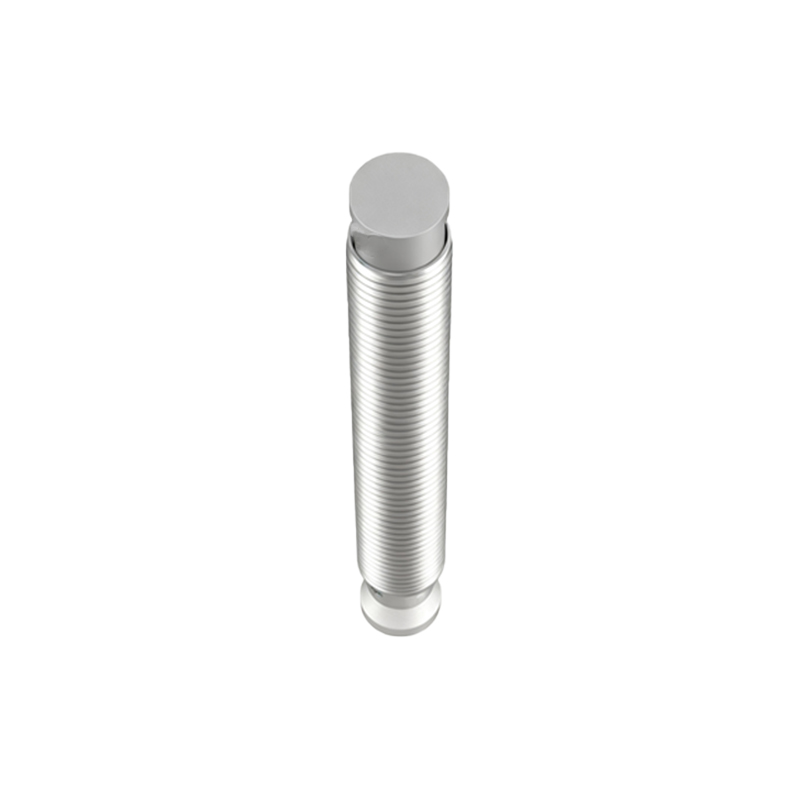
Selecting the appropriate fiber optic probe requires careful consideration of multiple parameters. The sensing distance is paramount and is influenced by the fiber type (plastic or glass), the number of fibers, their core diameter, and the arrangement at the tip (random, coaxial, or focused). The target material's color, reflectivity, and surface texture dramatically affect performance; a highly reflective white surface will yield a much longer effective range than a matte black one. Environmental factors such as ambient light, temperature extremes, and exposure to chemicals dictate the need for specialized jacketing materials like PTFE or stainless steel armor. The choice between plastic optical fiber (POF) for cost-effective, flexible use over shorter distances and glass optical fiber (GOF) for superior temperature resistance and longer-distance signal integrity is another critical decision point.
Installation and maintenance practices are straightforward but essential for optimal performance. Proper alignment of the probe relative to the target is necessary, especially for through-beam types. The sensing face must be kept clean from dust, oil, or debris, which can attenuate the light signal. While the fibers are robust, sharp bends below the minimum bend radius can cause micro-cracks and signal loss. Periodic verification of the sensor's output against a known standard target is recommended to ensure long-term reliability. Modern fiber optic sensor amplifiers often feature advanced diagnostics, teach-in functions for automatic threshold setting, and digital displays to simplify setup and troubleshooting.
In conclusion, fiber optic proximity sensor probes represent a versatile and robust sensing solution. Their unique combination of environmental resilience, EMI immunity, and miniaturized sensing points makes them indispensable in modern manufacturing, from semiconductor fabrication and food processing to automotive assembly and pharmaceutical production. As Industry 4.0 drives demand for more precise and reliable data from the factory floor, the role of these sophisticated optical sensors is set to expand further, enabling smarter and more adaptive automation systems.