Laser cutting technology has revolutionized modern manufacturing, offering unparalleled precision, speed, and versatility. At the heart of a high-performance laser cutting system lies a critical, yet often overlooked component: the nozzle sensor. This guide delves into the function, types, and operational significance of laser cutting nozzle sensors, providing essential knowledge for engineers and technicians in the field.
A laser cutting nozzle sensor is a sophisticated monitoring device integrated into the cutting head. Its primary function is to detect the precise distance between the cutting nozzle tip and the workpiece material. This standoff distance is a paramount parameter in laser cutting processes. Maintaining an optimal and consistent gap is crucial for achieving clean cuts, ensuring edge quality, and protecting the nozzle and lens from catastrophic collisions. The sensor continuously feeds real-time data to the machine's CNC controller, which then makes micro-adjustments to the Z-axis, dynamically compensating for material warping, surface irregularities, or table inconsistencies.
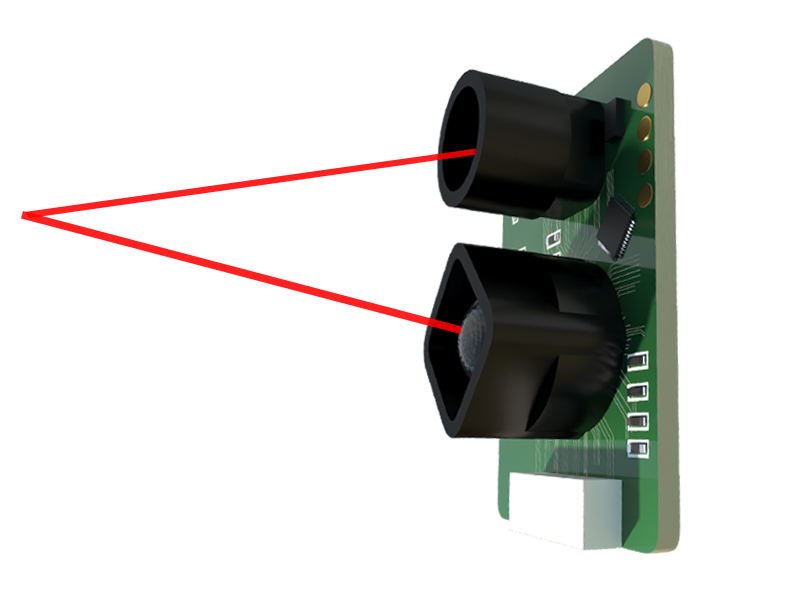
There are several prevalent sensing technologies employed in modern systems. Capacitive sensors are widely used due to their robustness and cost-effectiveness. They operate by creating an electrostatic field between the nozzle and the material. Changes in capacitance caused by variations in the distance are measured, allowing for precise gap control. However, their performance can be influenced by material type, thickness, and surface conditions. Inductive sensors are another common type, ideal for cutting conductive materials like metals. They generate an electromagnetic field, and the presence of a conductive workpiece alters the field's properties, enabling distance measurement. For non-conductive materials or applications requiring extreme precision, optical or laser triangulation sensors are deployed. These emit a light beam onto the material surface and use a receiver to detect the reflected beam's angle, calculating the distance with high accuracy, though they are generally more sensitive and expensive.
The operational benefits of a reliable nozzle sensor system are substantial. First and foremost, it dramatically enhances process stability and cut quality. By preventing the nozzle from being too close (which can cause back-reflection damage, dross formation, and nozzle wear) or too far (which defocuses the laser beam, leading to poor cut quality and increased energy consumption), the sensor ensures optimal focus position is maintained. This directly translates to reduced scrap rates, lower consumable costs (for nozzles and lenses), and less machine downtime for maintenance. Furthermore, it enables the automation of complex cutting processes, including piercing routines and cutting on uneven or pre-formed surfaces, without manual intervention. Advanced sensors can also detect a broken or missing nozzle, triggering an immediate machine halt to prevent further damage.
When selecting or maintaining a nozzle sensor, several key factors must be considered. Sensor range and resolution must match the application's requirements, such as material thickness variations. The response time is critical for high-speed cutting to ensure the Z-axis can react swiftly. Environmental resilience is also vital; sensors must withstand the harsh conditions of a laser cutting environment, including spatter, dust, high temperatures, and electromagnetic interference from the plasma generated during cutting. Regular calibration and cleaning of the sensor tip are essential maintenance routines to prevent signal drift or failure. A contaminated sensor can provide erroneous readings, leading to poor cuts or collisions.
In conclusion, the laser cutting nozzle sensor is far more than a simple proximity switch. It is an intelligent guardian of the cutting process, enabling the precision, efficiency, and reliability that modern industry demands. As laser cutting pushes into new materials, thicker plates, and more automated production cells, the role of advanced sensing technology will only grow in importance. Understanding its principles and proper maintenance is fundamental for any professional aiming to optimize laser cutting operations, maximize equipment uptime, and ensure consistently high-quality output. Investing in and correctly utilizing this technology is a strategic decision for achieving manufacturing excellence.