In the rapidly evolving landscape of electrical engineering and automation, the quest for more intuitive, hygienic, and reliable human-machine interfaces (HMIs) has led to significant advancements. Among these, gesture proximity sensors have emerged as a transformative technology, moving beyond traditional tactile buttons and touchscreens to enable contactless control. These sophisticated devices detect the presence, movement, and specific gestures of a user's hand or fingers without physical contact, opening new frontiers in user experience and system design.
At their core, gesture proximity sensors operate on several fundamental principles, each suited to different applications and performance requirements. Capacitive sensing is one of the most prevalent technologies. These sensors detect changes in an electrostatic field caused by the conductive properties of the human body. When a hand approaches, it alters the local capacitance, which is measured by the sensor's circuitry. This method is highly effective for simple presence detection and basic swipe gestures, offering excellent reliability and the ability to function through non-conductive materials like glass or plastic enclosures. This makes capacitive sensors ideal for appliances, industrial control panels, and automotive interiors where sealed, robust interfaces are paramount.
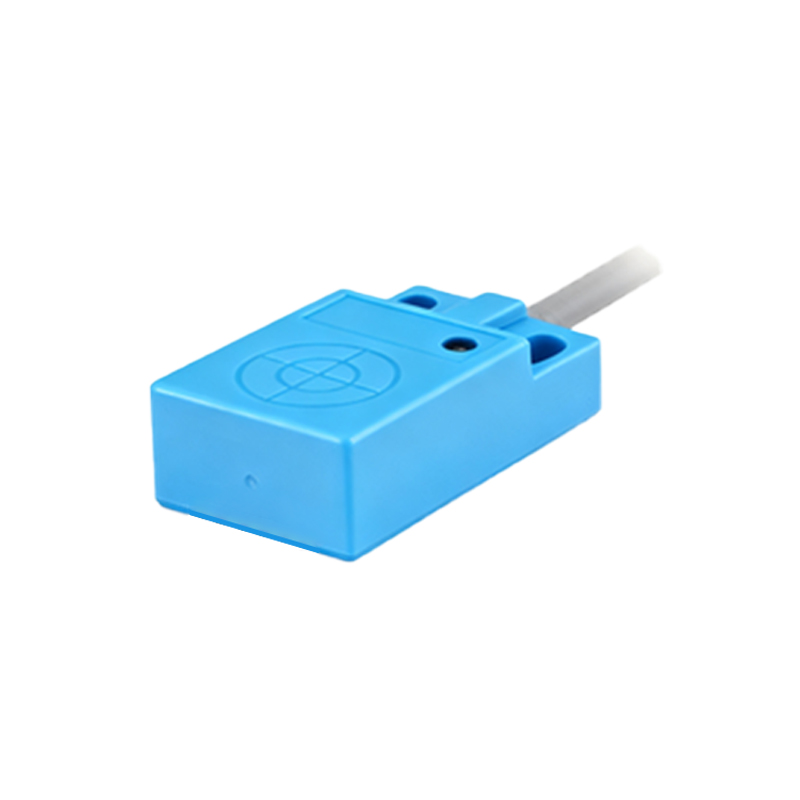
Infrared (IR) sensing, particularly using time-of-flight (ToF) or structured light principles, provides another robust approach. IR sensors emit an infrared light beam and measure the reflection. Time-of-flight variants calculate distance based on the time delay of the reflected light, enabling precise 3D mapping of hand position and movement. This allows for the recognition of complex, multi-finger gestures in three-dimensional space. Structured light systems project a known pattern of IR light onto the scene; distortions in this pattern caused by an object (like a hand) are analyzed to reconstruct its shape and motion. These IR-based systems are found in high-end consumer electronics, advanced automotive infotainment systems, and interactive public displays, where detailed gesture recognition is critical.
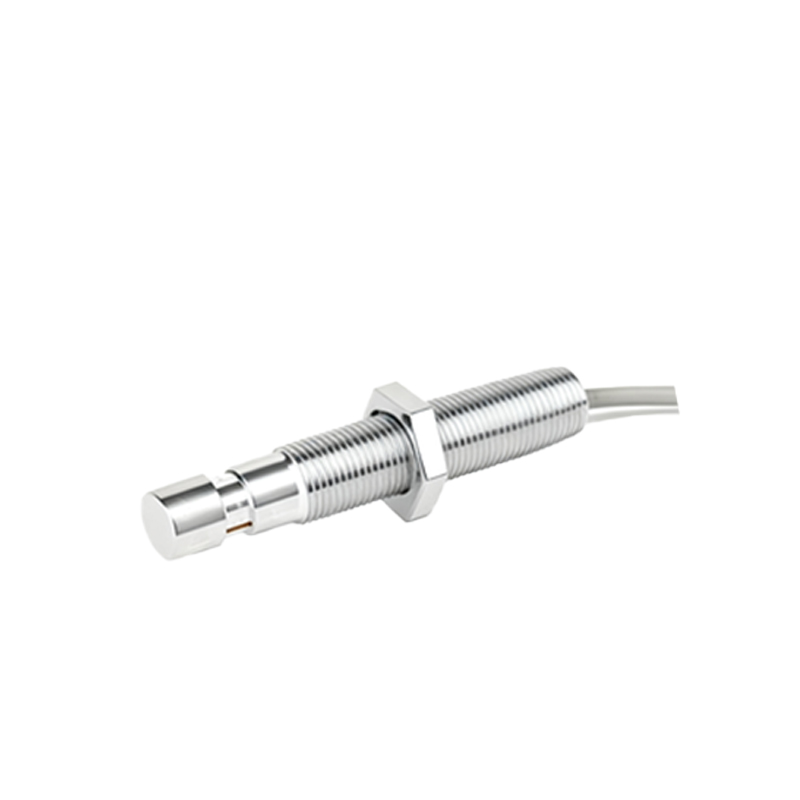
A third, increasingly important technology is based on millimeter-wave radar. Operating in the 60GHz or 77GHz spectrum, these radar sensors emit radio waves and analyze the reflected signal's frequency shift (Doppler effect) and time delay. They excel at detecting subtle motions, even through certain obstructions, and are less sensitive to environmental factors like ambient light or dust. This makes them exceptionally suitable for challenging industrial environments, smart home fixtures in bathrooms or kitchens, and applications where absolute reliability under variable conditions is non-negotiable.
The integration of gesture proximity sensors into electrical systems demands careful engineering consideration. Signal processing is a monumental task. Raw sensor data is often noisy, influenced by environmental interference, temperature fluctuations, and unintended motions. Advanced algorithms, including machine learning models, are employed to filter noise, distinguish intentional gestures from random movements, and accurately classify commands such as a wave, a swipe, a pinch, or a rotation. Power management is another critical aspect, especially for battery-operated devices. Engineers must balance the sensor's active scanning duty cycle with power consumption, often implementing sophisticated wake-on-approach features where a low-power mode detects initial proximity before activating the full gesture recognition system.
Furthermore, the electrical integration involves ensuring electromagnetic compatibility (EMC) to prevent the sensor from interfering with, or being interfered by, other electronic components within the same system. Robust firmware development is essential to provide a low-latency, responsive user experience and to allow for field updates that can improve gesture libraries or adapt to new use cases.
The applications for this technology are vast and growing. In the industrial sector, gesture control allows operators to interact with machinery or diagnostic panels without removing gloves or compromising sterile environments, enhancing both safety and efficiency. In automotive design, drivers can control navigation, climate, and audio systems with simple hand movements, minimizing distraction compared to touchscreens. Consumer electronics, from smartphones and laptops to smart TVs and home assistants, use gestures for volume control, scrolling, and menu navigation. Public spaces utilize them for touchless information kiosks or faucet control, promoting hygiene. The medical field benefits through touchless control of imaging equipment in sterile operating rooms.
Looking ahead, the convergence of gesture recognition with artificial intelligence and the Internet of Things (IoT) promises even smarter systems. Sensors will not only recognize predefined gestures but also learn and adapt to individual user patterns. They will be integrated into broader contextual awareness systems, where a gesture command's outcome is modified by other sensor inputs—like ambient light or user identity. As electrical engineers continue to refine the sensitivity, reduce the cost, and miniaturize the form factor of these sensors, gesture-based interaction will become even more pervasive, fundamentally reshaping our relationship with the electronic systems that power our world. The move from physical contact to intelligent, anticipatory proximity sensing marks a significant leap towards more natural, seamless, and powerful human-machine synergy.