In the realm of industrial automation and machinery, proximity sensors are indispensable components, providing non-contact detection of metallic and non-metallic objects. However, standard sensors often falter when subjected to extreme conditions, such as elevated temperatures and exposure to oils or coolants. This is where specialized high-temperature and oil-resistant proximity sensors become critical. These robust devices are engineered to maintain reliable performance in the harshest environments, ensuring operational continuity, safety, and precision.
The primary challenge in high-temperature applications lies in the sensor's internal components. Standard electronic circuits, plastics, and seals can degrade, leading to premature failure. High-temperature proximity sensors are constructed using materials capable of withstanding continuous exposure to temperatures often ranging from -40°C to 150°C, with some specialized models rated for even higher peaks. Key to this resilience are high-grade potting compounds that protect the circuitry from thermal stress, ceramic or PPS (Polyphenylene Sulfide) housings that resist deformation, and high-temperature solder for electrical connections. This construction prevents malfunctions in applications like die-casting machines, furnace door monitoring, or engine test stands, where ambient heat is a constant factor.
Equally critical is resistance to oils, greases, cutting fluids, and synthetic lubricants. In machining centers, food processing lines, or automotive assembly plants, sensors are routinely splashed or immersed in these fluids. Standard sensor housings and cables can swell, crack, or become permeable, allowing fluids to ingress and damage the sensing element or electronics. Oil-resistant proximity sensors address this through specialized sealing technologies. They typically feature housings made from stainless steel (such as V4A/AISI 316L) or oil-resistant plastics like PVDF. The sealing is achieved using high-performance elastomers like FKM (Fluorocarbon Rubber) or FFKM (Perfluoroelastomer) O-rings, which maintain their sealing force and elasticity even after prolonged exposure to aggressive media. The cable outlet is another critical point, often protected by a robust strain relief and a sealed gland.
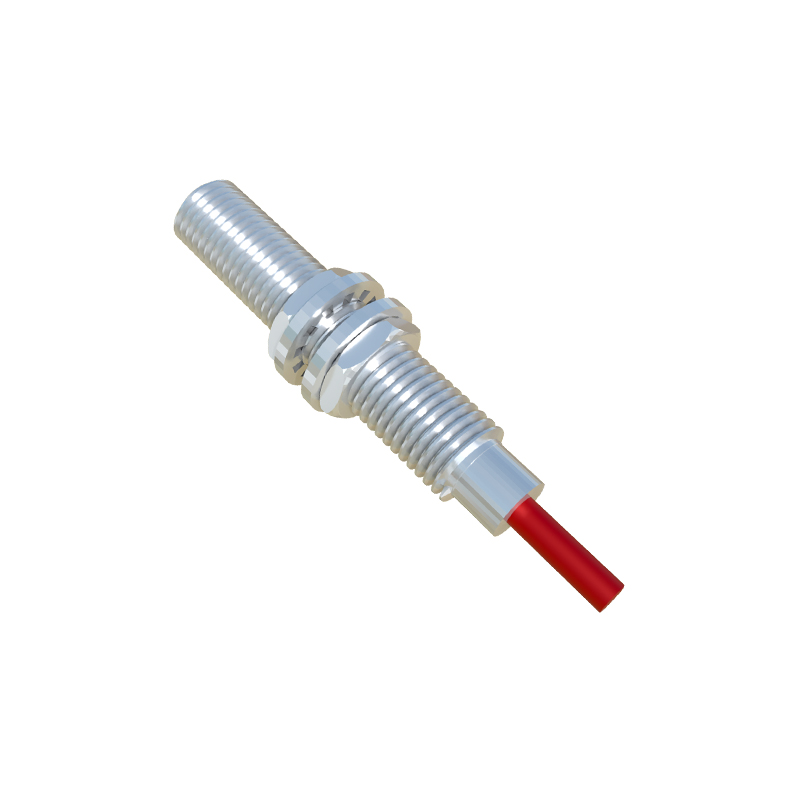
The sensing technology itself must be considered. Inductive proximity sensors, which detect metallic objects, are most common in these harsh settings. Their robust, solid-state design with no moving parts is inherently more resilient. For detecting non-metals like glass or plastic in oily, hot conditions, capacitive sensors with similarly ruggedized designs are employed. The choice of sensing face material is also vital; a PTFE (Teflon) coating, for instance, can prevent sticky materials or residues from adhering to the sensor face in food or chemical processing.
Implementing these sensors requires careful selection based on the specific environmental profile. Engineers must consult datasheets for precise ratings: continuous operating temperature, peak temperature tolerance, and the types of oils or chemicals the sensor is certified to resist (often verified by standards like IP67, IP69K for ingress protection, and NEMA ratings). Proper installation is also paramount. Even the most resistant sensor can fail if installed with inadequate clearance, incorrect mounting, or if the cable jacket is compromised during fitting.
The benefits of deploying high-temperature and oil-resistant proximity sensors are substantial. They drastically reduce unplanned downtime caused by sensor failure, lower maintenance costs by extending service intervals, and enhance overall system safety by providing dependable feedback in critical control loops. Their longevity and reliability contribute directly to higher equipment effectiveness and productivity.
In conclusion, as industrial processes push the boundaries of speed, precision, and environmental challenge, the demand for specialized proximity sensors grows. High-temperature and oil-resistant variants are no longer niche products but essential components for modern manufacturing, heavy industry, and processing plants. By selecting sensors engineered with the right materials and sealing technologies, engineers can build systems that are not only intelligent but also incredibly durable and trustworthy, capable of thriving where ordinary sensors would quickly perish.