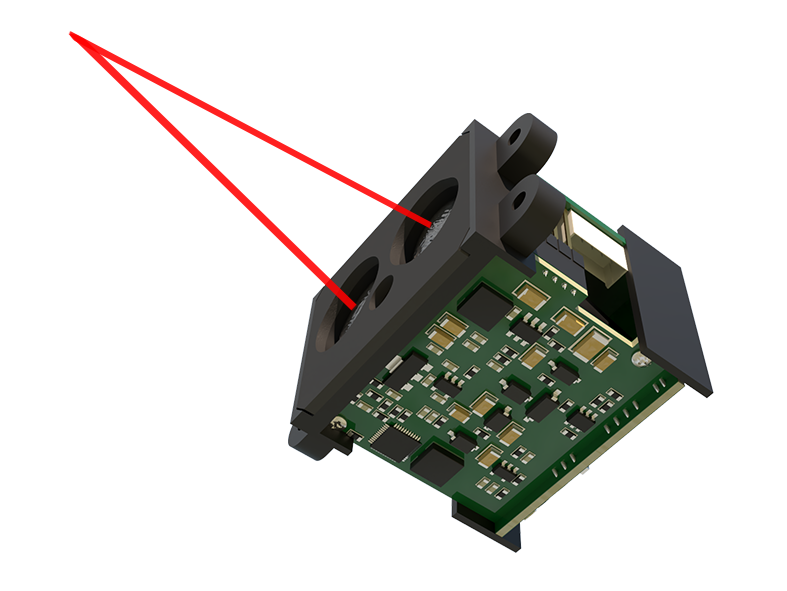
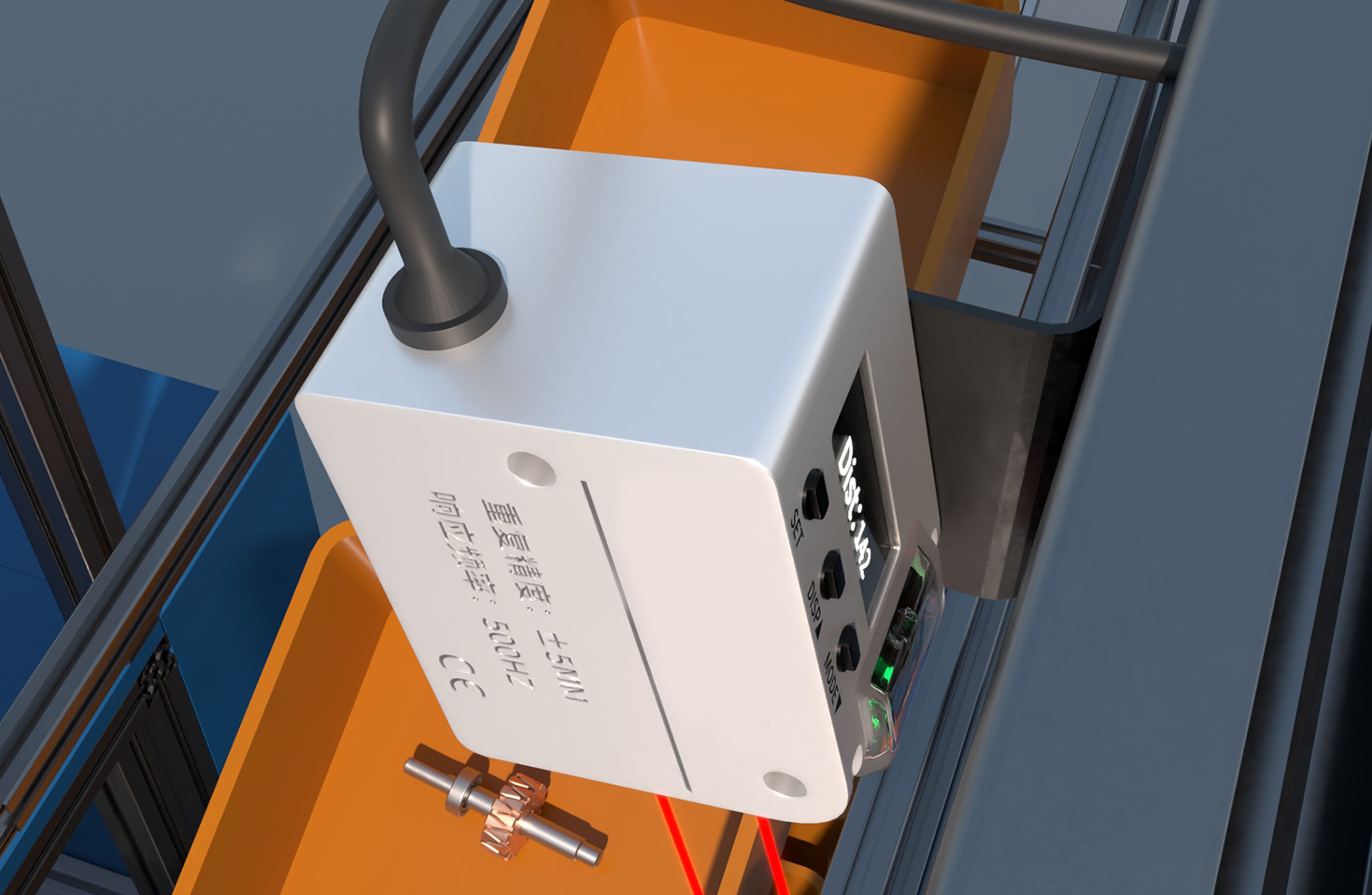
In the realm of industrial automation, opto laser sensors stand as pivotal components, driving efficiency, accuracy, and safety across diverse applications. These sensors, which utilize laser light as a detection medium, offer unparalleled precision in measuring distance, detecting objects, and monitoring processes. Unlike traditional photoelectric sensors that may rely on diffuse or reflective methods, opto laser sensors employ focused laser beams, enabling high-resolution sensing even in challenging environments with dust, smoke, or varying light conditions.
The core technology behind opto laser sensors involves the emission of a coherent laser beam toward a target. The sensor then analyzes the reflected light using advanced optics and electronics. Common types include time-of-flight (ToF) sensors, which calculate distance based on the time taken for the laser pulse to return, and triangulation sensors, which use geometric principles for precise measurements. This allows for sub-millimeter accuracy, making them ideal for tasks such as alignment in assembly lines, thickness gauging in manufacturing, or presence detection in logistics.
One key advantage of opto laser sensors is their long sensing range, often extending up to several meters, while maintaining a compact form factor. This makes them suitable for large-scale industrial setups where space constraints exist. Additionally, their high response speed—often in the microsecond range—ensures real-time feedback critical for dynamic systems like robotic arms or conveyor belts. For instance, in automotive manufacturing, these sensors verify part placements with minimal error, reducing downtime and enhancing product quality.

Durability is another hallmark of opto laser sensors. Designed to withstand harsh industrial conditions, they typically feature robust housings rated for IP67 or higher, protecting against moisture, vibrations, and temperature extremes. This reliability translates to lower maintenance costs and increased operational uptime. Moreover, modern opto laser sensors integrate with Industry 4.0 frameworks, offering connectivity via IO-Link, Ethernet/IP, or PROFINET for seamless data exchange and remote monitoring.
Despite their benefits, selecting the right opto laser sensor requires careful consideration of factors like target material, surface reflectivity, and environmental interferences. For example, highly reflective surfaces may cause signal saturation, while dark materials might absorb too much light. To mitigate this, many sensors include adjustable sensitivity settings or background suppression features. Regular calibration and alignment are also essential to maintain accuracy over time.
In summary, opto laser sensors are indispensable tools in today's automated industries, combining cutting-edge optics with robust engineering. Their ability to deliver precise, reliable data underpins advancements in smart factories, quality control, and safety systems. As technology evolves, we can expect further innovations, such as enhanced integration with AI for predictive analytics, solidifying their role in the future of industrial automation.