In the high-stakes world of precision machining, Wire-Cut Electrical Discharge Machining (EDM) stands as a cornerstone technology for creating intricate, complex, and highly accurate parts. At the heart of ensuring the reliability, safety, and precision of these sophisticated systems lies a critical component: the proximity switch sensor. This guide delves into the function, types, selection criteria, and maintenance of proximity sensors specifically within wire-cut EDM applications, providing essential knowledge for engineers and technicians.
Proximity sensors in wire-cut EDM are non-contact electronic devices designed to detect the presence or absence of a target object—most critically, the wire electrode itself—within a specified sensing range without any physical contact. Their primary role is to provide real-time positional feedback to the machine's CNC control system. This feedback is paramount for initiating automatic wire threading sequences, detecting wire breakage or slack, and ensuring the wire guide and worktable maintain correct positional relationships. A failure in this sensing can lead to catastrophic wire breaks, collisions, scrapped workpieces, and significant machine downtime.
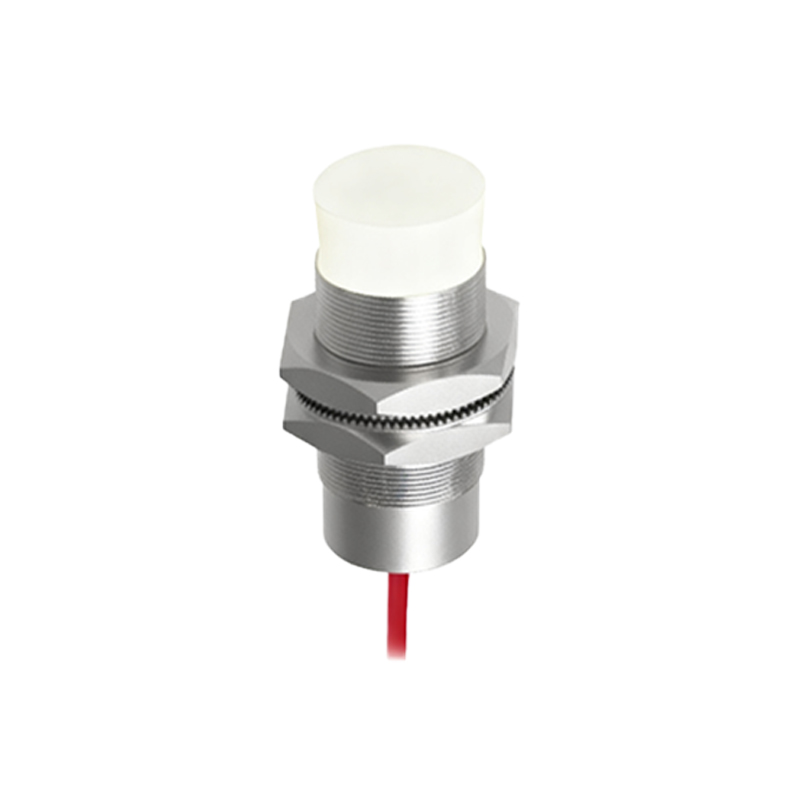
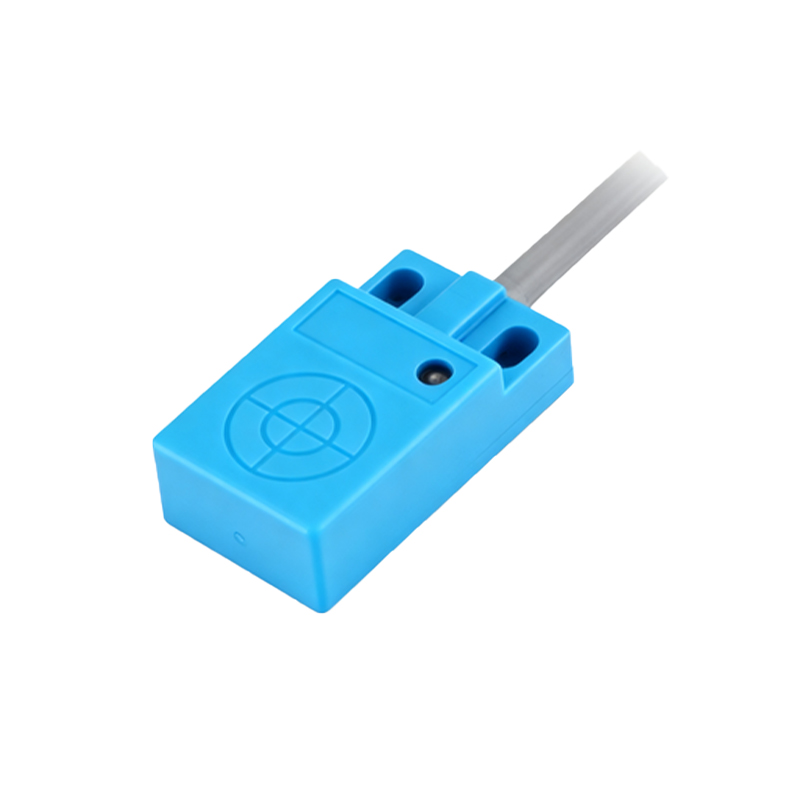
Several types of proximity sensors are employed, each with distinct operating principles. Inductive proximity sensors are the most common for detecting metallic objects. They generate an electromagnetic field and detect changes caused by a metallic target (like the brass or coated wire). They are robust, resistant to coolant and debris, and ideal for detecting the wire's presence in the guides or tensioning system. Capacitive proximity sensors can detect both metallic and non-metallic materials. They are sometimes used in areas where detection of non-conductive materials, like certain ceramic guides or presence of debris, is necessary. Optical sensors, including through-beam and diffuse-reflective types, use light beams to detect objects. They offer very high precision and fast response times and are often used in ultra-fine wire detection or in clean, protected areas of the wire path. However, they can be susceptible to contamination from EDM dielectric fluid mist and debris.
Selecting the right proximity sensor for a wire-cut EDM machine requires careful consideration of several technical parameters. Sensing distance, or the nominal range at which the sensor can reliably detect the target, must be precisely matched to the application—too short, and it may miss the target; too long, and it may cause false triggers. The target material (the wire) size and composition directly influence the effective sensing distance, especially for inductive types. The operating environment is harsh, involving dielectric oil or deionized water, conductive sludge, and metallic particles. Sensors must have a high Ingress Protection (IP) rating (e.g., IP67 or higher) to withstand submersion and contamination. Electrical output type (PNP/NPN, NO/NC) must be compatible with the machine's PLC or control input cards. Finally, response time is critical; the sensor must react quickly enough to signal a wire break before it causes tangling or damage.
Routine maintenance and troubleshooting are essential for sustained operation. Common issues include false triggering due to accumulated conductive sludge on the sensor face, which can be remedied by regular cleaning with appropriate solvents. A complete failure to detect often points to wiring faults, power supply issues, or physical damage to the sensor. Drift in sensing distance over time may indicate aging internal components. It is recommended to follow the machine manufacturer's preventive maintenance schedule, which typically includes inspecting sensor alignment, cleaning sensing faces, and verifying operation through manual testing routines.
The integration of advanced proximity sensing directly contributes to the trend of fully automated, lights-out EDM operation. Reliable sensors enable features like unattended re-threading after a wire break, automatic workpiece positioning, and sophisticated condition monitoring. As wire-cut EDM pushes towards finer wires (diameters below 0.1 mm) and more complex geometries, the demand for even more precise, robust, and intelligent proximity sensors will continue to grow. Future developments may include sensors with integrated IO-Link communication for predictive maintenance data or enhanced designs specifically resistant to the unique conductive contaminants of the EDM process.
In conclusion, proximity switch sensors are the unsung guardians of wire-cut EDM productivity and precision. A deep understanding of their operation, careful selection, and diligent maintenance are not merely ancillary tasks but fundamental engineering practices that ensure machining accuracy, protect capital investment, and maximize operational uptime in modern manufacturing environments.