In the realm of industrial automation, precision, reliability, and durability are non-negotiable. The GX-100 Proximity Sensor stands as a cornerstone technology, engineered to meet these rigorous demands. This comprehensive guide delves into the operational principles, key features, and diverse applications of the GX-100, providing essential insights for engineers and system integrators.
At its core, the GX-100 is an inductive proximity sensor. It operates on the principle of electromagnetic induction. The sensor generates a high-frequency oscillating electromagnetic field from its active face. When a metallic target object enters this detection field, eddy currents are induced within the target. This causes a change in the oscillation amplitude within the sensor's internal LC circuit. The sensor's sophisticated electronics detect this change and subsequently trigger a solid-state switching output, signaling the presence of the object. This non-contact detection method is fundamental to its success, eliminating mechanical wear and tear associated with physical limit switches.
The GX-100 series is renowned for its robust feature set. A primary advantage is its exceptional sensing range, which offers precise detection of ferrous and non-ferrous metals at distances that optimize machine layout. Constructed with a stainless-steel housing, it boasts an IP67 or higher ingress protection rating, making it resistant to dust, oils, coolants, and temporary immersion—a critical requirement for harsh manufacturing environments. The sensor incorporates advanced noise immunity circuits, ensuring stable operation even in electrically noisy settings near variable frequency drives (VFDs) or welding equipment. Furthermore, models are available with different output configurations, including NPN, PNP, and Normally Open/Normally Closed (NO/NC) logic, providing seamless integration with a wide array of Programmable Logic Controllers (PLCs) and control systems. The inclusion of a built-in LED status indicator offers immediate visual confirmation of the sensor's operational state, simplifying installation and troubleshooting.
Application versatility is a hallmark of the GX-100. In automotive assembly lines, these sensors are indispensable for precise part positioning, robotic arm end-effector verification, and pallet tracking. Within packaging machinery, they reliably detect the presence of metallic foil, cans, or products on high-speed conveyors, ensuring accurate filling, capping, and labeling operations. In metal fabrication, GX-100 sensors perform critical tasks such as counting metal sheets, monitoring spindle position on CNC machines, and confirming the open/closed status of heavy-duty doors or guards. Their robustness also makes them ideal for material handling systems, where they detect the position of trolleys, cranes, and automated guided vehicles (AGVs), preventing collisions and optimizing logistics flow.
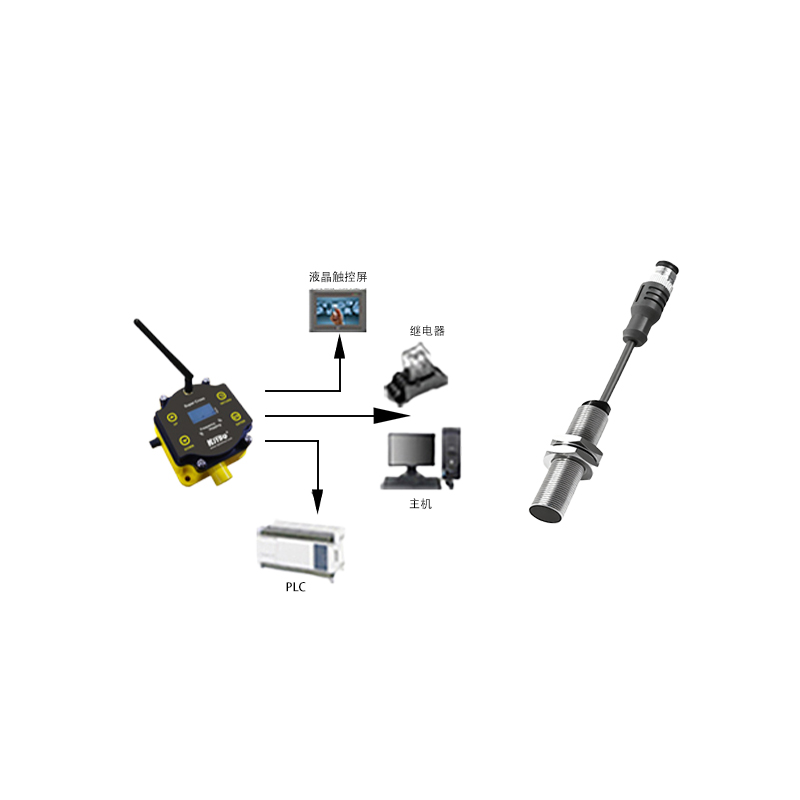
When selecting and installing a GX-100 sensor, several best practices ensure optimal performance. First, carefully match the sensor's sensing distance to the application, accounting for a recommended safety margin. The sensor must be mounted securely to prevent vibration-induced misalignment. It is crucial to maintain the specified lateral and axial distance from other metal surfaces or adjacent sensors to prevent mutual interference—a phenomenon known as "shielding." Proper wiring according to the datasheet, including correct polarity and the use of shielded cables in high-noise environments, is essential. For demanding applications involving different target materials or extreme temperatures, consulting the detailed technical specifications for derating factors is highly advised.
In conclusion, the GX-100 Proximity Sensor represents a paradigm of efficient and reliable non-contact detection. Its robust construction, immunity to environmental challenges, and flexible design make it a trusted component in countless industrial automation systems. By understanding its technology and adhering to proper implementation guidelines, engineers can leverage the full potential of the GX-100 to enhance machine safety, increase production throughput, and minimize maintenance downtime, thereby driving operational excellence on the factory floor.