In the realm of industrial automation, robotics, and consumer electronics, optical proximity sensors have become indispensable components for non-contact detection and measurement. These sensors operate on the fundamental principle of using light to determine the presence, absence, or distance of an object within a defined sensing range. Unlike mechanical limit switches or inductive sensors, they offer the advantage of detecting objects without physical contact, making them ideal for applications involving fragile materials, high-speed processes, or environments where contamination must be minimized.
At its core, an optical proximity sensor consists of two main elements: an emitter and a receiver. The emitter, typically a light-emitting diode (LED) or a laser diode, projects a beam of light—often infrared, visible red, or laser light. The receiver, usually a phototransistor or photodiode, detects the light. The sensor's operation is based on how this emitted light interacts with the target object. There are three primary sensing methods: through-beam, retro-reflective, and diffuse (or proximity) mode.
Through-beam sensors, also known as opposed-mode sensors, feature separate emitter and receiver units placed opposite each other. The object is detected when it interrupts the light beam traveling from the emitter to the receiver. This method offers the longest sensing distances and highest reliability, as it is largely immune to the object's color, reflectivity, or surface finish. However, installation requires precise alignment of two separate components.
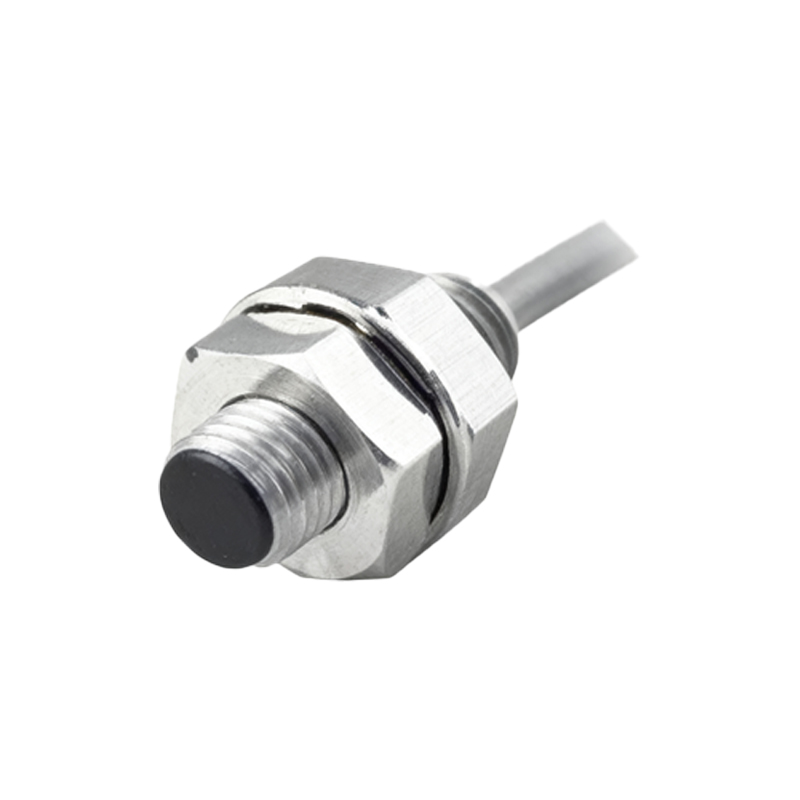
Retro-reflective sensors house both the emitter and receiver in a single housing. They rely on a reflector, such as a specialized tape or prism, placed opposite the sensor. The emitted light beam travels to the reflector and bounces back to the receiver. An object is detected when it breaks this reflected beam. This design simplifies wiring and alignment compared to through-beam sensors but requires a clear line of sight to the reflector. Some advanced models incorporate polarization filters to distinguish the reflected light from other shiny objects that might falsely trigger the sensor.
Diffuse or proximity sensors are the most common type of optical proximity sensor. Both the emitter and receiver are housed in the same unit. Detection occurs when the emitted light strikes a target object and a portion of the scattered (diffuse) reflection is received back at the sensor. The sensing distance depends heavily on the object's size, color, and surface texture—lighter, more reflective objects can be detected from farther away. Modern diffuse sensors often use background suppression or background evaluation techniques to ignore objects beyond a set distance or to provide a constant detection range regardless of the target's reflectivity.
Key performance parameters for selecting an optical proximity sensor include sensing range, response time, repeat accuracy, and environmental robustness. The sensing range defines the maximum distance at which a standard target can be reliably detected. Response time, measured in milliseconds or microseconds, determines how quickly the sensor can react to a change in state, which is critical for high-speed counting or sorting applications. Repeat accuracy refers to the sensor's consistency in detecting an object at the same point. Furthermore, sensors are rated with Ingress Protection (IP) codes to indicate their resistance to dust and water, and many are designed to withstand industrial vibrations, temperature fluctuations, and electromagnetic interference.
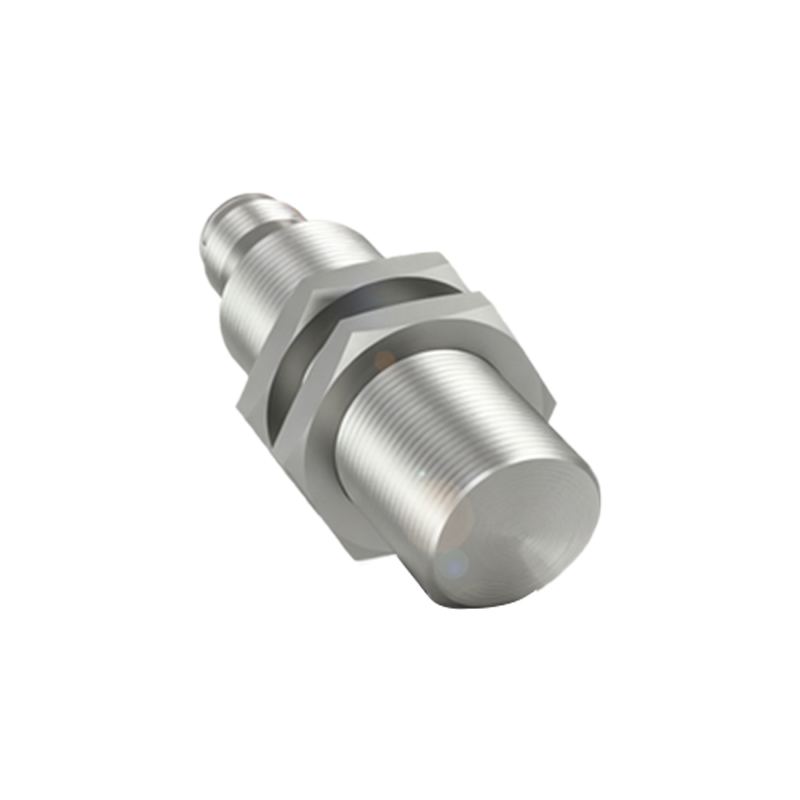
The applications of optical proximity sensors are vast and varied. In manufacturing, they are used for object detection on conveyor belts, part positioning in assembly machines, and end-of-travel detection in robotic arms. In the automotive industry, they ensure precise component placement and verify the presence of parts. Consumer electronics, such as smartphones and tablets, utilize miniature optical proximity sensors to disable the touchscreen when the device is held to the ear during a call, saving power and preventing accidental inputs. They are also found in automatic faucets, hand dryers, and paper towel dispensers for hygienic, touch-free operation.
When integrating an optical proximity sensor, several factors must be considered. The target material, size, and color directly influence the choice of sensor type and its required sensing range. The operating environment—presence of dust, fog, ambient light, or other optical noise—may necessitate sensors with specific wavelengths (e.g., infrared for reduced ambient light interference) or modulated light signals to enhance noise immunity. Electrical output requirements (PNP/NPN, analog, or digital) must match the control system's input module. Finally, the physical housing style (cylindrical, rectangular, slot-style) must suit the mechanical constraints of the installation.
In conclusion, optical proximity sensors provide a versatile, reliable, and non-intrusive solution for object detection across countless industries. Understanding the different operating principles—through-beam, retro-reflective, and diffuse—is essential for selecting the right sensor for a given application. By carefully evaluating parameters like sensing range, response time, and environmental ratings, engineers can ensure optimal performance, increased system efficiency, and enhanced operational safety. As technology advances, we continue to see developments in miniaturization