In today's rapidly evolving industrial and consumer electronics landscape, proximity sensors have become indispensable components. Their ability to detect the presence or absence of objects without physical contact drives efficiency, safety, and automation across countless applications. For businesses and engineers navigating the procurement process, understanding the sales ecosystem for these devices is crucial for making informed purchasing decisions that align with technical requirements and budgetary constraints.
The global market for proximity sensors is experiencing robust growth, fueled by the relentless march of Industry 4.0, smart factory initiatives, and the proliferation of the Internet of Things (IoT). Sales channels have diversified significantly, moving beyond traditional industrial distributors to include specialized online marketplaces, direct manufacturer sales, and system integrators. When evaluating suppliers, key factors extend beyond mere unit cost. Lead times, technical support quality, customization capabilities, and the depth of product documentation are equally critical. A reliable sales partner should offer comprehensive data sheets, application notes, and access to engineering support to ensure seamless integration.
Several core technologies dominate proximity sensor sales, each with distinct advantages. Inductive sensors, ideal for detecting metallic objects, are mainstays in automotive manufacturing and metalworking. Capacitive sensors can detect a wider range of materials, including liquids and plastics, making them valuable in food processing and packaging. Photoelectric sensors, using light beams, offer long detection ranges and are prevalent in material handling and logistics. Ultrasonic sensors excel in harsh environments where dust, moisture, or varying colors might interfere with other types. The choice of technology directly impacts performance and cost, making accurate application analysis a fundamental step before purchase.
Pricing in proximity sensor sales is influenced by a matrix of specifications. Detection range, housing material (e.g., stainless steel for washdown environments), output type (PNP/NPN, analog, IO-Link), and connection style (pre-wired, connector) all contribute to the final price. The trend towards smart sensors with digital communication protocols like IO-Link is adding value but also complexity to the sales conversation, as these devices offer diagnostic data and parameterization features that reduce downtime.
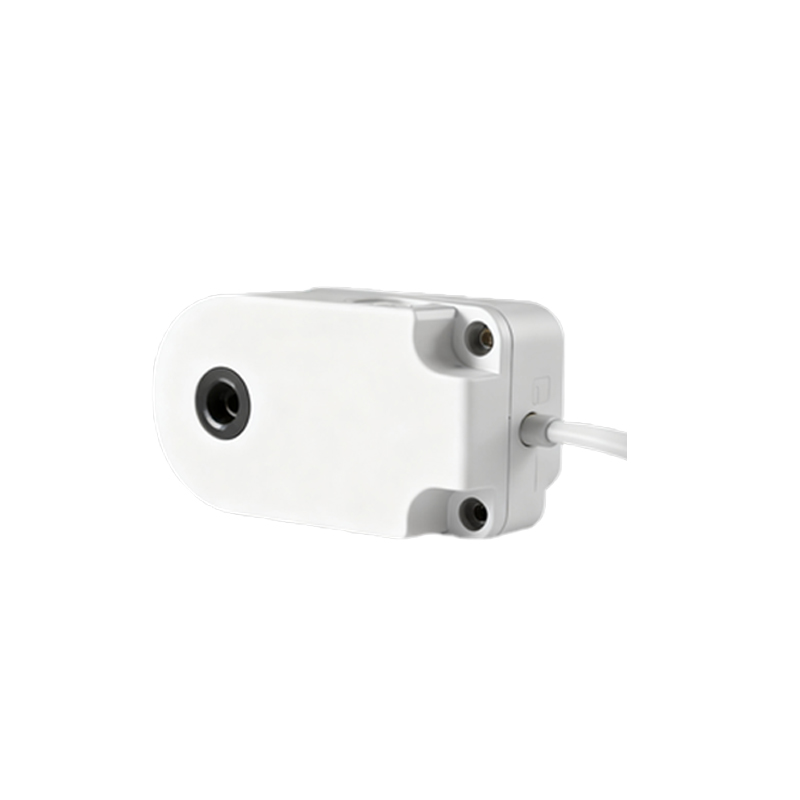
A significant portion of sales now involves providing solutions rather than just components. Suppliers successful in this market often assist with sensor selection for challenging environments—such as extreme temperatures, high-pressure washdowns, or areas with strong electromagnetic interference. They may also provide mounting accessories, testing units, and guidance on compliance with industry standards (e.g., IP ratings, ATEX for hazardous areas).
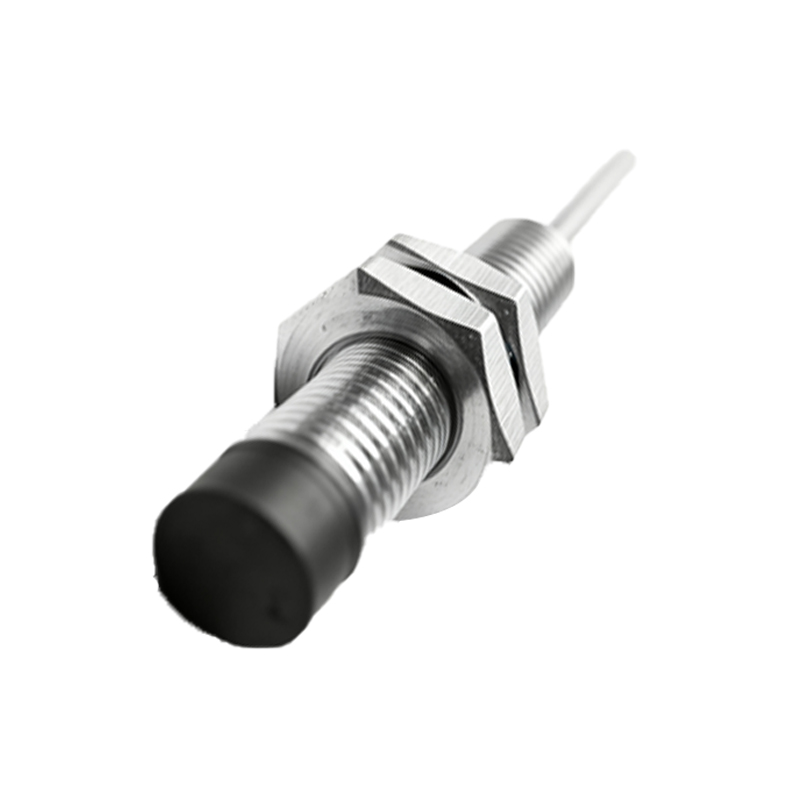
The future of proximity sensor sales is tightly linked to miniaturization, enhanced intelligence, and wireless capabilities. As sensors become smaller and smarter, sales strategies are adapting to cater to both high-volume OEMs and maintenance, repair, and operations (MRO) buyers. For procurement specialists, building a relationship with a knowledgeable supplier who understands the technological nuances and can provide lifecycle support is often more valuable than securing the absolute lowest price per unit. Ultimately, successful procurement hinges on a clear definition of application needs, paired with a supplier whose sales expertise can translate those needs into a reliable, cost-effective sensing solution.