The global industrial landscape is increasingly defined by precision, automation, and data-driven decision-making. At the heart of this transformation are laser sensors, sophisticated devices that have evolved from niche laboratory tools to indispensable components in manufacturing, logistics, robotics, and beyond. The manufacturers behind these technologies are not merely component suppliers; they are pivotal enablers of Industry 4.0, pushing the boundaries of what is possible in measurement, detection, and quality control.
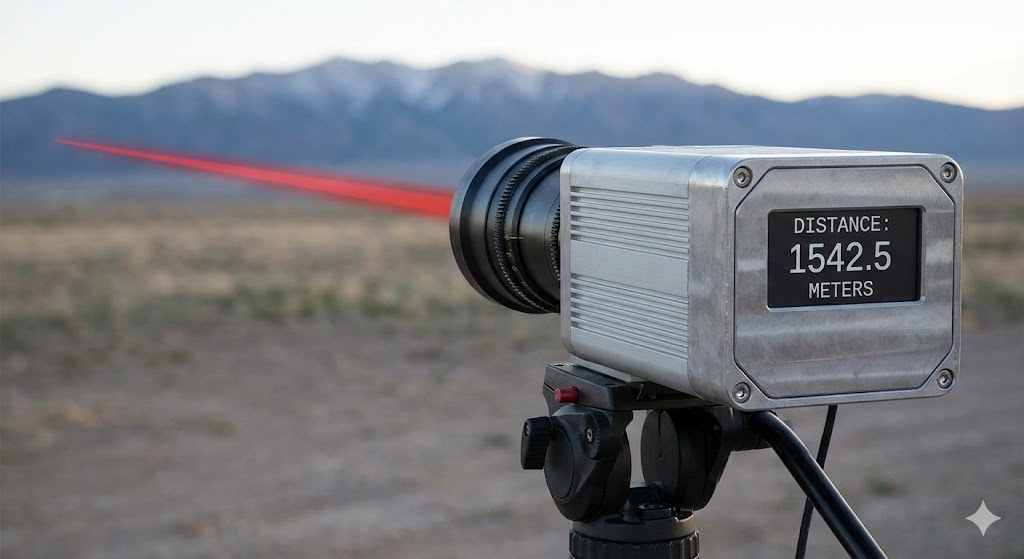
A laser sensor operates by emitting a focused beam of light towards a target. The sensor then analyzes the reflected light to determine critical parameters such as distance, position, height, thickness, or presence. This non-contact method of measurement offers unparalleled advantages: extreme accuracy down to the micrometer level, high-speed response for dynamic processes, and reliability in harsh environments where physical contact is impossible or detrimental. Unlike traditional mechanical or ultrasonic sensors, laser sensors provide a small, precise spot size, allowing for the inspection of very small parts or features.

The ecosystem of laser sensor manufacturers is diverse, catering to a wide spectrum of industrial needs. Leading companies in this field typically specialize in specific core technologies, such as time-of-flight (ToF), triangulation, confocal chromatic, or laser line profiling. For instance, manufacturers focusing on ToF sensors produce units ideal for long-range distance measurement in logistics automation or vehicle guidance. In contrast, those mastering triangulation sensors deliver exceptional precision for displacement and thickness gauging in high-speed production lines, such as in semiconductor or automotive assembly.
Innovation among these manufacturers is relentless. The current trend is towards miniaturization, increased robustness, and enhanced intelligence. Modern laser sensors are becoming smaller, allowing for integration into compact machinery and collaborative robots (cobots). They are also being built to withstand extreme temperatures, intense vibrations, and exposure to dust or coolants common in industrial settings. Furthermore, smart sensors with integrated IO-Link or Ethernet connectivity are becoming standard. This allows for real-time data transmission, remote configuration, and predictive maintenance, feeding valuable process data directly into plant-wide digital networks.
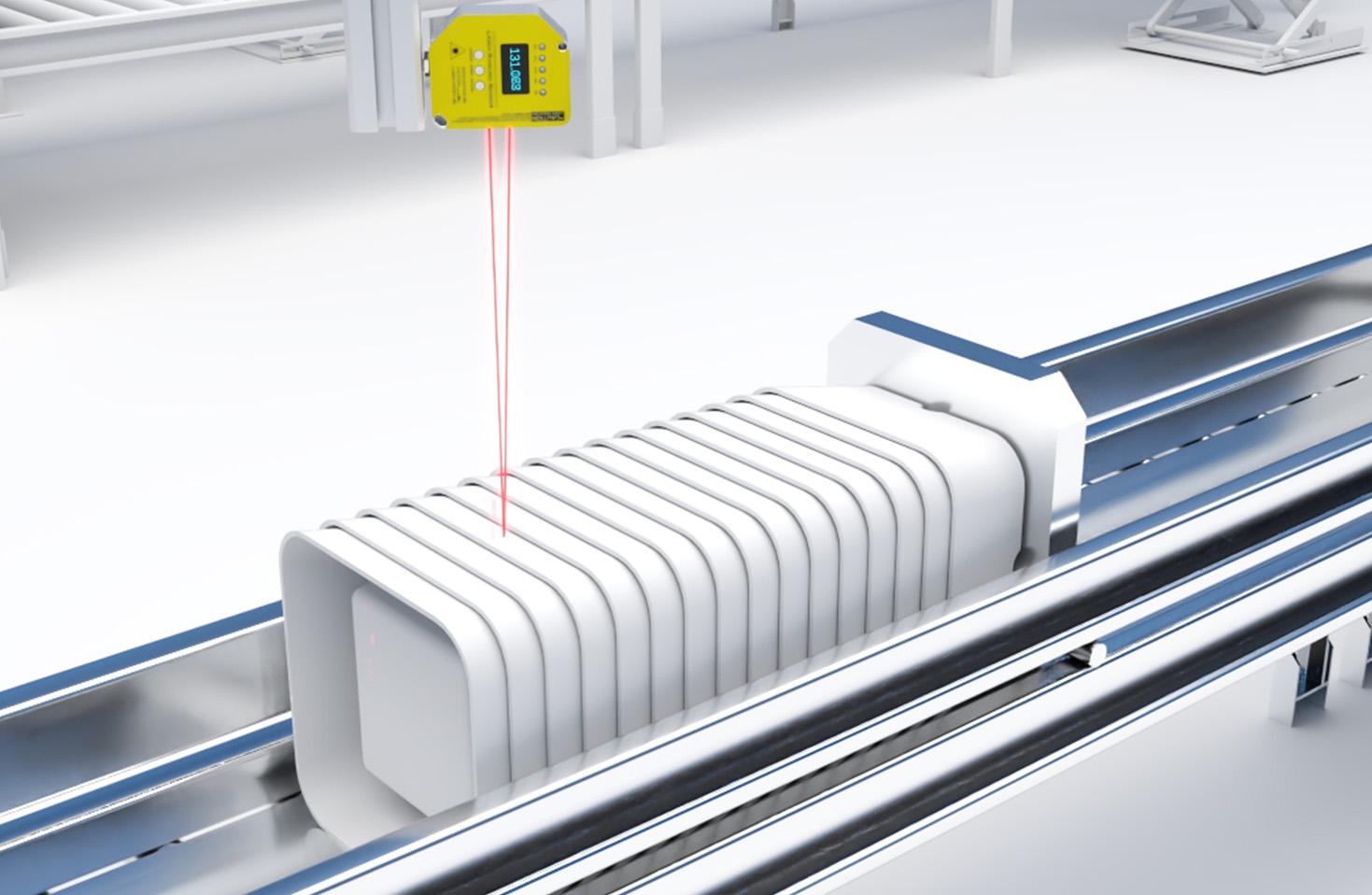
The application areas vividly demonstrate the manufacturers' impact. In automotive manufacturing, laser sensors perform 100% inline inspection of weld seams, measure critical body panel gaps with absolute consistency, and guide robots for precise assembly. In the electronics industry, they ensure the exact placement of microchips on circuit boards and measure the thickness of wafer coatings. Beyond traditional factories, laser sensors from specialized manufacturers enable the automation of warehouses, guide agricultural machinery, and even assist in medical device production.
Choosing the right laser sensor manufacturer is a critical decision for engineering and procurement teams. Key considerations extend beyond basic specifications. The depth of application engineering support is paramount. Top-tier manufacturers provide extensive technical documentation, software tools for simulation and configuration, and expert support to solve complex integration challenges. Product range and scalability are also crucial; a supplier offering a comprehensive portfolio from standard diffuse sensors to advanced multi-point profilers can be a long-term partner for evolving needs. Finally, global availability, local service networks, and proven reliability in field operations are non-negotiable for minimizing downtime in continuous production environments.
The future trajectory for laser sensor manufacturers points towards even greater integration and capability. The convergence of laser measurement with artificial intelligence and advanced machine vision is creating a new generation of "seeing" sensors that can not only measure dimensions but also identify defects, classify objects, and make autonomous decisions. As industries strive for zero-defect production, enhanced flexibility, and total process transparency, the role of innovative laser sensor manufacturers will only become more central. Their continued advancement in photonics, optics, and digital integration is fundamentally shaping a more efficient, precise, and intelligent industrial world.