In the dynamic world of industrial automation and machinery, proximity sensors play a crucial role in enabling non-contact detection of objects. Whether you're an OEM designer, a maintenance engineer, or a procurement specialist, knowing where to find the right proximity sensor models is essential for project success. This guide outlines the primary sources and key considerations for sourcing these critical components.
Manufacturers' official websites are the most authoritative starting point. Leading brands like Siemens, Omron, Schneider Electric, Pepperl+Fuchs, and Balluff maintain comprehensive online catalogs. These sites allow you to filter sensors by type (inductive, capacitive, ultrasonic, or photoelectric), sensing distance, output type (PNP/NPN, analog, IO-Link), housing material (e.g., stainless steel, brass, PBT), and electrical specifications. Detailed datasheets, CAD drawings, certificates, and application notes are readily available for download. Many also offer configurator tools to tailor a model to your exact needs before requesting a quote or sample.
Authorized distributors and industrial suppliers form the backbone of component procurement. Global distributors like RS Components, Digi-Key, and Mouser Electronics, along with regional specialists, stock a vast array of proximity sensors from multiple manufacturers. Their websites feature robust search engines, real-time inventory levels, and competitive pricing. For local support and faster delivery, national or local industrial automation suppliers are invaluable. They often provide technical assistance, can help with brand cross-referencing, and offer logistical support for bulk orders.
Industry-specific platforms and marketplaces have grown in importance. Websites like IndustryNet, Thomasnet, and even certain sections of global B2B platforms aggregate products from numerous suppliers. These platforms are useful for comparing specifications and prices across different brands in one place. Additionally, many manufacturers and large distributors now list their products on Amazon Business or eBay Business & Industrial, which can be suitable for prototyping or sourcing obsolete models.
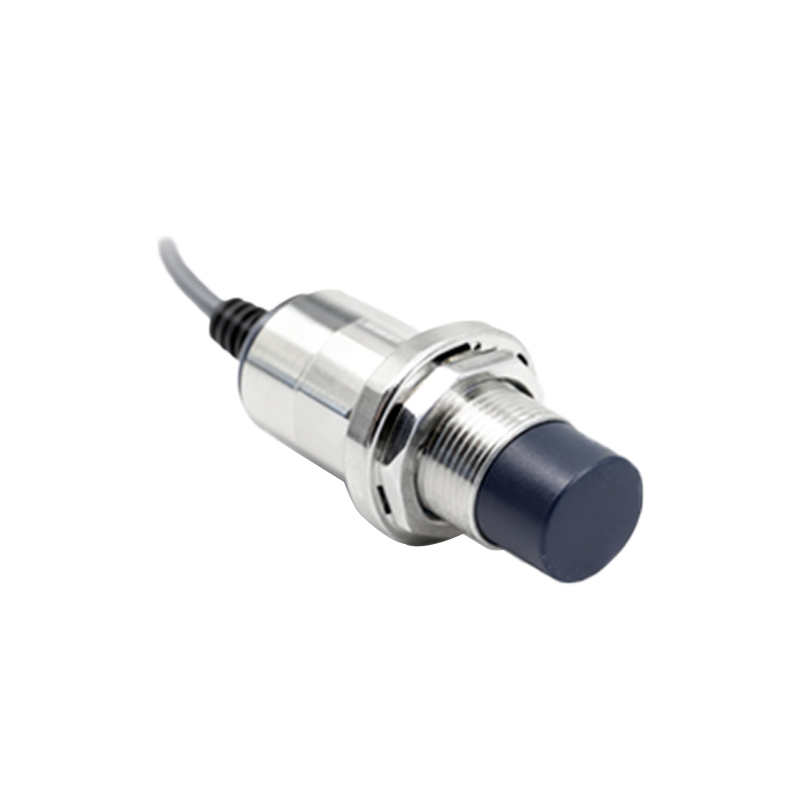
Beyond direct purchasing channels, technical resources are vital for model identification. Engineering forums such as PLCTalk, Control.com, or specific manufacturer community forums host discussions where professionals share experiences with particular sensor models in challenging environments. Trade publications like Control Engineering, Automation World, and Sensors Magazine often publish product round-ups, comparison articles, and buyer's guides, highlighting new and established models. Attending major trade shows like SPS, Hannover Messe, or Automation Fair provides hands-on access to the latest sensor technologies and direct conversations with application engineers.
When searching for a model, precise specification is key. Clearly define your application requirements: the target material (ferrous/non-ferrous metal, plastic, liquid), required sensing range, operating voltage (commonly 10-30V DC or 90-250V AC), output configuration, environmental conditions (IP rating for dust/water, temperature range, resistance to chemicals or weld spatter), and mounting constraints (flush, non-flush, threaded barrel, rectangular). With this information, you can effectively use search filters on supplier websites or articulate your needs to a sales engineer.
For replacing an existing sensor, the part number on the label is your primary guide. If the label is damaged or illegible, use the mechanical dimensions, connector type, and electrical markings to cross-reference in a distributor's database. Many supplier websites offer a "find a similar product" feature based on these parameters. In cases of obsolete models, specialist distributors and online marketplaces for surplus industrial components can be sources for legacy parts, though transitioning to a newer, equivalent model is often recommended for long-term reliability.
In conclusion, finding the right proximity sensor model involves a blend of utilizing digital catalogs from manufacturers and distributors, leveraging technical communities, and clearly defining application needs. A systematic approach ensures you source a sensor that delivers precision, durability, and seamless integration into your control system, ultimately contributing to efficient and uninterrupted operations.