In modern architectural design and facility management, the integration of smart technologies has become paramount for optimizing safety, accessibility, and operational efficiency. Among these innovations, proximity sensor systems for staircases stand out as a critical advancement in both commercial and residential settings. These systems utilize advanced sensing technologies to detect human presence or movement, triggering automated responses such as lighting activation, safety alerts, or access control. This article delves into the technical principles, applications, and benefits of proximity sensor staircases, offering insights for engineers, architects, and facility managers.
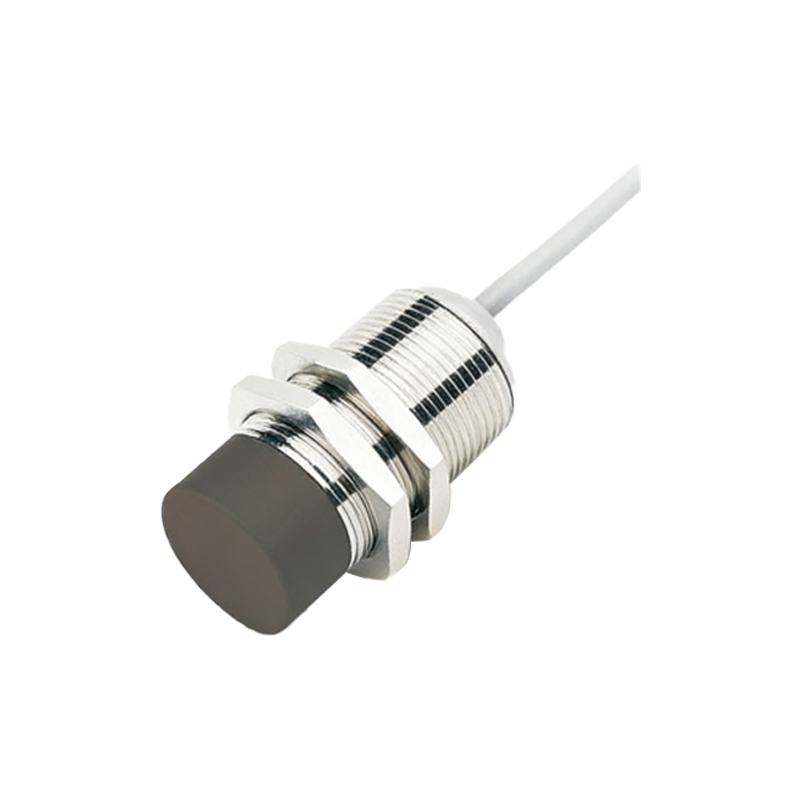
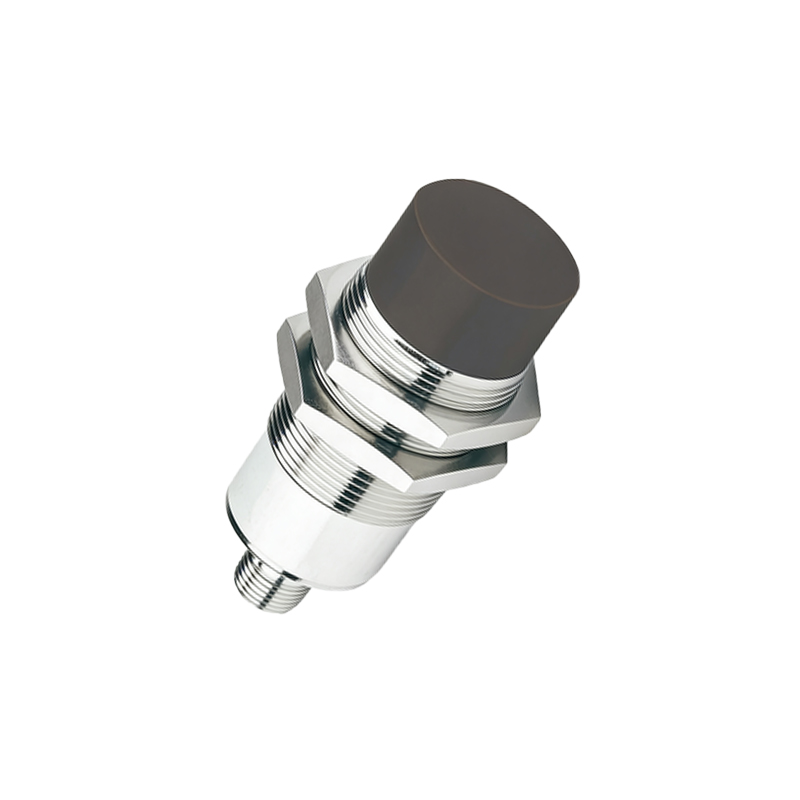
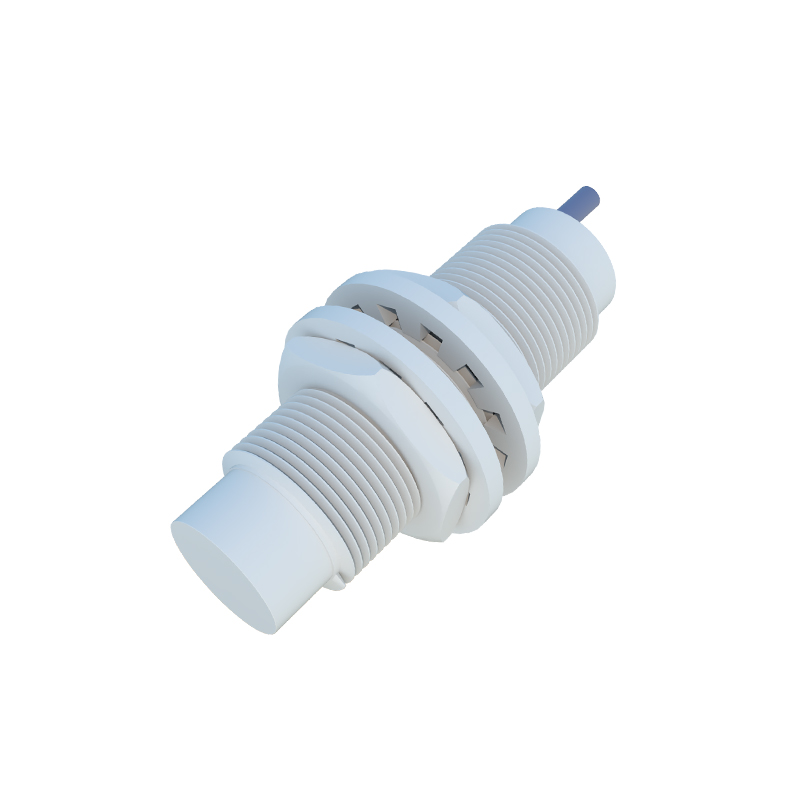
Proximity sensors employed in staircases typically operate based on infrared (IR), ultrasonic, or capacitive sensing mechanisms. Infrared sensors detect heat signatures or reflected IR waves from human bodies, making them ideal for motion-activated lighting in low-traffic areas. Ultrasonic sensors emit high-frequency sound waves and measure their reflection to identify movement, providing reliable detection even in dusty or dim environments. Capacitive sensors, though less common for staircases, respond to changes in electrical fields caused by human proximity, offering high precision for safety interlocks. Each technology has distinct advantages: IR sensors are cost-effective and energy-efficient, ultrasonic sensors excel in robustness, and capacitive variants ensure minimal false triggers.
The primary application of proximity sensors in staircases is automated lighting control. By illuminating steps only when occupants are detected, these systems significantly reduce energy consumption compared to traditional always-on lighting. This is particularly beneficial in buildings with high foot traffic variability, such as office complexes, hotels, or multi-family residences. Studies indicate that motion-activated lighting can cut energy usage by up to 30-50%, aligning with global sustainability goals. Moreover, well-lit staircases enhance safety by preventing trips and falls, especially in emergency scenarios where power outages may occur—many systems include battery backups for uninterrupted operation.
Beyond lighting, proximity sensors contribute to advanced safety features. For instance, sensors can be integrated with alarm systems to monitor unauthorized access or detect prolonged inactivity (e.g., a person falling on stairs), automatically alerting security personnel. In industrial settings, sensors may halt nearby machinery when workers approach staircase zones, mitigating accident risks. Additionally, for elderly or disabled individuals, sensor-triggered voice prompts or handrail lighting can improve navigation, supporting inclusive design principles.
Installation and maintenance considerations are crucial for optimal performance. Engineers must assess staircase geometry, material composition, and environmental factors like humidity or temperature fluctuations. For example, metal staircases might interfere with capacitive sensors, while glass components could affect IR accuracy. Regular calibration and testing are recommended to ensure sensitivity thresholds avoid false activations from pets or moving objects. Wireless sensor networks, powered by low-energy protocols like Zigbee or LoRaWAN, simplify retrofitting in existing structures without extensive wiring.
Looking ahead, the convergence of proximity sensors with IoT (Internet of Things) platforms is revolutionizing staircase management. Real-time data from sensors can be analyzed to predict maintenance needs, optimize traffic flow, or integrate with building automation systems for holistic energy management. Innovations such as millimeter-wave radar sensors promise even finer detection capabilities, distinguishing between human and non-human movements with higher accuracy.
In conclusion, proximity sensor staircases represent a synergy of safety, efficiency, and smart technology. By adopting these systems, stakeholders can create adaptive environments that respond dynamically to human presence while conserving resources. As urbanization and smart city initiatives expand, the role of such sensor-driven solutions will only grow, making them indispensable in future-ready infrastructure.