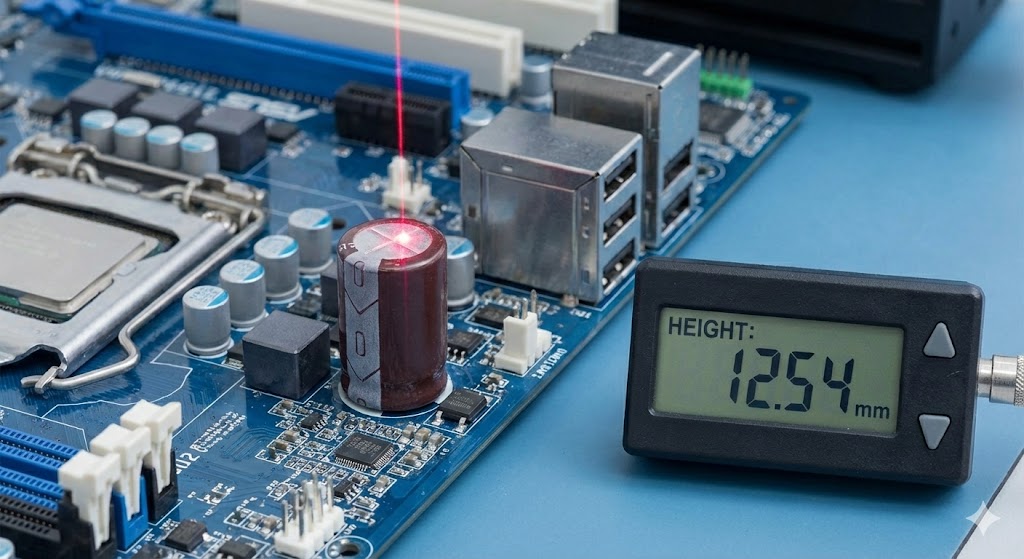
In the landscape of industrial automation, precision measurement and reliable detection are non-negotiable prerequisites for efficiency, quality, and safety. Among the myriad of sensing technologies available, industrial-grade laser sensors have emerged as a cornerstone, offering unparalleled accuracy and versatility. These devices operate on the principle of emitting a focused beam of coherent light—a laser—towards a target and analyzing the reflected signal to determine distance, presence, dimensions, or surface characteristics. Unlike conventional photoelectric sensors, laser sensors utilize a highly collimated beam, enabling precise measurement over long distances and the ability to detect minute objects or features.
The core technology behind these sensors often involves time-of-flight (ToF), triangulation, or laser contrast measurement principles. Time-of-flight sensors calculate distance by measuring the time delay between the emission and reception of the laser pulse. This method is exceptionally effective for long-range applications, such as level monitoring in large silos or vehicle detection in logistics yards. Triangulation sensors, on the other hand, use a geometric approach where a laser dot is projected onto the target, and its position is detected by a receiver at a known angle. This allows for extremely high-resolution measurements at shorter ranges, ideal for inspecting component heights, thicknesses, or edge positions on high-speed production lines. Laser contrast sensors excel in differentiating surfaces based on their reflectivity or color, crucial for tasks like label detection, print mark verification, or material sorting.
The defining advantages of industrial laser sensors are their precision, speed, and environmental robustness. They can achieve sub-micron resolution in displacement measurements and operate with response times in the microsecond range, keeping pace with the most demanding high-speed machinery. Furthermore, they are engineered to withstand the harsh conditions typical of industrial environments. Enclosures are rated to high IP standards for protection against dust and water ingress. Components are selected and designed to resist vibration, electrical noise, and significant temperature fluctuations, ensuring consistent performance in settings ranging from automotive assembly plants to food and beverage processing facilities.
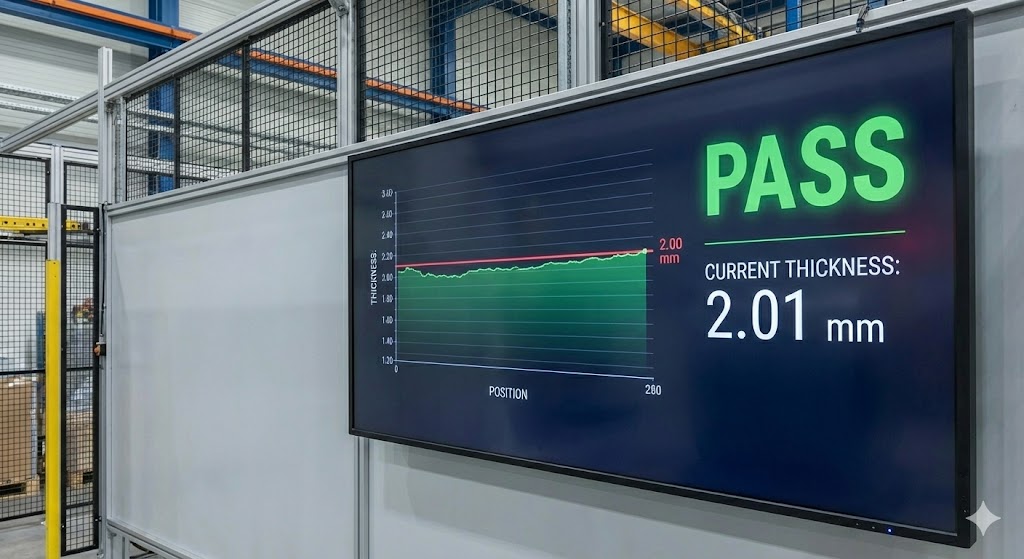
Applications for these sensors are vast and continually expanding. In robotics, they are integral for precise guidance, positioning, and obstacle avoidance. In quality control, they perform non-contact inspection of dimensions, contours, and surface defects with incredible accuracy. They monitor fill levels in opaque containers, control web tension in printing and converting, and ensure accurate registration in packaging machinery. The advent of Industry 4.0 and smart manufacturing has further elevated their role. Modern industrial laser sensors often come equipped with advanced communication protocols like IO-Link, Ethernet/IP, or PROFINET. This connectivity enables not just the transmission of a simple switch signal but a continuous stream of rich process data—such as exact measured values, sensor health status, and diagnostic information—directly into supervisory control and data acquisition (SCADA) systems or Manufacturing Execution Systems (MES). This data-driven approach facilitates predictive maintenance, real-time process optimization, and seamless integration into digital twin models.
Selecting the right industrial laser sensor requires a careful analysis of the application's specific needs. Key parameters to consider include measurement range, resolution, spot size, response time, and the target material's properties (e.g., color, reflectivity, surface texture). Environmental factors like ambient light, temperature, and the presence of contaminants must also be accounted for. It is often advisable to consult with sensor specialists or manufacturers to conduct application tests, ensuring the selected model delivers the required performance and reliability.
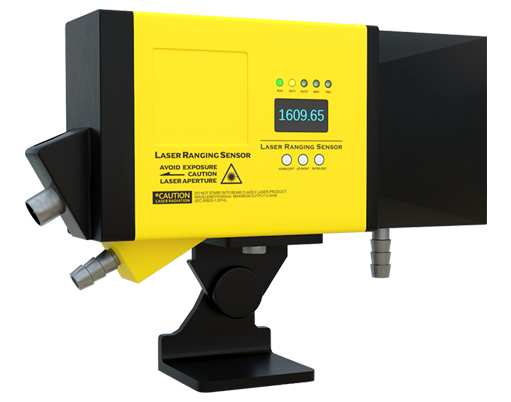
In conclusion, industrial laser sensors represent a critical fusion of optical precision and rugged engineering. They are indispensable tools that empower modern automation systems to achieve higher levels of accuracy, flexibility, and intelligence. As manufacturing processes become more complex and data-centric, the evolution of laser sensing technology—with trends pointing towards miniaturization, multi-functional capabilities, and enhanced embedded intelligence—will continue to be a primary driver of innovation and operational excellence on the factory floor.