In the rapidly evolving landscape of industrial automation and smart building management, human proximity sensor doors have emerged as a cornerstone technology, seamlessly blending safety, energy efficiency, and operational fluidity. As an electrical engineer with extensive field experience, I have witnessed firsthand the transformative impact of these systems, moving far beyond the simple automatic doors of the past. Modern proximity-sensing door systems represent a sophisticated integration of sensing technology, control logic, and actuation mechanisms, all governed by robust electrical engineering principles.
At its core, a human proximity sensor door system operates by detecting the presence or approach of a person within a defined detection zone. This is typically achieved through non-contact sensing technologies. Passive Infrared (PIR) sensors are common, detecting changes in infrared radiation emitted by the human body. However, for more reliable and nuanced control, microwave Doppler sensors and, increasingly, active infrared sensors or LiDAR modules are employed. Microwave sensors emit continuous low-power microwave signals and detect frequency shifts caused by moving objects, making them highly effective. The choice of sensor technology is a critical electrical design decision, balancing factors like detection range, sensitivity to environmental conditions (e.g., sunlight, temperature), cost, and power consumption.
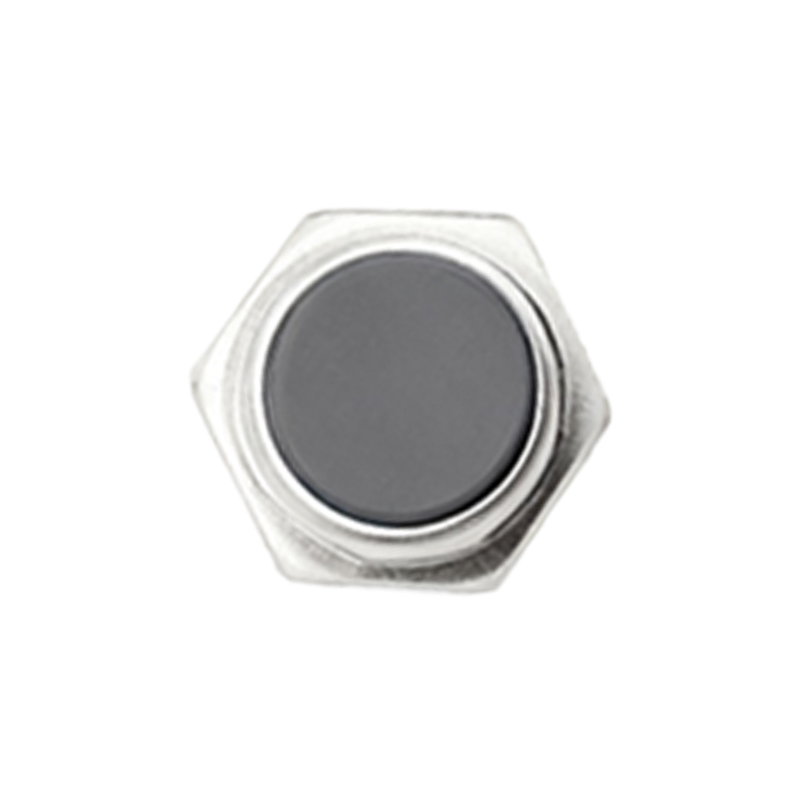
The electrical architecture of these systems is paramount. The sensor acts as the input device to a programmable logic controller (PLC) or a dedicated microcontroller unit (MCU). This controller processes the raw sensor signal, applying filtering algorithms to distinguish a human approach from environmental noise—like a passing cart or air current. Once a valid trigger is confirmed, the controller executes a pre-programmed sequence. It sends a command signal, often a low-voltage DC control signal, to the door actuator's power circuit. This circuit typically involves contactors or solid-state relays that safely switch the higher voltage AC or DC power required by the door's motor drive system.
Safety is not an add-on but an integral, non-negotiable layer designed into the electrical schematics. Modern systems incorporate redundant safety sensors, often in the form of light curtains or safety-rated laser scanners, positioned at the door's edges. These create an invisible safety zone. If an object or person is detected within this zone during the closing cycle, the control logic initiates an immediate stop or reversal command, overriding the primary opening/closing signal. This functionality adheres strictly to international safety standards such as IEC 61508 (functional safety) and ISO 13849 (safety of machinery). Furthermore, fail-safe design is crucial: in the event of a power failure or system fault, the door must default to a safe state, often involving a manual override or a controlled, slow release mechanism.
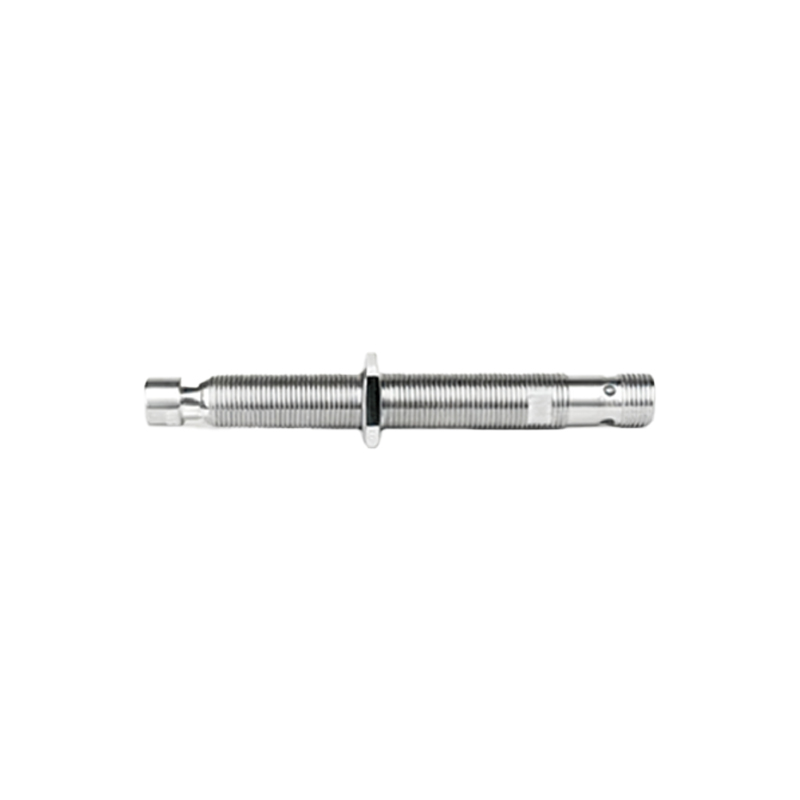
From an efficiency standpoint, the benefits are substantial. In climate-controlled environments like warehouses, cleanrooms, or retail spaces, these doors minimize the open-door time, drastically reducing energy loss from HVAC systems. The automated operation also improves traffic flow in high-throughput areas, reducing bottlenecks and enhancing productivity. Maintenance, a key consideration for any electrical system, is streamlined through diagnostic features built into modern controllers. They can log operation cycles, error codes, and sensor health, allowing for predictive maintenance rather than reactive repairs.
Looking ahead, the integration of proximity sensor doors into the Industrial Internet of Things (IIoT) and building management systems (BMS) is the next frontier. By equipping door controllers with Ethernet or wireless communication modules (e.g., Wi-Fi, LoRaWAN), data on usage patterns, energy savings, and maintenance alerts can be fed into centralized dashboards. This enables facility managers to optimize building performance holistically. Furthermore, advancements in sensor fusion, combining data from cameras with traditional proximity sensors, promise even more intelligent behavior, such as distinguishing between personnel approaching with carts or individuals, and adjusting opening speed and duration accordingly.
In conclusion, human proximity sensor doors are a brilliant example of applied electrical engineering solving practical problems. They are not merely convenience items but critical components that enhance safety protocols, optimize energy consumption, and contribute to smarter, more responsive built environments. For engineers specifying or maintaining these systems, a deep understanding of the underlying sensor technologies, control logic, safety integrations, and network capabilities is essential to unlock their full potential and ensure reliable, long-term operation.