Square proximity sensors have become indispensable components in modern industrial automation, offering reliable non-contact detection for a wide range of applications. Unlike cylindrical sensors, their flat, compact design allows for easier integration into tight spaces and mounting on flat surfaces, making them particularly suitable for assembly lines, packaging machinery, and material handling systems. These sensors operate on various principles, including inductive, capacitive, and magnetic sensing technologies, each tailored to detect specific types of targets. Inductive square proximity sensors, for instance, are ideal for detecting metallic objects, while capacitive variants can sense non-metallic materials such as plastics, liquids, or wood. Magnetic square sensors are commonly used for detecting permanent magnets or magnetic fields in safety and position sensing applications.
One of the key advantages of square proximity sensors is their robust construction, often featuring IP67 or higher ingress protection ratings, which ensures durability in harsh environments with exposure to dust, moisture, and vibrations. Many models incorporate LED indicators for easy status monitoring and diagnostics, reducing downtime during maintenance. When selecting a square proximity sensor, engineers must consider critical parameters such as sensing distance, response frequency, output type (e.g., PNP, NPN, or analog), and supply voltage compatibility. For example, a typical inductive square sensor might offer a sensing range of 2 to 15 mm, with high-speed response times up to 5 kHz, enabling precise detection in fast-moving production processes.
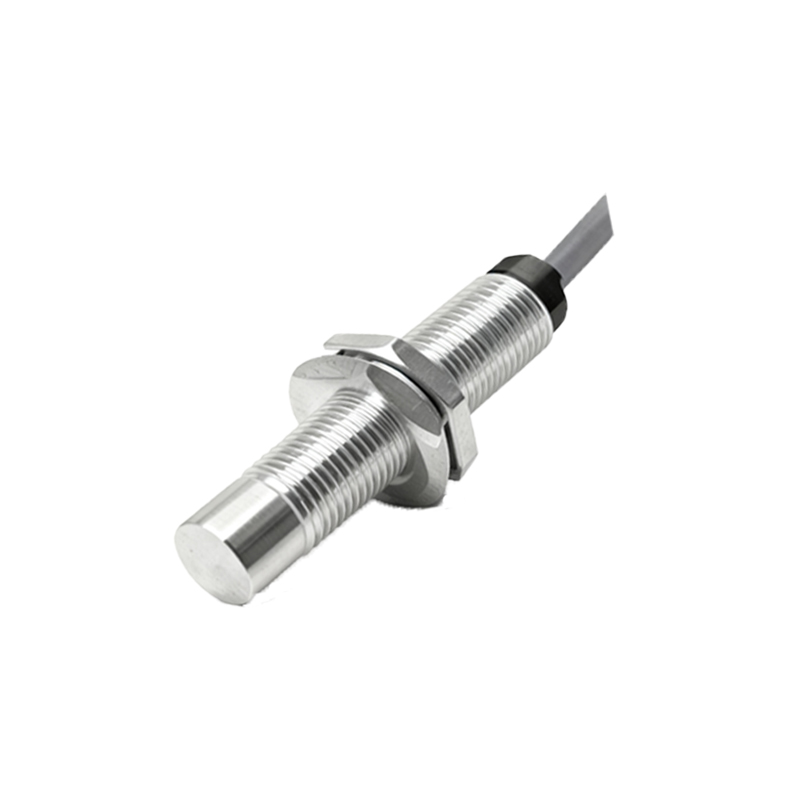
Installation and alignment are straightforward due to their flat housing, but proper shielding and environmental factors must be accounted for to prevent interference from adjacent metal objects or electrical noise. In automotive manufacturing, square proximity sensors are deployed for part presence verification on conveyor belts, while in food processing, stainless-steel versions withstand frequent washdowns. Recent advancements include IO-Link communication capabilities, allowing for smart sensor networks that enable real-time data exchange, predictive maintenance, and parameter adjustments via PLCs. As Industry 4.0 evolves, the integration of square proximity sensors with IoT platforms enhances operational efficiency by providing actionable insights into machine performance and production metrics.
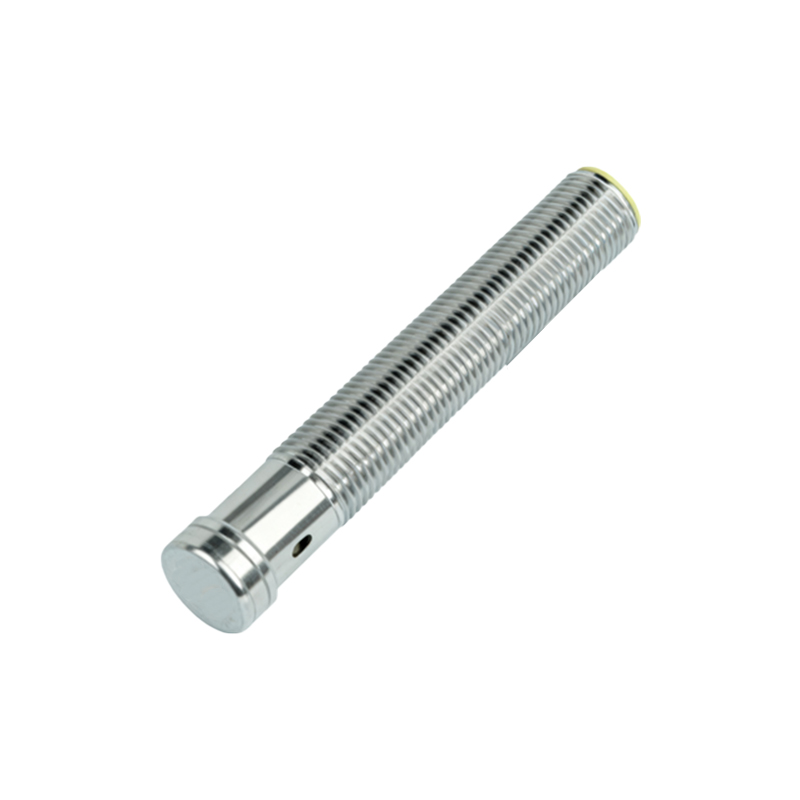
Despite their reliability, common challenges include false triggering due to environmental contaminants or incorrect mounting. Regular calibration and adherence to manufacturer guidelines for temperature ranges (typically -25°C to 70°C) ensure optimal performance. Future trends point toward miniaturization, increased sensing distances, and enhanced energy efficiency, driven by demands for smarter, more compact automation solutions. By understanding the technical specifications and application-specific requirements, engineers can leverage square proximity sensors to improve safety, accuracy, and productivity in diverse industrial settings, from robotics to renewable energy systems.