In the rapidly evolving landscape of industrial manufacturing, laser cutting technology stands as a cornerstone of precision fabrication. At the heart of this technology lies the laser cutting head sensor, a critical component that ensures operational accuracy, safety, and efficiency. This article delves into the functionalities, types, and advancements of these sensors, highlighting their indispensable role in contemporary machining processes.
Laser cutting head sensors are sophisticated devices designed to monitor and control various parameters during the cutting process. Their primary functions include maintaining optimal focal distance, detecting material surfaces, preventing collisions, and monitoring beam quality. By providing real-time feedback, these sensors enable automated adjustments, which are crucial for achieving high-quality cuts on diverse materials such as metals, plastics, and composites.
One of the most common types is the capacitive sensor, which measures the distance between the cutting head and the workpiece. It operates by detecting changes in capacitance caused by variations in distance. This allows for dynamic height control, ensuring the laser focus remains consistent even on uneven or warped surfaces. Another prevalent type is the optical sensor, which utilizes laser triangulation or confocal measurement techniques to achieve micron-level accuracy. Optical sensors are particularly effective in applications requiring extreme precision, such as in aerospace or medical device manufacturing.
Recent advancements have integrated intelligent features like AI-driven predictive maintenance and IoT connectivity. Modern sensors can now analyze data trends to forecast potential failures, reducing downtime and maintenance costs. Additionally, with Industry 4.0 integration, these sensors facilitate seamless communication with central control systems, enabling remote monitoring and optimization of entire production lines.
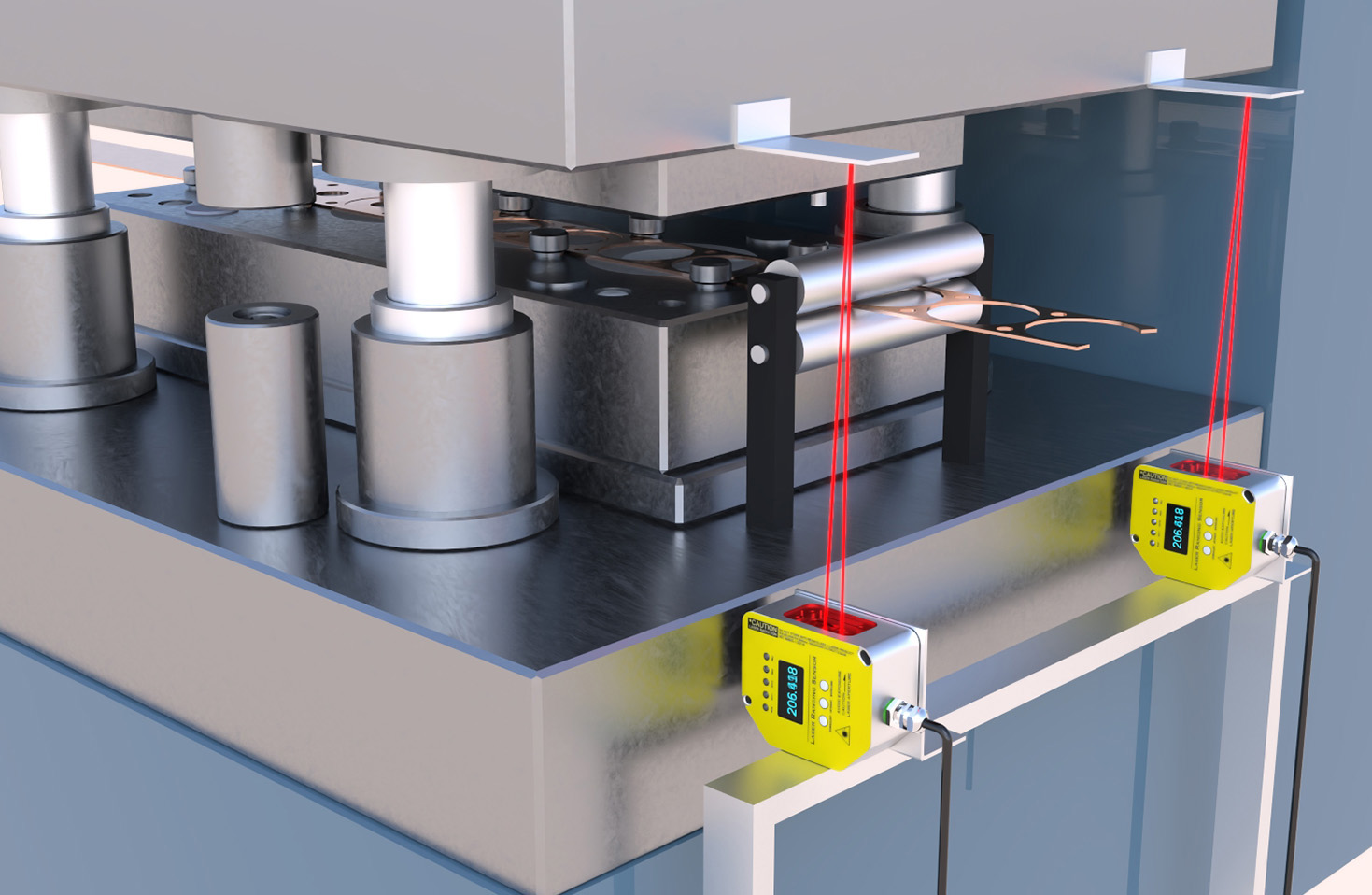
The benefits of advanced laser cutting head sensors are manifold. They significantly enhance cut quality by minimizing errors like kerf width variations or thermal distortions. Safety is improved through collision avoidance systems that automatically retract the head upon detecting obstacles. Moreover, efficiency gains are substantial, as sensors allow for faster processing speeds and reduced material waste, contributing to lower operational costs and higher throughput.
However, selecting the right sensor depends on specific application requirements. Factors such as material type, thickness, desired cut quality, and environmental conditions must be considered. For instance, high-reflectivity materials like copper or aluminum may require sensors with specialized wavelengths to avoid interference. Regular calibration and maintenance are also essential to sustain long-term performance and accuracy.
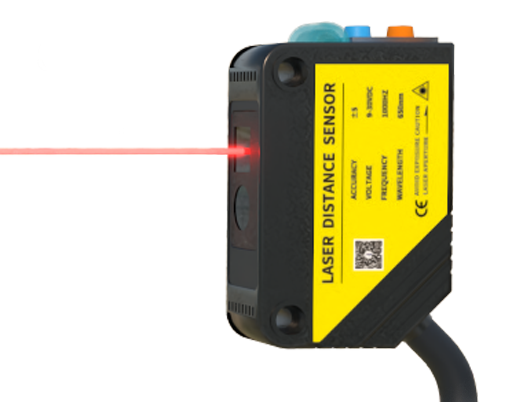
In conclusion, laser cutting head sensors are pivotal in driving the capabilities of modern laser cutting systems. As technology continues to advance, we can expect further innovations, such as enhanced multi-sensor fusion and adaptive learning algorithms, that will push the boundaries of precision manufacturing. Embracing these developments is key for industries aiming to stay competitive in an era of smart automation and digital transformation.
