In the complex ecosystem of industrial automation, proximity sensors are fundamental components, acting as the "eyes" of machinery. For engineers, procurement specialists, and maintenance personnel, navigating the labyrinth of product codes and part numbers associated with these sensors is a critical skill. This article demystifies the typical structure and logic behind proximity sensor product coding, providing a framework for accurate selection and specification.
A standard proximity sensor product code is not a random string of characters; it is a condensed data sheet. It systematically conveys key specifications, enabling quick identification without consulting lengthy catalogs for every query. While manufacturers have unique coding systems, most follow a similar hierarchical logic. The code typically breaks down into segments representing the sensor's core attributes.
The first segment often denotes the Sensor Family or Technology. This is the broadest categorization. Common prefixes include:
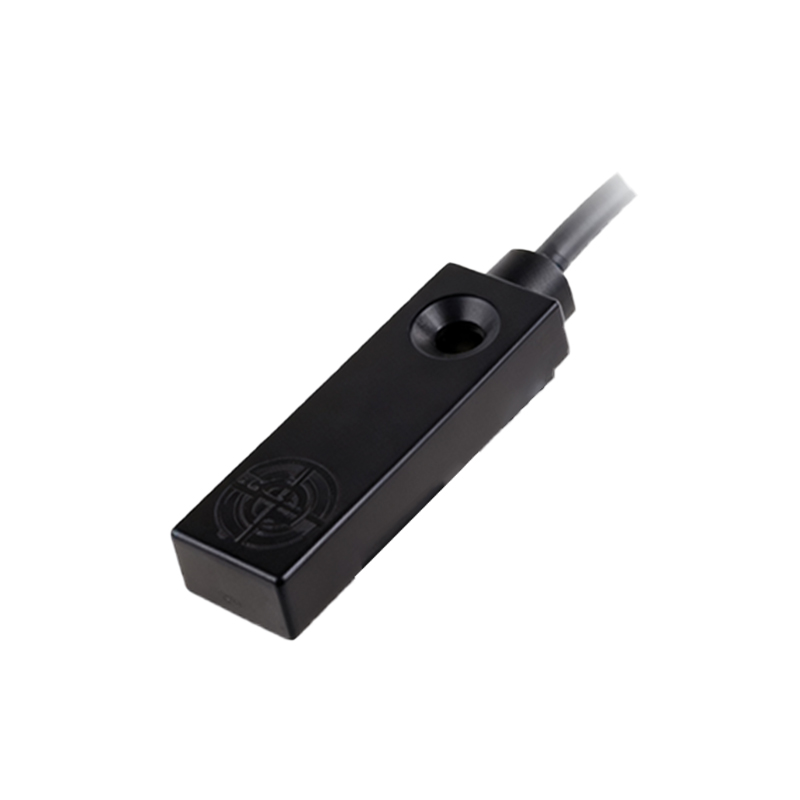
IN: Inductive proximity sensors (for detecting metallic objects).
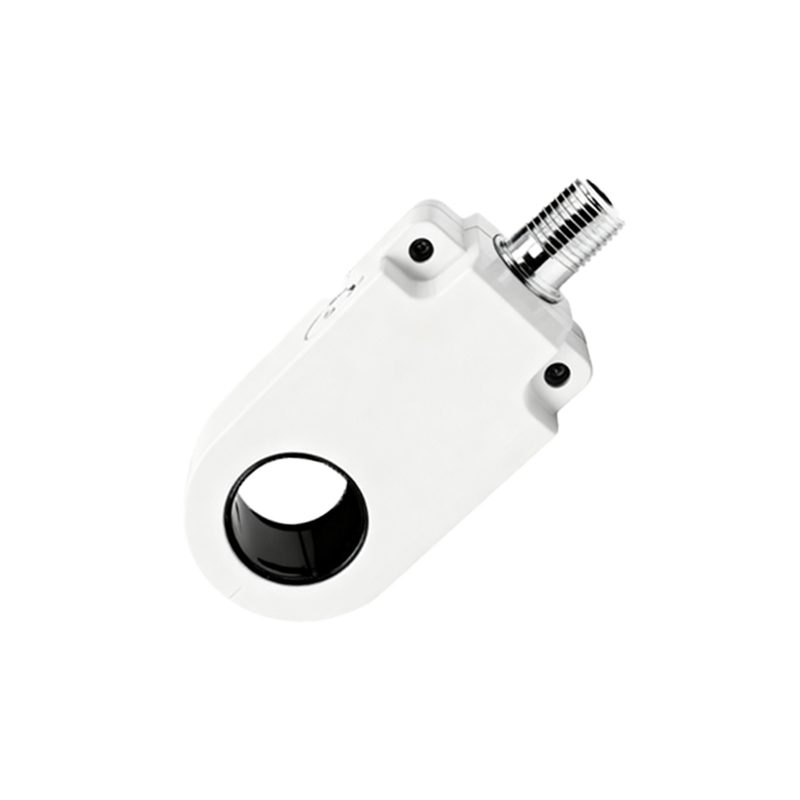
CA: Capacitive proximity sensors (for detecting both metallic and non-metallic materials like liquids, wood, or plastics).
OP: Optical sensors (photoelectric sensors, including through-beam, retro-reflective, and diffuse types).
US: Ultrasonic sensors (for distance measurement and level detection).
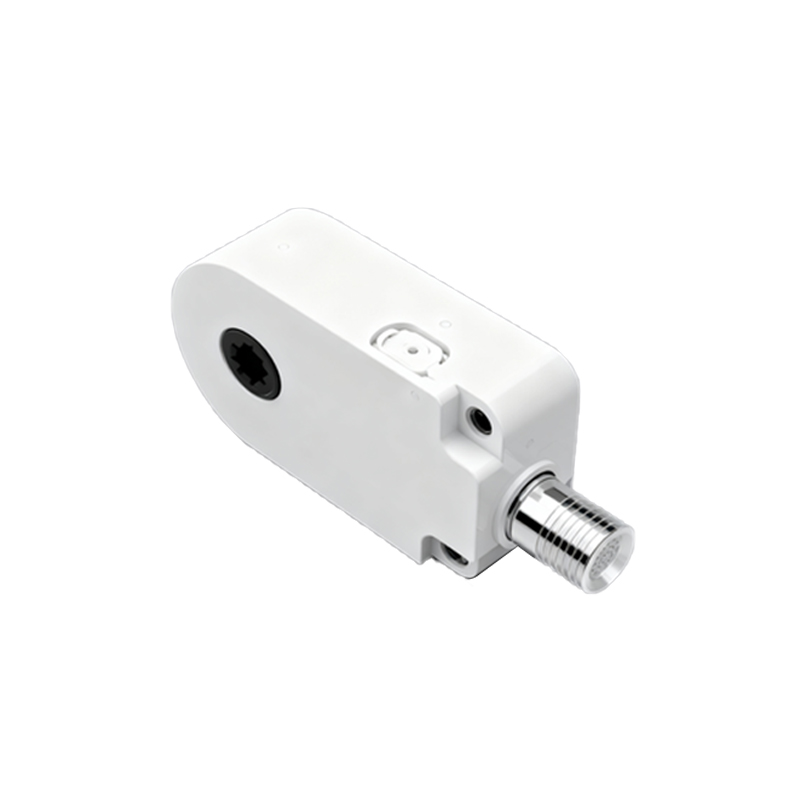
MA: Magnetic sensors (reed or Hall effect types, often used with pneumatic cylinders).
Following the technology identifier, the code usually specifies the Form Factor and Housing. This describes the physical shape and size, crucial for mechanical integration. Examples include:
Cylindrical: Codes might indicate thread size (e.g., M8, M12, M18, M30) and length.
Rectangular or Block: Codes may denote dimensions (e.g., 40x40x20mm).
Limit-Switch Style: A mechanical switch form factor.
Additional letters might indicate shielded (flush-mountable) or unshielded (non-flush) versions for inductive sensors.
The next critical part of the code defines the Electrical Characteristics and Output Configuration. This segment is vital for electrical integration.
Operating Voltage: Codes like D for DC (e.g., 10-30V DC) or A for AC (e.g., 90-250V AC).
Output Type: This is paramount.
N/O or NO: Normally Open contact.
N/C or NC: Normally Closed contact.
PNP: Sourcing output (common in DC sensors).
NPN: Sinking output (common in DC sensors).
A: Analog output (e.g., 0-10V, 4-20mA).
IO-Link: Designating smart sensor communication capability.
Connection Type: Codes for pre-wired cables (specifying length and connector type, e.g., M12 4-pin) or quick-disconnect (QD) versions.
Further segments often detail Functional and Performance Specifications:
Sensing Distance: Often coded numerically, representing the nominal sensing range in millimeters (e.g., 2, 5, 8, 15).
Output State Indicator: The presence of an LED indicator might be included.
Material: Housing material, such as stainless steel (SS) for washdown or harsh environments, or nickel-plated brass.
IP Rating: Ingress Protection rating (e.g., IP67, IP69K) for dust and water resistance, sometimes implied by the housing code.
Example Decoding: Consider a hypothetical code from a major manufacturer: IN-M12-AP8X-H1141.
IN: Inductive proximity sensor.
M12: Cylindrical housing with M12 thread.
AP8X: Likely specifies a PNP (A), Normally Open (P), 8mm sensing distance (8), and a particular housing style/version (X).
H1141: Could be a manufacturing batch, connector type, or special feature code (requiring the datasheet for precise meaning).
Understanding this coding system streamlines procurement, reduces specification errors, and facilitates inventory management. It allows for quick cross-referencing and comparison between different product lines or even manufacturers who use similar logical structures. When in doubt, the manufacturer's datasheet remains the ultimate authority, as codes can sometimes include factory-specific suffixes for logistics or special variants. However, mastering the core logic of the product code transforms it from a mere part number into a powerful tool for efficient engineering and maintenance in the electrical and automation fields.