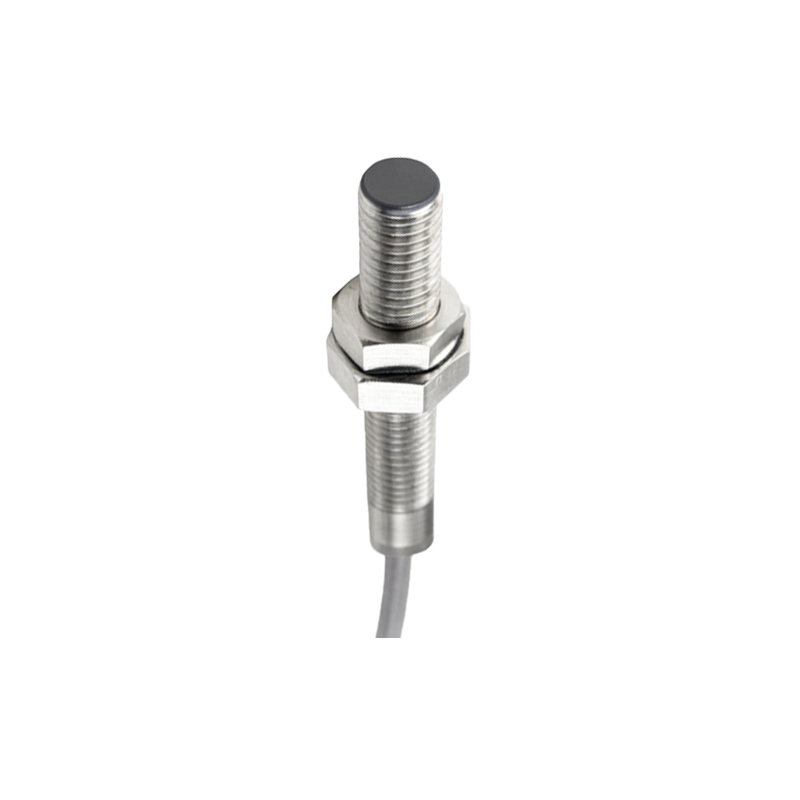
In the realm of industrial automation, proximity switch sensors play a pivotal role, particularly in stamping operations where precision, safety, and efficiency are paramount. These non-contact sensors detect the presence or absence of metallic objects without physical contact, making them ideal for harsh environments like stamping presses where mechanical wear and contamination are common concerns.
Proximity switches used in stamping are predominantly inductive types, designed to sense ferrous metals such as steel or iron. The operating principle relies on an electromagnetic field generated by an oscillator circuit within the sensor. When a metal target enters this field, eddy currents are induced, causing a change in the oscillation amplitude. This change is detected by a threshold circuit, which then triggers a switching action—typically opening or closing an electrical circuit to control machinery. Key advantages include high switching frequency, resistance to vibration, and longevity, as there are no moving parts to degrade.
In stamping applications, these sensors are often deployed for position detection, such as confirming the placement of metal sheets in a press or monitoring the movement of dies. For instance, a sensor might be installed to verify that a workpiece is correctly positioned before the stamping cycle initiates, preventing mis-hits and tool damage. Additionally, they serve as safety interlocks, ensuring guards are closed or that operators are clear of danger zones. The robust construction of industrial-grade proximity switches—usually housed in metal casings with IP67 or higher ratings—protects against coolant, oil, and metal shavings prevalent in stamping environments.
Selecting the right proximity sensor involves several considerations. Sensing distance, or the nominal range at which the sensor can detect a standard target, is critical; in stamping, shorter ranges (e.g., 2-5 mm) are common for precise positioning. Factors like target material, size, and temperature also influence performance. For non-ferrous metals, capacitive or ultrasonic sensors might be alternatives, though inductive types dominate in metal stamping. Installation is another key aspect: sensors must be mounted securely to avoid misalignment, and shielded versions are preferred to minimize interference from adjacent metal structures.
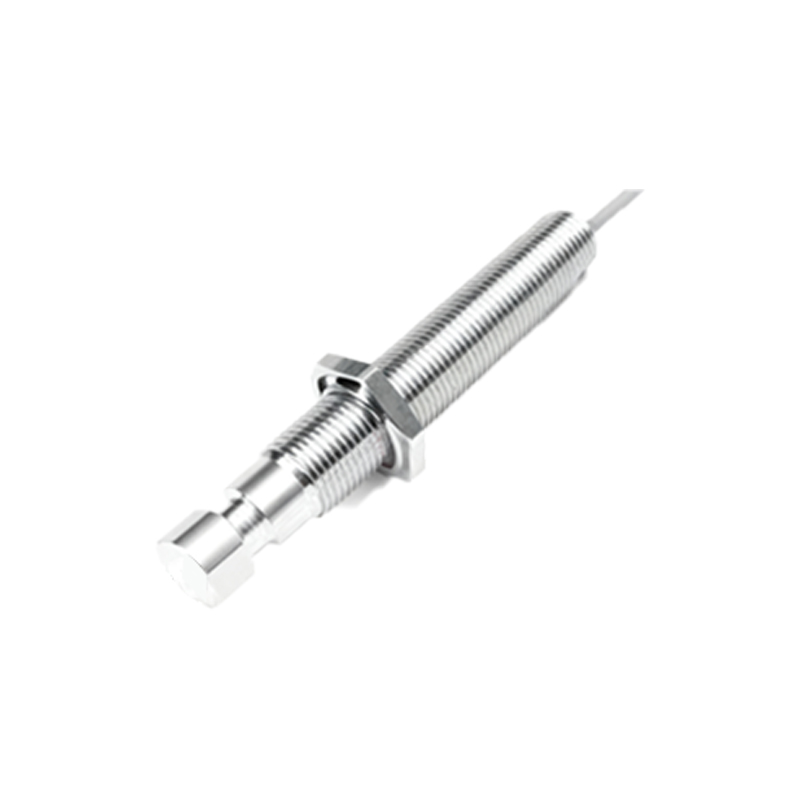
Maintenance of proximity switches in stamping settings is generally minimal but essential. Regular checks for physical damage, accumulation of debris, and electrical connectivity help prevent unexpected downtime. Calibration may be needed over time, especially if environmental conditions fluctuate. Modern sensors often feature LED indicators for diagnostic purposes, simplifying troubleshooting.
The integration of proximity sensors with programmable logic controllers (PLCs) enhances stamping automation. By providing real-time feedback, these sensors enable precise control over press cycles, contributing to higher throughput and consistent product quality. As Industry 4.0 advances, smart sensors with IO-Link or Ethernet connectivity are gaining traction, offering data on operating status and predictive maintenance needs.
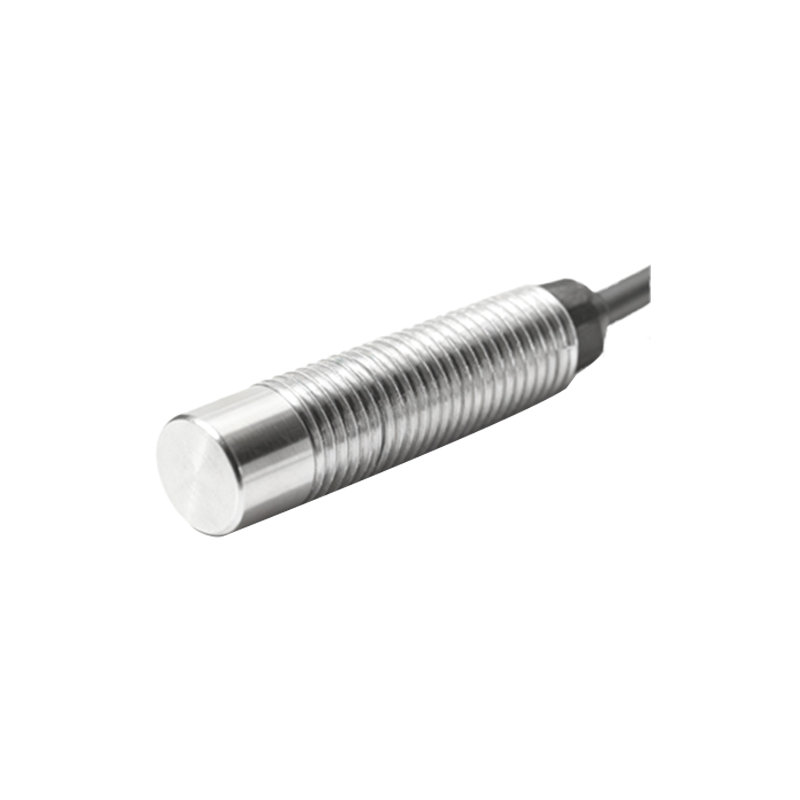
In summary, proximity switch sensors are indispensable in stamping operations, offering reliable, non-contact detection that boosts safety and productivity. Their adaptability to demanding conditions makes them a cornerstone of modern manufacturing. Engineers must carefully evaluate application requirements to optimize sensor selection and implementation, ensuring seamless operation in automated stamping lines.