In the demanding landscape of modern industrial automation, process control, and harsh environment monitoring, the role of proximity sensors is pivotal. Among these, high-temperature proximity sensors stand out as specialized components engineered to deliver reliable performance where conventional sensors would fail. These devices are designed to detect the presence or absence of an object within a specified sensing range without physical contact, even when subjected to extreme thermal conditions that can exceed 200°C and, in some advanced models, approach 500°C or more.
The core performance of a high-temperature proximity sensor is defined by several critical parameters that must be carefully evaluated for any application. First and foremost is its operational temperature range. This is not merely the ambient temperature but must account for radiant heat from nearby processes, such as molten metal, glass forming, or high-temperature curing ovens. Sensors rated for continuous operation at elevated temperatures utilize specialized materials in their construction. Housing materials often shift from standard plastics to metals like stainless steel or specialized high-temperature alloys. Internal components, including coils, semiconductors, and wiring, must employ high-temperature-grade solders, ceramics, and insulation materials to prevent degradation, drift in sensing characteristics, or catastrophic failure.
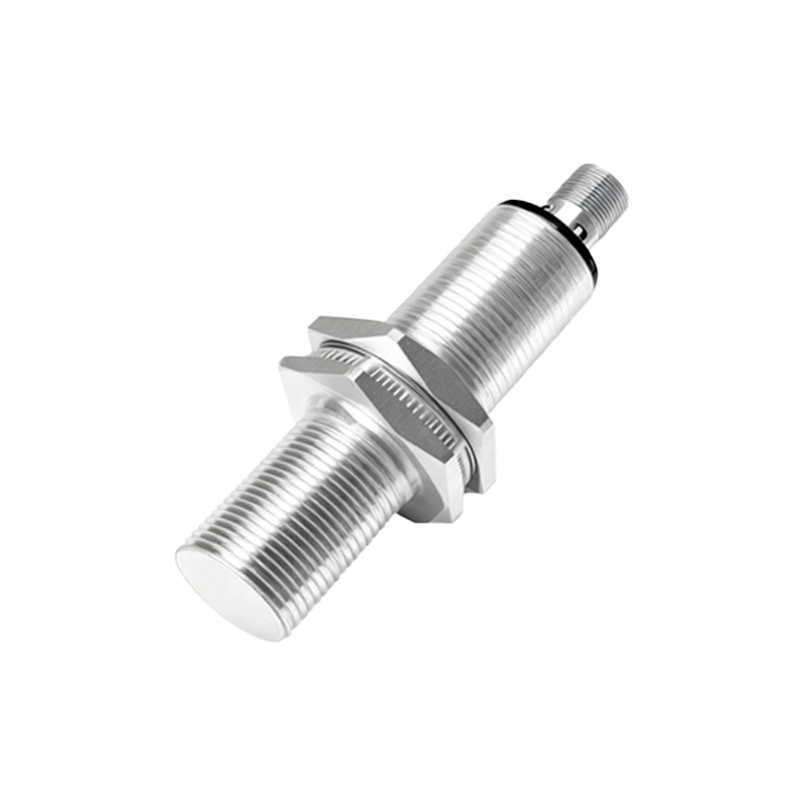
Another paramount performance metric is sensing distance, or nominal range. High temperatures can affect the electromagnetic fields used in inductive sensors or the signal propagation in capacitive and ultrasonic variants. Reputable manufacturers will specify the derating curves, showing how the effective sensing distance may decrease as temperature increases. Consistency and repeatability of detection under thermal cycling—repeated heating and cooling—are also crucial. A sensor must maintain its switching point accuracy without significant hysteresis, ensuring reliable machine operation in processes like die-casting or forging.
The choice of sensing technology is fundamental. Inductive proximity sensors are predominant for detecting metallic objects in high-heat environments. Their solid-state, wear-free design is advantageous, but the high-temperature performance hinges on the stability of the ferrite core and coil. Capacitive sensors, capable of detecting non-metallic materials, face greater challenges as the dielectric properties of both the target and the surrounding medium (like hot air or steam) change with temperature, requiring sophisticated compensation circuits. For the most extreme environments, specialized technologies like fiber-optic sensors with remote amplifiers become necessary, as only the rugged, passive sensing tip is exposed to the heat.
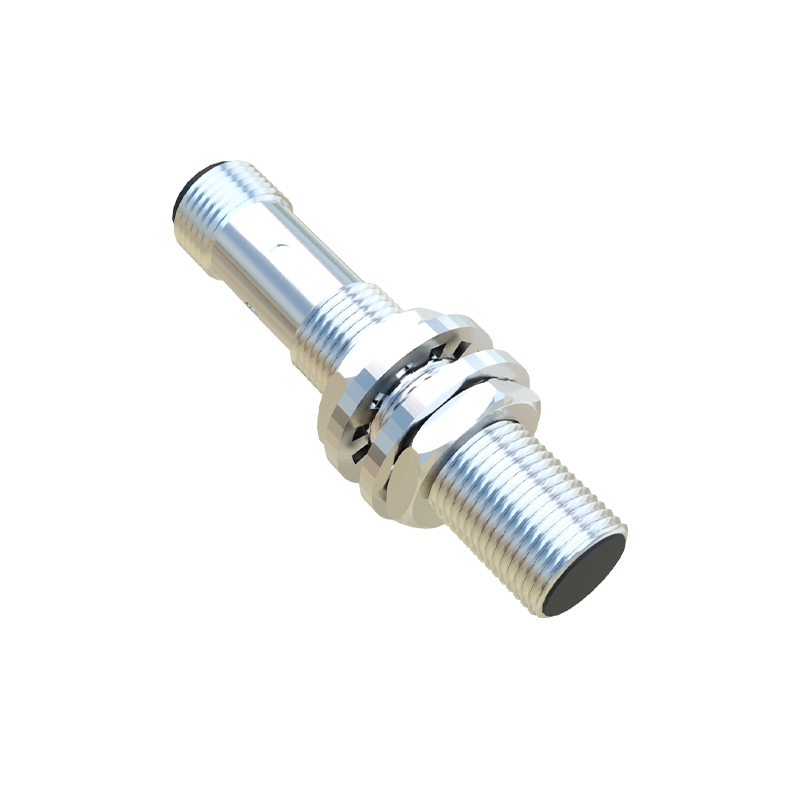
Environmental resilience extends beyond temperature. Many high-temperature applications involve exposure to coolants, oils, metallic dust, or severe mechanical shock and vibration. An ingress protection (IP) rating of IP67 or higher is typically a minimum requirement, with many models offering IP69K for high-pressure washdown. The electrical connection and cabling are also vulnerable points; high-temperature, flexible cables with silicone or Teflon insulation are essential to prevent brittleness and short circuits.
Applications for these robust sensors are diverse and critical. In the automotive industry, they monitor parts in paint-drying ovens and curing processes. In metal processing, they provide position feedback for furnace doors, billet presence in hot rolling mills, and mold clamping in die-casting machines. The glass and ceramics industry relies on them for bottle forming and kiln monitoring. In energy generation, they are found in turbine monitoring and boiler systems. In each case, sensor failure can lead to costly downtime, safety hazards, or product quality issues.
Selecting the right high-temperature proximity sensor requires a systematic approach. Begin by defining the absolute maximum ambient and surface temperatures the sensor will encounter. Next, identify the target material, required sensing distance, and necessary output type (e.g., PNP/NPN, analog, IO-Link). Consider the installation constraints, including size (often more compact is better to reduce thermal mass) and mounting style (threaded barrel or rectangular). The electrical characteristics, such as supply voltage and current load, must match the control system. Finally, factor in any additional stresses like chemical exposure, pressure, or need for rapid cycling. Consulting with sensor specialists during the design phase of a high-temperature system is highly recommended to avoid costly field retrofits.
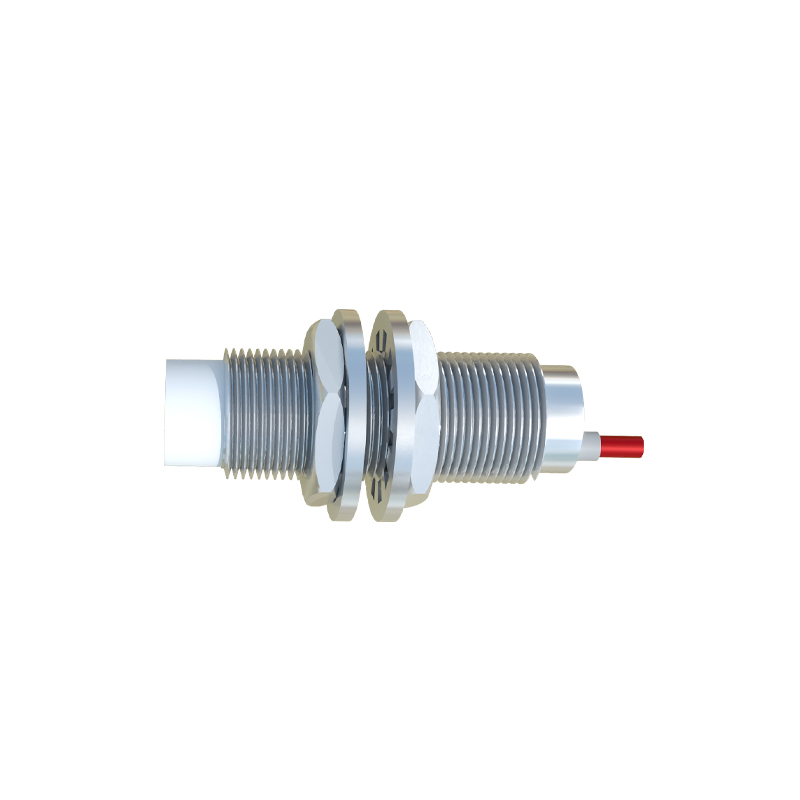
In conclusion, high-temperature proximity sensors are not just standard sensors placed in a hot spot. They are the product of meticulous engineering focused on material science, thermal management, and signal integrity. Their performance directly impacts the efficiency, safety, and reliability of industrial processes operating at the thermal frontier. By understanding their key performance parameters, technological limitations, and application-specific demands, engineers can make informed selections that ensure seamless and resilient operation in the most challenging thermal environments.