In the seamless operation of countless devices we interact with daily, from smartphones to industrial robots, a silent and often unnoticed component plays a critical role: the proximity sensor. These electronic workhorses detect the presence or absence of nearby objects without any physical contact, enabling smarter, safer, and more efficient interactions between machines and their environment. Their principle of operation is elegantly simple, yet their applications are vast and transformative.
At its core, a proximity sensor emits a field or a beam of electromagnetic radiation, such as infrared light, ultrasonic sound waves, or an electromagnetic field. It then looks for changes in the return signal or the field itself. When an object enters this predefined detection zone, it causes a detectable alteration—reflecting light back, interrupting a magnetic field, or changing capacitance. The sensor's circuitry interprets this change and triggers an output signal, typically a switch that can turn something on or off, or send data to a controller.
Several key technologies dominate the proximity sensing landscape, each with its own strengths. Inductive sensors are the stalwarts of industrial automation. They generate an oscillating electromagnetic field and detect the eddy currents induced in metallic targets. Rugged, reliable, and unaffected by dirt or oil, they are perfect for counting metal parts on a conveyor or ensuring a robotic arm is in position. Capacitive sensors operate on a different principle, detecting changes in capacitance caused by any material, be it metal, plastic, wood, or liquid. This makes them ideal for level detection in tanks or sensing non-metallic objects.
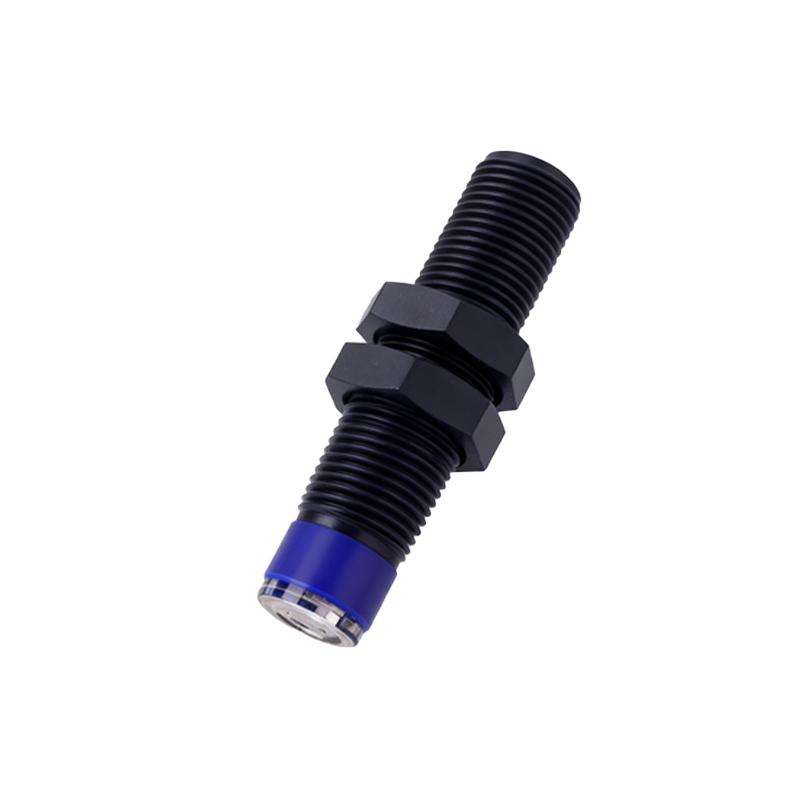
For applications requiring precise distance measurement or detection of non-metallic objects, optical and ultrasonic sensors come to the fore. Optical sensors, often using infrared LEDs and phototransistors, can be configured in through-beam, retro-reflective, or diffuse reflection modes. They are common in object counting, sorting, and as safety curtains. Ultrasonic sensors calculate distance by measuring the time-of-flight of high-frequency sound waves. They excel in challenging environments with dust, smoke, or varying light conditions, used in parking assist systems and tank level monitoring.
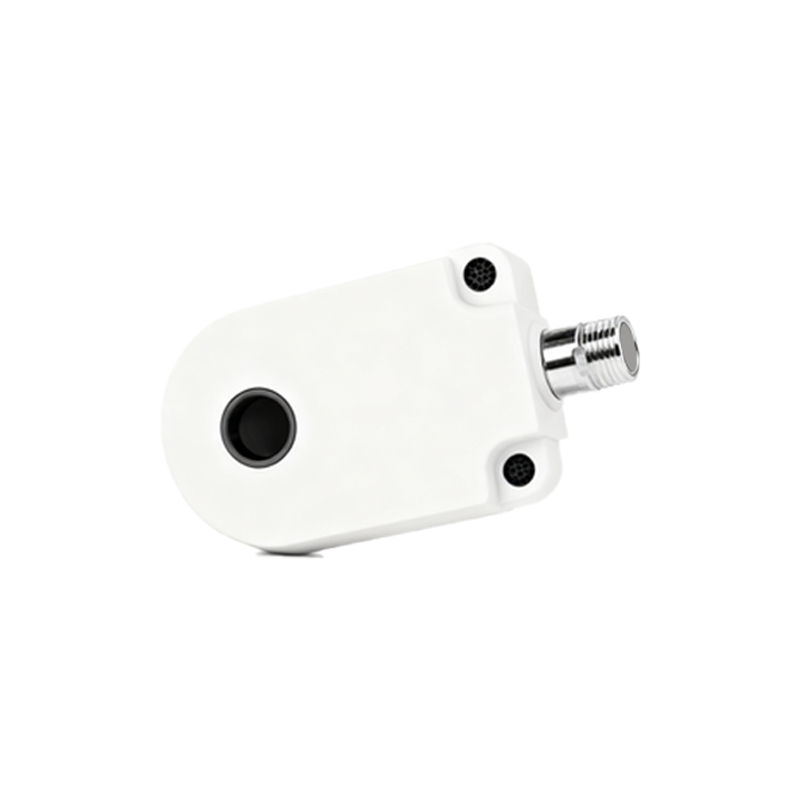
The impact of these tiny components is monumental. In consumer electronics, the proximity sensor in your phone deactivates the touchscreen during a call to prevent accidental cheek-presses, conserving battery. In automotive systems, they are integral to parking assistance, blind-spot detection, and automatic trunk opening. In manufacturing, they enable precise positioning, prevent collisions in automated guided vehicles (AGVs), and ensure worker safety by creating invisible barriers around hazardous machinery. Even in home appliances, they add convenience, like in touchless faucets or automatic soap dispensers.
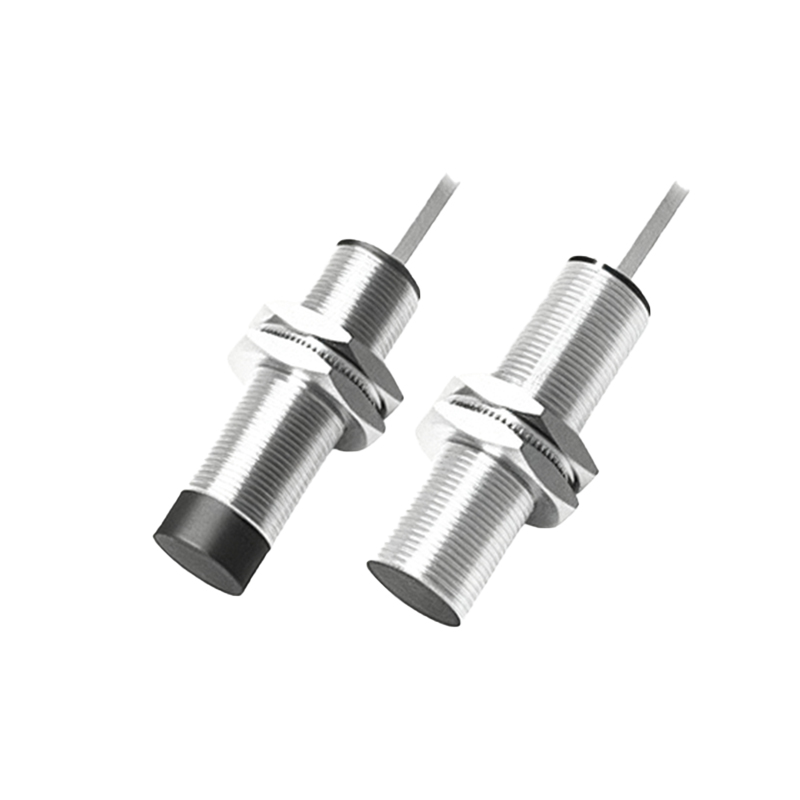
Selecting the right proximity sensor requires careful consideration of several factors. The nature of the target material is paramount—is it metal, plastic, or liquid? The required sensing distance, environmental conditions (temperature, presence of contaminants), response speed, and output type (digital on/off or analog distance data) all guide the choice. Understanding these parameters ensures reliable performance in the intended application.
Looking ahead, the evolution of proximity sensing is intertwined with the growth of the Internet of Things (IoT) and Industry 4.0. Sensors are becoming smarter, smaller, and more integrated, capable of communicating rich data to central systems for predictive maintenance and process optimization. Newer technologies like time-of-flight (ToF) sensors are enabling advanced gesture recognition and 3D mapping. As machines become more autonomous and interactive, the demand for robust, accurate, and versatile proximity sensing will only intensify.
From the factory floor to the palm of your hand, proximity sensors act as the fundamental sensory organs for modern technology. They provide the essential awareness that allows devices to react intelligently to their surroundings, driving automation, enhancing safety, and creating seamless user experiences. Their silent vigilance is a cornerstone of our increasingly automated world.